UAPA case| Delhi High Court grants bail to Sharjeel Imam
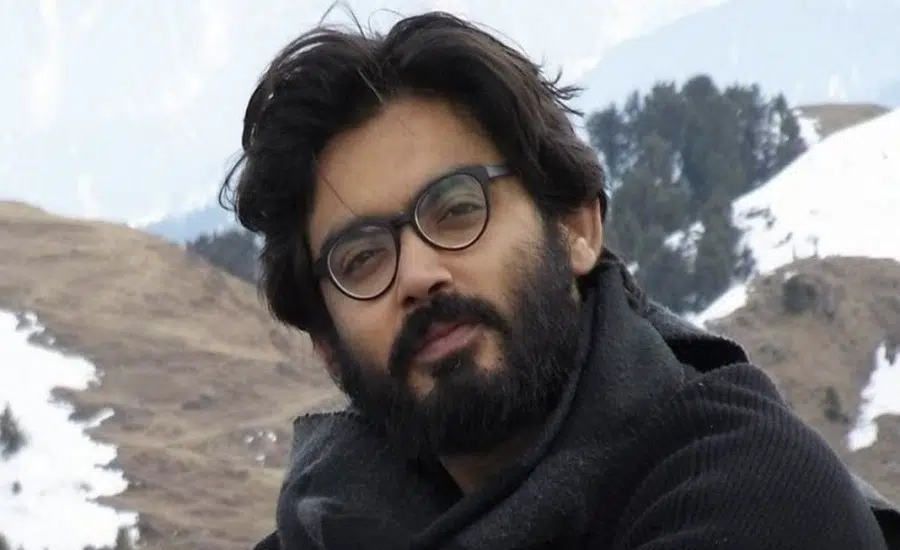
The High Court of Delhi on Monday allowed activist Sharjeel Imam to be released under the statutory bail in sedition and Unlawful Activities Prevention Act (UAPA) case vide sections 124A Ponzi and 153A IPC and sections 13 and 16 of the UAPA for allegedly instigating speeches made by him in Jamia Nagar New Delhi and Aligarh Muslim University.
The judicious arguments were made by a Division Bench of Justices Suresh Kumar Kait and Manoj Jain while passing the order on the circumstance that he has undergone half of the sentence for the invoked offences.
Imam will, however, continue to remain in jail since he is also an accused in the larger conspiracy case of Delhi riots of 2020.
Imam filed an appeal at the High Court in his bid to reclaim his bails after the trial court rejected his bails in the sedition case.
This relates to the speeches of Imam at AMU and Jamia area that incited protesters to come out against CAA and NRC.
He’s been arrested in the case on the 28th of January, 2020.
Imam at this time stated that his detention was unjust since he had spent 4 years in jail contradicting the legal provision which provides that he be released on statutory bail after serving a maximum of 7 years in jail.
He pointed out that the law of sedition has been out of operation as the Supreme Court of India keeps on suspending it and the provisions of UAPA invoked against him has the maximum imprisonment of seven years.
Thus while denying bail to Imam on February 17 in an order, the trial court had set out the circumstances on which the discretion to grant the bail has to be exercised: While the speeches and other activities by Imam did not contain any appeal to people to pick up weapons or kill people , it anvil mobilise the public which may well have been the main reason for the events leading up to the riots in Delhi.
Imam’s speeches were so appealing that it generated the desired emotion of the community those he wants to address and compel them to participate in an unlawful assembly leading to riots, Additional Sessions Judge Sameer Bajpai of Karkardooma court stated in his order.
Imam through his activities led to the establishment of a number of protesting camps all over Delhi with protesters who had started occupying the area around the main roads which in effect paralyzed the whole city as noted by the Supreme Court.
‘Finally, following the speeches and the alleged activities of the applicant, on different dates and places, the riots taken place and resulted in violence; vandalizing of most of the public property; and the death of many innocent people,’ the judge summarized.