Tragic Clashes in Haldwani: Demolition Drive Sparks Violence
Table of Contents
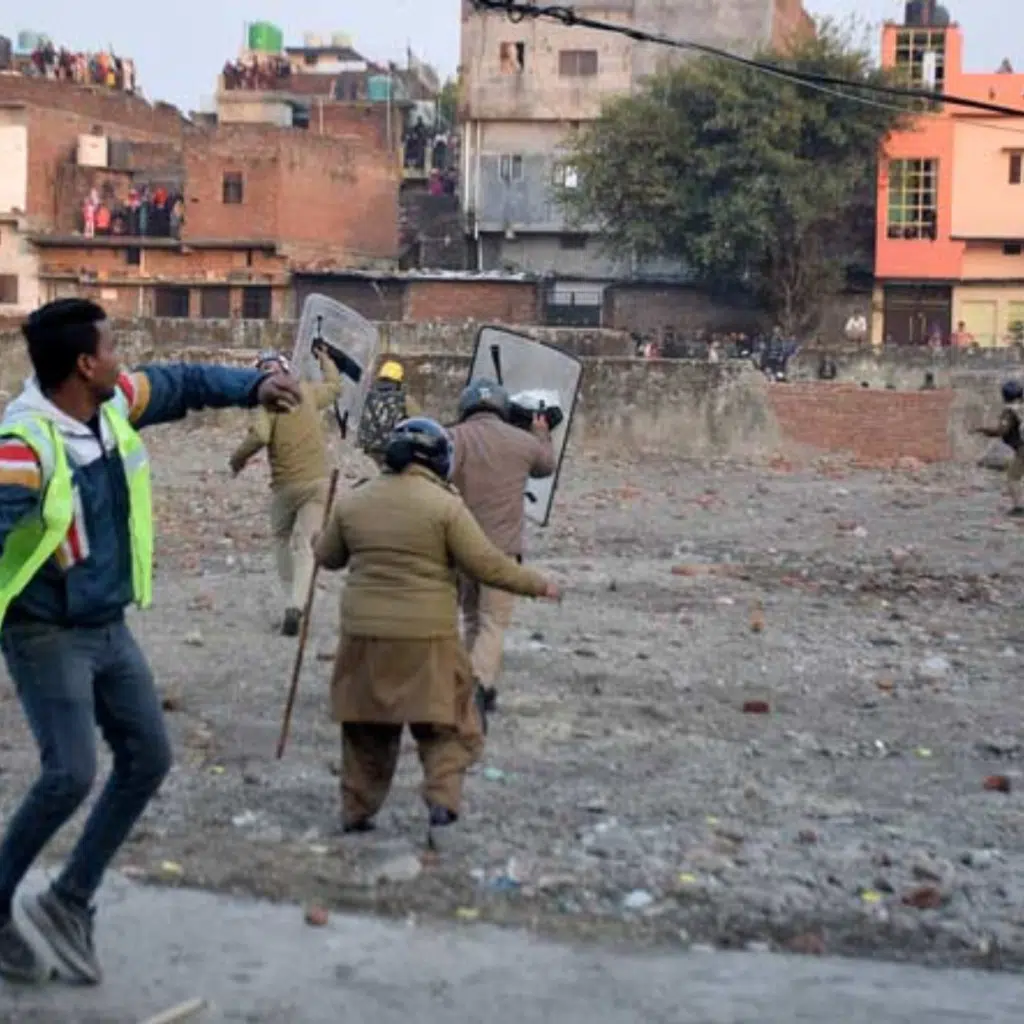
In a shocking turn of events, Haldwani, a city in India’s Uttarakhand state, became the epicenter of violent protests against the government’s demolition campaign aimed at clearing alleged illegal encroachments. The unrest, which escalated rapidly, resulted in the unfortunate loss of four lives and left over a hundred police personnel injured. The situation spiraled out of control when protesters, opposing the demolition drive, clashed with security forces, leading to a series of tragic incidents that have since cast a shadow over the region’s peace and harmony.
The protests turned violent when agitators, in a defiant stand against the government’s actions, attacked a local police station, resulting in numerous injuries among the police force. In response to the escalating violence, local authorities issued a controversial “shoot at sight” order, a drastic measure granting security personnel the authority to use lethal force against perceived threats without prior warning. This order, seldom issued and indicative of extreme circumstances, led to the deaths of four individuals, intensifying the turmoil and raising serious questions about the proportionality of the government’s response.
Amidst the chaos, District Magistrate Vandana Singh vehemently denied allegations that the demolition drive specifically targeted Muslim structures, a claim that had fueled part of the protests. Singh clarified that the structures in question were not officially recognized as religious sites, including one purported to be an Islamic religious school or Madrassa, further complicating the narrative surrounding the government’s actions.
The violence and subsequent imposition of a curfew, along with the suspension of internet services and the closure of educational institutions, have plunged Haldwani into a state of unprecedented unrest. The local administration’s measures to curb the violence have been met with both support and criticism, reflecting the complex dynamics at play in a region known for its diverse cultural fabric.
Former Chief Minister and opposition leader expressed deep concern over the situation, emphasizing Haldwani’s historical legacy of peace and communal harmony. The call for restraint and dialogue underscores the urgent need for a resolution that respects the rights and aspirations of all community members, ensuring that the rule of law is upheld without compromising the principles of justice and equity.
The backdrop to this unrest is the recent passage of the Uniform Civil Code (UCC) bill by the Uttarakhand State Assembly, a legislative move that has ignited widespread debate. The UCC seeks to standardize personal laws across different religious communities, touching upon sensitive issues such as marriage, divorce, inheritance, and adoption. Critics argue that the bill undermines minority rights and imposes a homogeneous legal framework that disproportionately reflects Hindu personal laws, raising concerns about the erasure of cultural and religious diversity.
As Haldwani grapples with the aftermath of these violent clashes, the need for a balanced and empathetic approach to governance has never been more apparent. The path to healing and reconciliation will require a concerted effort from all stakeholders to engage in meaningful dialogue, address grievances, and forge a future that honors the diverse tapestry of traditions and beliefs that define the region.
FAQ:
- What triggered the violent protests in Haldwani, Uttarakhand?
- What was the government’s response to the escalating violence?
- Were any specific communities targeted in the demolition drive?
- How has the local administration responded to allegations of bias?
- What is the Uniform Civil Code, and why is it controversial?
Barelaw, an online platform dedicated to delivering comprehensive legal knowledge, proudly presents its exclusive category of case briefs. This section is meticulously crafted to offer insightful analyses of landmark judgments, providing a valuable resource for legal professionals, students, and anyone interested in understanding the intricacies of law. Our case briefs delve deep into pivotal court decisions, exploring the rationale behind each judgment and its impact on the legal landscape.
We understand that navigating the complexities of legal judgments can be challenging. That’s why our case briefs are designed to be both informative and accessible, ensuring that readers gain a clear understanding of the key legal principles involved. Each brief includes a summary of the facts, the legal issue at hand, the court’s reasoning, and the ultimate decision. This structured approach makes it easier for our audience to grasp the nuances of each case.
Our website is a treasure trove of legal wisdom, constantly updated with the latest and most significant cases. Whether you’re a law student seeking to enhance your knowledge, a practicing attorney looking for a quick reference, or simply a curious mind eager to understand the law’s evolution, Barelaw is your go-to destination.
Explore our case briefs and immerse yourself in the world of law. Visit our website now and discover the wealth of legal knowledge at your fingertips. The link is provided below for your convenience and direct access to our expansive legal database
You can access more legal drafts here – https://www.barelaw.in/legal-drafts/