The Silent Suffering by Taliban: Afghanistan’s Women in Despair
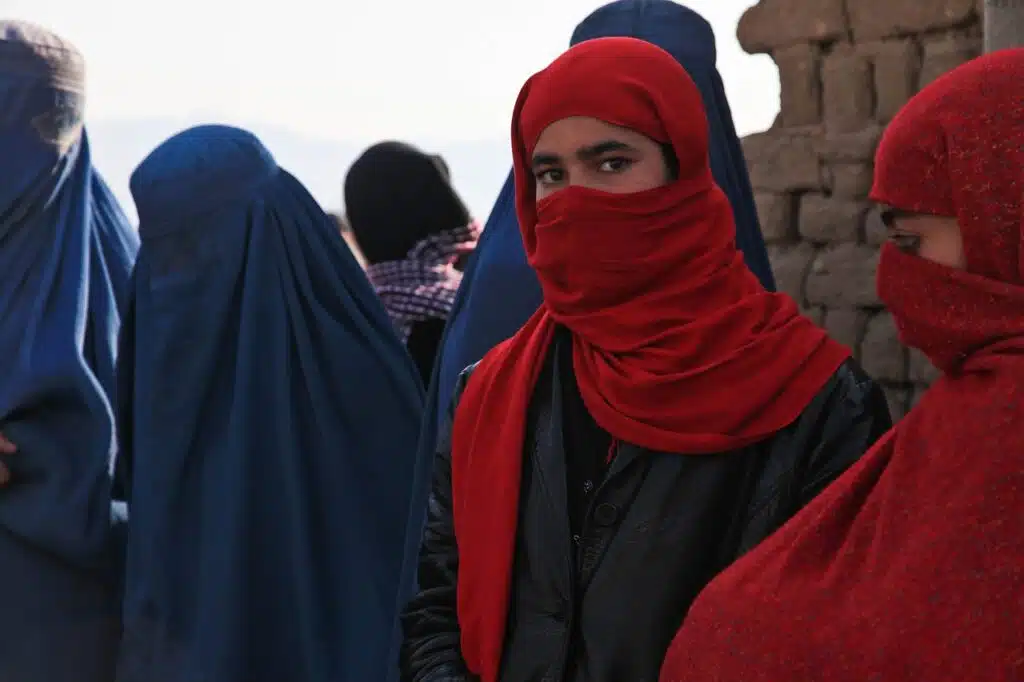
In recent times, the plight of Afghan women has been a topic of great concern on the global stage. The Taliban’s oppressive rule, characterized by confining women to their homes, has precipitated a mental health crisis. This article delves into the lives of these women, exploring the depths of despair they face, often viewing suicide as their only escape.
The Taliban’s misguided belief that confining women protects them has catastrophically backfired. This seclusion has not only stripped them of their freedom and dignity but has also fanned the flames of domestic violence. The escalating violence within homes, often unseen and unreported, is a silent epidemic, driving countless Afghan women towards abject despair.
Dr. Jennifer Prince, the Suicide Prevention Program Manager of the US Army Reserve’s 416th Theater Engineer Command, has been pioneering an initiative through the online school, Freedom to Learn. This program focuses on empowering Afghan women and girls, equipping them with the skills to support each other in these trying times. The program’s intent is not just educational but deeply humanitarian, aiming to avert the rising tide of suicide attempts among these women.
Fariba’s story is a heart-wrenching example of this crisis. Once a government official, she lost her job due to the Taliban’s resurgence and their imposition of a work ban on women. Her unemployment gave her brother unchecked authority, leading to daily oppression and abuse. Fariba’s attempt to end her life is a distressing testament to the dire circumstances Afghan women are facing.
These stories are, unfortunately, not unique. The Taliban’s dismantling of human rights organizations has left these women without support, making their voices unheard and their suffering invisible. The international community’s inaction and oversight of these atrocities are glaring. The narrative often focuses on unemployment, but the real issue extends beyond job loss. It’s about the loss of identity, freedom, and the basic right to live without fear.
The situation under Taliban rule is akin to a slow genocide. Women and girls are trapped in a cycle of abuse and despair, with their homes turning into prisons. This situation is exacerbated by the Taliban’s censorship, which obscures the true extent of these atrocities.
This situation demands urgent international intervention. It’s a call to action for global leaders and influencers to address this gender persecution and apartheid. The mental health crisis among these women and girls needs immediate attention, as the specter of suicide presents a chilling reality of their daily struggles.
The international community must not turn a blind eye to this crisis. It is imperative to support initiatives like Freedom to Learn and advocate for the rights of Afghan women. Their lives are not just statistics; they are a testament to the resilience and strength of the human spirit, striving against insurmountable odds for a semblance of dignity and freedom.
This article is a wake-up call. It’s time to stand in solidarity with Afghan women, to amplify their voices, and to fight for their rights. Their suffering must not be in vain, and their cries for help must not go unheard.