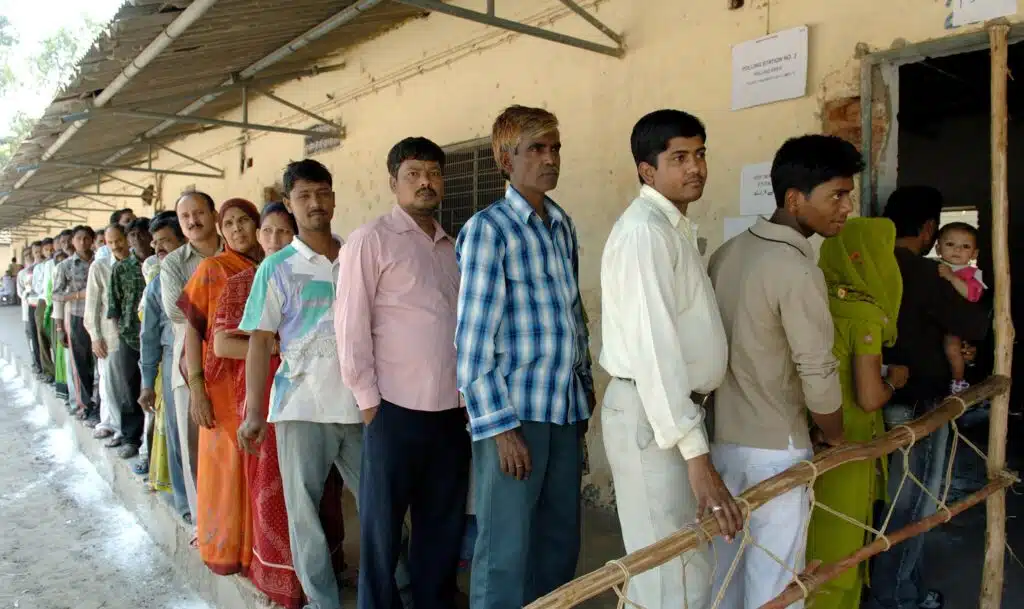
The Indian President Droupadi Murmu recently assented to the Chief Election Commissioner and Other Election Commissioners (Appointment, Conditions of Service and Term of Office) Bill, 2023. This bill, replacing the 1991 Election Commission Act, outlines new procedures for the appointment, service conditions, and tenure of the Chief Election Commissioner (CEC) and Election Commissioners (ECs). While intended to streamline the process, the bill has raised concerns about potential government dominance in appointments, potentially risking the Election Commission’s independence.
Introduction:
The recent enactment of the Chief Election Commissioner and Other Election Commissioners (Appointment, Conditions of Service and Term of Office) Bill, 2023, signifies a significant shift in how India’s electoral overseers are appointed and managed. This article analyzes the bill’s provisions, implications for electoral independence, and the resultant public discourse.
Background and Provisions of the Bill:
The bill, passed in the Indian Parliament in December 2023, mandates a new selection process for the CEC and ECs. A selection committee, including the Prime Minister, a Union Cabinet Minister, and the Leader of the Opposition or largest opposition party leader in Lok Sabha, recommends appointees. A search committee, headed by the Cabinet Secretary, proposes candidates with experience equivalent to a central government secretary. The bill also aligns the salaries and service conditions of the CEC and ECs with those of the Cabinet Secretary, deviating from the previous standard tied to a Supreme Court judge’s salary.
Key Concerns and Criticisms:
Critics argue that the bill could lead to government dominance in the Election Commission’s selection process, thereby compromising its independence. Concerns have been raised about the acceptance of the selection committee’s recommendations during vacancies, the potential influence of aligning CEC and ECs’ salaries with the Cabinet Secretary, and the limitation of appointing only senior bureaucrats.
Impact on Electoral Independence:
The Election Commission of India, a pivotal independent constitutional body, has the critical responsibility of overseeing elections across the country. The independence and impartiality of this body have been a cornerstone of Indian democracy. However, recent developments, including the enactment of this bill, have led to questions about the potential erosion of the Commission’s autonomy and its ability to conduct free and fair elections.
Conclusion:
The Chief Election Commissioner and Other Election Commissioners Bill, 2023, represents a significant alteration in the framework governing India’s electoral oversight. While intended to provide clarity and structure to the appointment process, the bill’s potential implications on the independence of the Election Commission warrant close scrutiny and ongoing dialogue.