Table of Contents
The Committee to Protect Journalists Urges the Government to Act After the Incidents of Assault on Journalists in India in the Time of Elections.
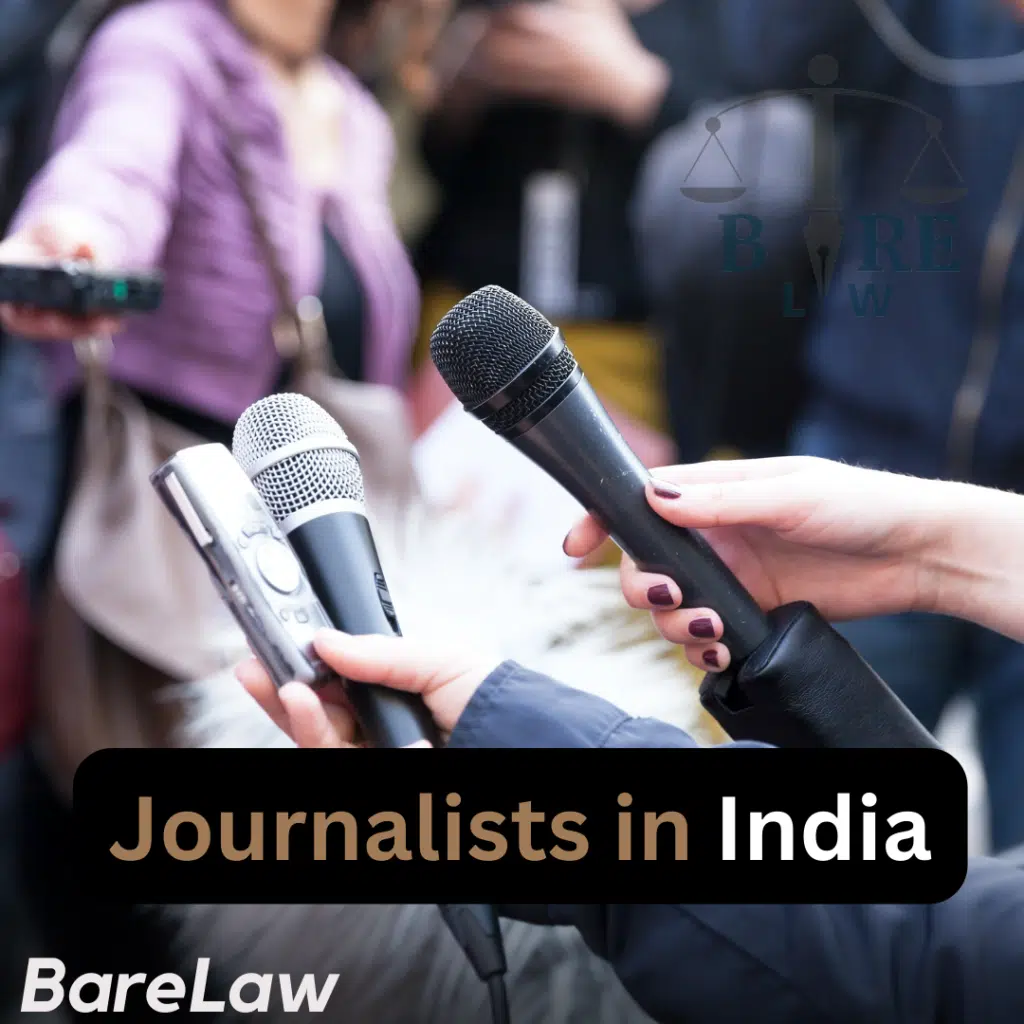
The Committee to Protect Journalists (CPJ), a New York-based independent organization that is in favor of press freedom on a global scale, has given a strong rejection of the recent attacks on journalists in India that took place during the general elections. This identification of the great dangers that journalists are exposed to in the region aims at the concentration of the attention of the local authorities and the prompt reaction to them.
On Monday, the CPJ has stated two grave incidents in Uttar Pradesh, one of India’s biggest states, which are the signs of the growing threats to the media personnel. The author Ashutosh Srivastava, a journalist and a member of the Bharatiya Janata Party (BJP), was shot dead by a bullet while riding his motorcycle on May 13. His killing came after his reports on the sensitive subjects like illegal cow slaughter, which has been the issue that has caused the region to be divided.
The second incident was the case of journalist Raghav Trivedi, who got assaulted during a political rally on May 12 just after he asked about the political payment to the rally attendees. The Trivedi’s attack, which was seen by many people and the law enforcement, who did not react, resulted in him being humiliated and injured in public after he was called a ‘mullah’ and ‘attanki’ (terrorist), thus showing the communal and political nature of the situation that the journalists have to deal with.
The representative of the CPJ in India, Kunāl Majumder, insisted on the pressing need for the authorities to make sure that the journalists can cover the elections with no fear of violence or intimidation. The CPJ’s demand for justice is not only about apprehending the culprits but also about the protection of the freedom of the press and the basic rights of the people to report freely and without the fear of consequences.
The background of these attacks is the reason why these attacks are frightening given the general state of press freedom in India. In 2024, the 159th position of India in the Press Freedom Index, which is published by Reporters Without Borders (RSF), indicates that India still faces a lot of problems such as the violence against journalists, the concentration of the media ownership, and the political environment which is not supportive of the independent reporting. This kind of environment is not only a threat to journalists but also it is the core of the democratic process which is not supported by a free access of information.
Besides the physical dangers, Indian journalists are threatened by the law and the society, thus they limit themselves or they could not report at all on the most important issues. The government’s support and, at some instances, its direct contacts with the media have also created the situation where critical voices are usually ignored or even muted, thus, worsening the problems of the press.
The CPJ and other global watchdogs have again and again urged the Indian authorities to do the investigation and the decision in a decisive and transparent manner in order to solve the cases of these incidents. The effectiveness of such measures is of the greatest importance not only for the safety of a single journalist but also for the comprehensive democracy in India. The main aim is to achieve the accountability of the journalists and the creation of a safe environment for them and thus the publics trust will be maintained in democratic institutions and processes.
Conclusion
To sum up, the latest attacks on reporters in Uttar Pradesh during the national elections are a turning point for press freedom in India. Looking at how India is handling its intricate social and political issues, the safety of journalists and the protection of the freedom of the press are the most important things to be considered. The CPJ’s described as the warnings and appeals and calls for the actions that are needed to make sure that journalists can do their jobs without any fear. It is crucial for the Indian government to react with measures that point out its dedication to democratic values, such as the protection of the press freedom.