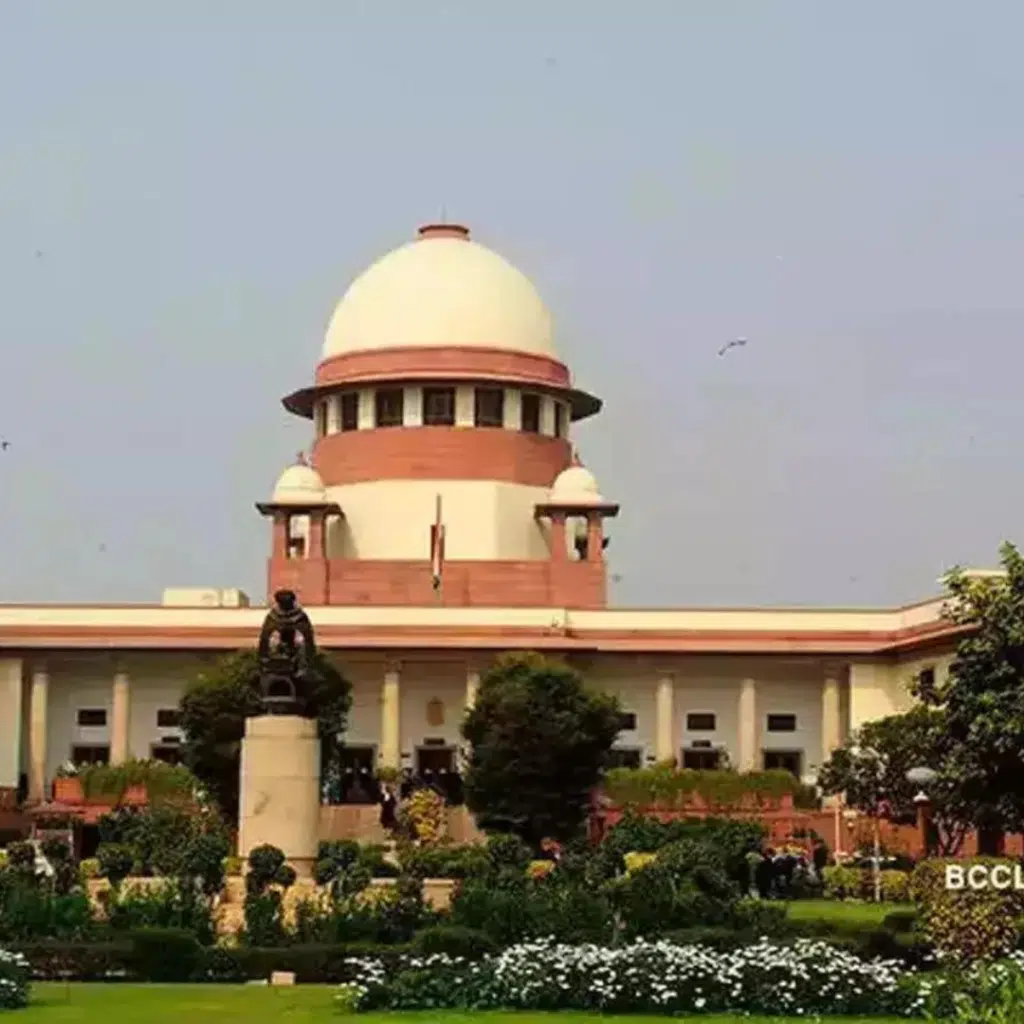
Supreme Court Stresses Importance of Timely Submission of Caste Validity Certificates for Reserved Category Panchayat Members in Maharashtra
Table of Contents
In a landmark decision, the Indian Supreme Court stressed that in order to prevent automatic disqualification, individuals elected to Maharashtra’s panchayat positions from reserved categories must provide their caste validity certificates within a certain amount of time. A bench made up of Justices Vikram Nath and KV Viswanathan rendered the decision in the case of Sudhir Vilas Kalel and ors vs. Bapu Rajaram Kalel and ors, emphasising the necessity of compliance required by Section 10-1A of the Maharashtra Village Panchayats Act, 1959.
The Court explained that candidates for reserved seats need to have a validity certificate and a caste certificate when they submit their nominations. The purpose of this provision is to emphasise that the legislature wants to make sure that only candidates who are truly eligible can benefit from reservations. The supreme court highlighted the dangers of candidates delaying applying for their caste validity certificates till the nomination filing stage and emphasised the importance of applying with care to the Scrutiny Committee.
In the matter at hand, an appellant had run for and been elected to the 2020 Gramme Panchayat elections for Jambulan village, a seat designated for Other Backward Castes (OBC). The appellant was retroactively removed from the panchayat post even though he had a caste certificate from 2013. This was due to his tardiness in submitting the necessary caste validity certificate.
The Supreme Court’s decision further clarified that a careful application process and correct filing are necessary for the issuance of a caste validity certificate. The appellant’s first application was denied in 2021 because of flaws, and the Court found that his efforts to make things right were insufficient. The appellant failed to notify the Scrutiny Committee of the election results within the required two-week period, which prevented him from being eligible for benefits under the Maharashtra Temporary Extension of Period for Submitting Validity Certificate Act, 2023, the Court further stated.
This decision sends a strong message about the significance of following procedural rules and the repercussions of failing to submit necessary paperwork on time or failing to notice it at all. It draws attention to the judiciary’s responsibility for maintaining the integrity of the reservation system and making sure that the intended recipients of its advantages do so.
In conclusion, the ruling of the Supreme Court should serve as a vital reminder to all candidates running for panchayat seats in Maharashtra who belong to reserved categories about the need of submitting their caste validity certificates on time. This decision emphasises the need for candidates to maintain conformity with the law in order to prevent disqualification, while also reiterating the procedural components of the reservation system.
FAQ:
- What does the Supreme Court’s decision mean for Maharashtra’s reserved category panchayat members?
- Why is it crucial for candidates running for reserved seats to submit a caste validity certificate?
- What were the repercussions for the appellant’s late submission of the caste validity certificate in the referenced case?
- What is the connection between this case and the Maharashtra Temporary Extension of Period for Submitting Validity Certificate Act, 2023?
- What can be learned about adhering to legal standards in elections from the Supreme Court’s ruling?
Barelaw, an online platform dedicated to delivering comprehensive legal knowledge, proudly presents its exclusive category of case briefs. This section is meticulously crafted to offer insightful analyses of landmark judgments, providing a valuable resource for legal professionals, students, and anyone interested in understanding the intricacies of law. Our case briefs delve deep into pivotal court decisions, exploring the rationale behind each judgment and its impact on the legal landscape.
We understand that navigating the complexities of legal judgments can be challenging. That’s why our case briefs are designed to be both informative and accessible, ensuring that readers gain a clear understanding of the key legal principles involved. Each brief includes a summary of the facts, the legal issue at hand, the court’s reasoning, and the ultimate decision. This structured approach makes it easier for our audience to grasp the nuances of each case.
Our website is a treasure trove of legal wisdom, constantly updated with the latest and most significant cases. Whether you’re a law student seeking to enhance your knowledge, a practicing attorney looking for a quick reference, or simply a curious mind eager to understand the law’s evolution, Barelaw is your go-to destination.
Explore our case briefs and immerse yourself in the world of law. Visit our website now and discover the wealth of legal knowledge at your fingertips. The link is provided below for your convenience and direct access to our expansive legal database
You can access more legal drafts here – https://www.barelaw.in/legal-drafts/