
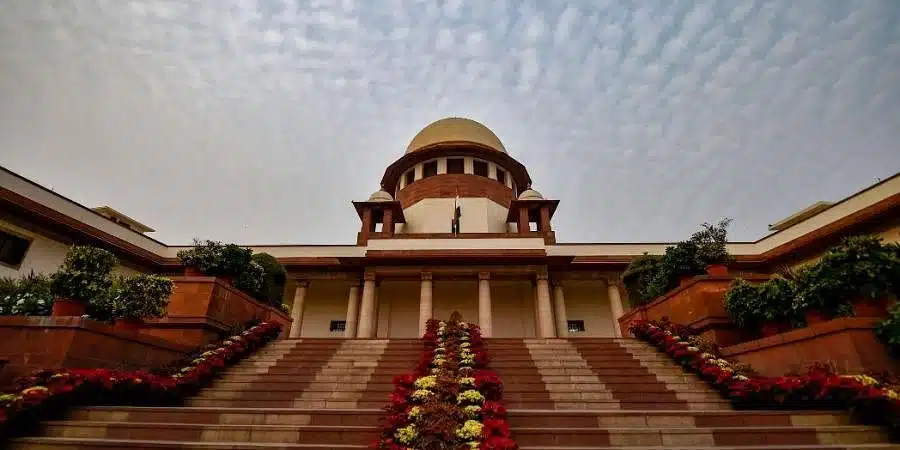
Supreme Court of India Sets Record in Case Disposal for 2023
Date: December 2023
In an extraordinary display of judicial efficiency, the Supreme Court of India has set a new record in 2023 for case disposal, addressing a total of 52,191 cases from January 1 to December 15. This remarkable feat surpasses the total number of cases registered in the same period, which stood at 49,191, indicating a proactive approach towards case management and resolution.
This achievement is the highest since the implementation of the Integrated Case Management Information System (ICMIS) in 2017, bringing the Supreme Court’s disposal rate almost at par with the total number of cases diarised, which was 52,660.
Chief Justice of India DY Chandrachud’s reforms have played a pivotal role in achieving these high disposal rates. Key to these reforms has been the streamlining of the timeframe for listing cases, reducing the delay from 10 days to a mere 5-7 days after verification. This has significantly expedited the process, allowing for more cases to be heard and resolved in a shorter time frame.
Technology has been another cornerstone of the Supreme Court’s strategy. Embracing digital platforms and modern case management systems, the Court has enhanced efficiency and reduced procedural delays. Innovations like e-filing, virtual hearings, and digital record-keeping have been crucial in making the justice system faster and more accessible.
The Court has shown particular diligence in matters involving personal liberty. Cases related to Bail, Habeas Corpus, Eviction, Demolition, and Anticipatory bail have been given priority, often being processed and listed in courts within a day.
A strategic restructuring of the Court’s schedule has also contributed to this success. Mondays and Fridays have been designated as miscellaneous days, Tuesdays for after-notice miscellaneous matters, while Wednesdays and Thursdays are reserved for regular matters. This categorization has streamlined the process, allowing for more focused and efficient handling of cases.
The constitution of specialized benches to handle specific categories of cases has further aided in speedy disposal. For instance, 4,410 service matters, 11,489 criminal matters, and 10,348 civil matters were disposed of in this period. Notably, in a significant move, 392 Insolvency and Bankruptcy Code (IBC) cases were resolved in a single instance, and in another, 700 matters were heard and reserved for judgment. The focus on batch matters has also been effective in clearing the backlog.
This unprecedented rate of disposal by the Supreme Court of India not only sets a new standard for judicial efficiency but also serves as a testament to the potential of strategic reforms and technological integration in the judicial system. The outcomes of 2023 are a hopeful sign for a more responsive and efficient judiciary in the years to come.
- Streamlined Procedures: The time frame for listing cases was reduced from 10 days to 5-7 days, improving efficiency and reducing delays.
- Embracing Technology: E-filing, virtual hearings, and digital record-keeping were actively promoted, enhancing accessibility and expediting processes.
- Prioritizing Personal Liberty: Cases involving bail, habeas corpus, eviction, and other liberty-related matters were processed and listed within a day, upholding fundamental rights.
- Specialized Benches: The court established dedicated benches for specific categories like service matters, criminal matters, and civil matters, leading to more focused and efficient adjudication.
- Batching and Disposing: Identifying and grouping similar cases for disposal in batches facilitated quicker resolution of repetitive matters.
The impact of these measures is evident in the numbers:
- 4410 service matters disposed of.
- 11489 criminal matters disposed of.
- 10348 civil matters disposed of.
- Notably, 392 Insolvency and Bankruptcy Code (IBC) cases were disposed of in a single instance, showcasing the effectiveness of batching.
Chief Justice Chandrachud and the Supreme Court have set a remarkable precedent with this unprecedented case disposal achievement. The use of technology, streamlined procedures, and a focus on critical areas like personal liberty have demonstrably improved the court’s efficiency and accessibility. This paves the way for a more responsive and effective justice system for all citizens of India.
Additional Points to Consider:
- The increased disposal rate could potentially lead to concerns about the quality of judgments. It is crucial to ensure that speed does not compromise the thoroughness and fairness of judicial decisions.
- The success of these reforms should not overshadow the long-standing issue of pendency in lower courts. Streamlining processes and enhancing infrastructure at all levels of the judiciary is essential for a comprehensive solution to the problem of judicial backlog.
Overall, the Supreme Court’s record-breaking case disposal in 2023 is a positive development that deserves recognition and appreciation. It is a testament to the court’s commitment to improving access to justice and reducing pendency. Continued efforts at all levels of the judiciary are necessary to build upon this success and ensure a timely and effective justice system for all.