Supreme Court Emphasizes “Heightened Caution” in Cases of Unethical Transactions
Table of Contents
The Supreme Court of India emphasized in a landmark decision on February 19 that police must proceed with “heightened caution” when filing criminal charges in situations involving unethical transactions, especially in circumstances where civil remedies are not available. This order is a reaction to the growing trend of parties using criminal law to get dishonest benefits when civil law is unable to provide any relief. With its ruling, the supreme court sought to prevent the criminal justice system from being abused for petty grudges or to get around the restrictions of civil jurisprudence.
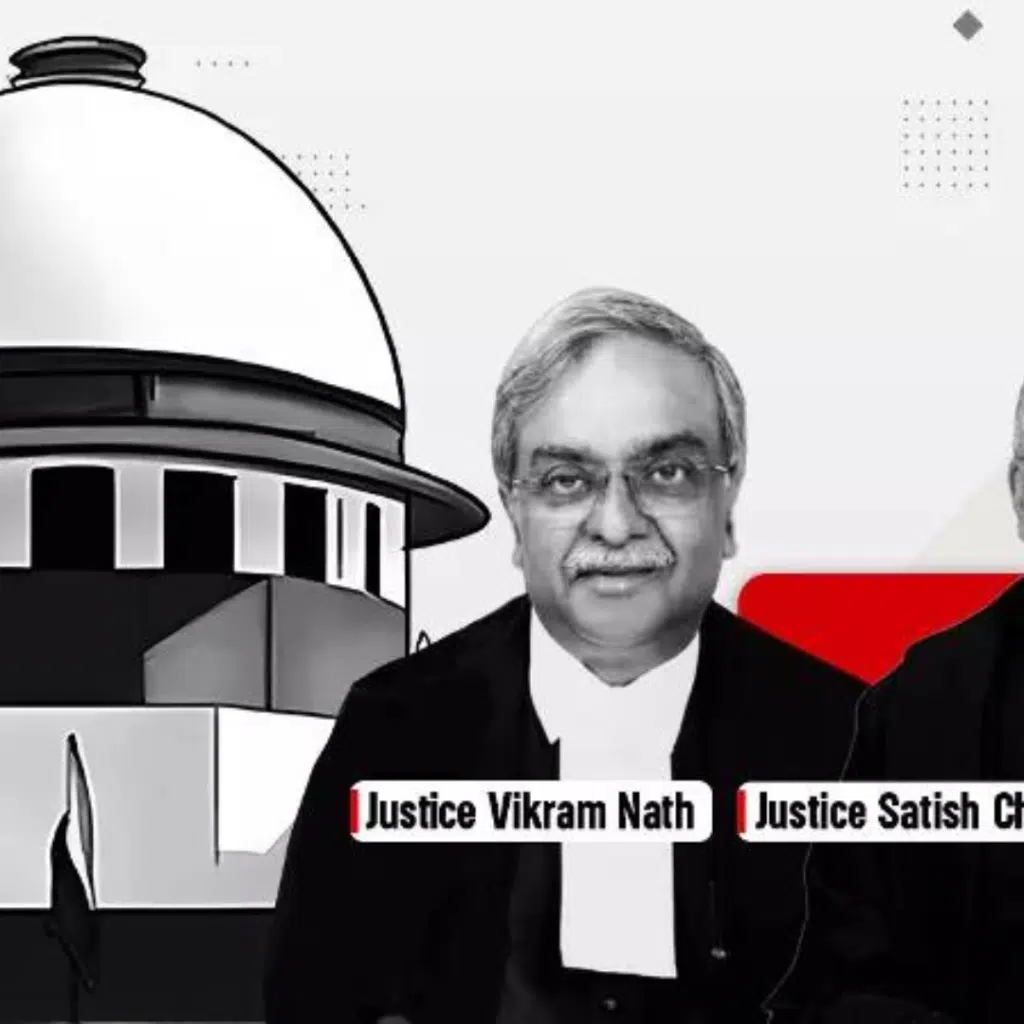
The bench, which was made up of justices, emphasized how crucial it is for the police to carry out a comprehensive preliminary investigation before starting criminal proceedings in these kinds of situations. This is an important step to check the accuracy of the accusations and to see if criminal action is warranted in this disagreement or if it is only a civil problem that is being misrepresented to get an unfair advantage. The court made this statement while overturning a ruling from the High Court that had declined to stop criminal charges against the accused in a case tainted by unethical behavior.
The Supreme Court’s order serves as a reminder of the careful balance that must be struck between the defense of civil rights and the application of the law. It recognizes the possible harm that might result from the unjustified criminalization of civil disputes, which puts an excessive load on the legal system as well as the accused. The court hopes to avoid the abuse of criminal law as a weapon for coercion or harassment by promoting a “heightened caution,” guaranteeing that it stays an instrument for justice and not a weapon for private benefit.
This decision emphasizes how important the police are in the early phases of a lawsuit alleging unethical business practices. To distinguish between crimes that are truly criminal in form and disagreements that are fundamentally civil in nature, it requires a higher standard of examination and assessment. The priority placed by the Supreme Court on a preliminary inquiry is a step in the right direction toward reducing pointless lawsuits and making sure the criminal justice system is used responsibly to maintain the integrity and efficacy of the system.
In summary
the Supreme Court’s historic ruling to maintain the integrity of the criminal justice system is the requirement for “heightened caution” in situations involving unethical dealings. It aims to prevent the exploitation of criminal law to obtain dishonest results in cases when civil remedies are ineligible. In addition to shielding people against baseless criminal accusations, this decision supports the idea that justice must be administered impartially and equitably. It emphasizes the necessity of judicial and law enforcement officials using discretion and moderation in order to protect citizens’ legal rights and preserve the legitimacy of the legal system.
FAQ:
- In light of the Supreme Court’s order, what does “heightened caution” mean?
- “Heightened caution” describes the extra care and attention to detail that law enforcement must provide when assessing the merits of a case involving unethical transactions, particularly in situations where the disagreement may not always come under the jurisdiction of the criminal code.
Why has the Supreme Court placed such emphasis on conducting an initial investigation prior to filing criminal cases? - The Supreme Court highlights the significance of a first investigation to guarantee that criminal law is not abused for personal grudges or to get unfair advantages, particularly in cases when civil action should be utilized to settle the disagreement.
What effects does this decision have on the criminal justice system? - This decision seeks to prevent the criminal court system from being overburdened with cases that are basically civil disputes. It encourages justice system fairness and judicial efficiency.
What effects will this ruling have on those engaged in conflicts involving unethical transactions? - Before criminal proceedings may be started, parties to these conflicts will now have their allegations thoroughly investigated, which may lessen the possibility that the law would be exploited as a tool for undue advantage or harassment.
Barelaw, an online platform dedicated to delivering comprehensive legal knowledge, proudly presents its exclusive category of case briefs. This section is meticulously crafted to offer insightful analyses of landmark judgments, providing a valuable resource for legal professionals, students, and anyone interested in understanding the intricacies of law. Our case briefs delve deep into pivotal court decisions, exploring the rationale behind each judgment and its impact on the legal landscape.
We understand that navigating the complexities of legal judgments can be challenging. That’s why our case briefs are designed to be both informative and accessible, ensuring that readers gain a clear understanding of the key legal principles involved. Each brief includes a summary of the facts, the legal issue at hand, the court’s reasoning, and the ultimate decision. This structured approach makes it easier for our audience to grasp the nuances of each case.
Our website is a treasure trove of legal wisdom, constantly updated with the latest and most significant cases. Whether you’re a law student seeking to enhance your knowledge, a practicing attorney looking for a quick reference, or simply a curious mind eager to understand the law’s evolution, Barelaw is your go-to destination.
Explore our case briefs and immerse yourself in the world of law. Visit our website now and discover the wealth of legal knowledge at your fingertips. The link is provided below for your convenience and direct access to our expansive legal database
You can access more legal drafts here – https://www.barelaw.in/legal-drafts/