
Supreme Court Advocates for Efficient Appeal Process with Digital Trial Records
Table of Contents
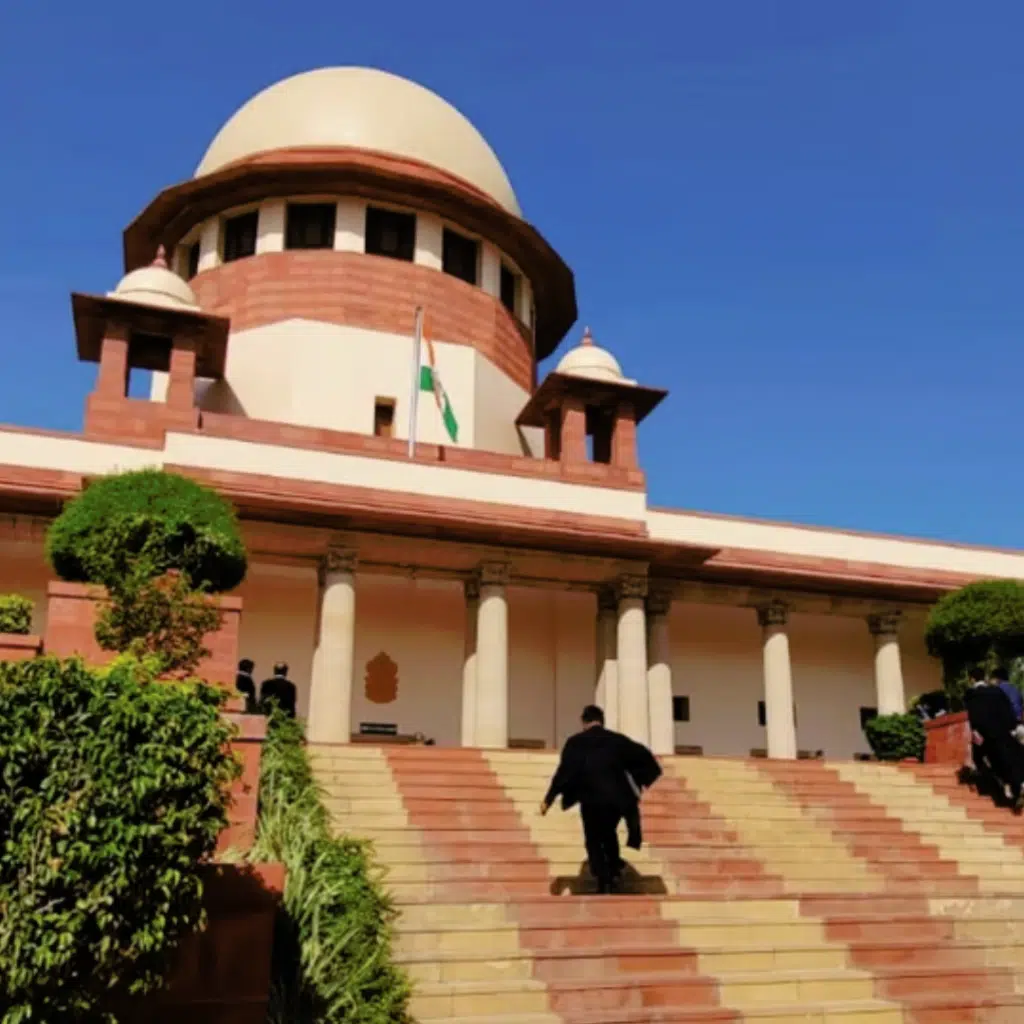
The Supreme Court of India has stressed the significance of digitizing trial court documents for criminal appeals in a major step meant to speed up the legal system. Judges Abhay S. Oka and Ujjal Bhuyan’s bench delivered this order during the hearing of a bail request in the matter of Mijai Molla and ors v. State of West Bengal. The bench emphasized the need for instant access to soft copies of trial court records upon the admission of criminal appeals, noting that the inability to receive these materials in a timely manner has frequently prevented hearings from happening on time.
The justices noted that the current procedure of not requesting digital data unless the court specifically orders them adds needless time to the processing of criminal appeals. In response, they suggested that as soon as leave is granted in an appeal, the Supreme Court registry should aggressively request soft copies of the records from the Trial Court and the High Court. This would guarantee that both parties’ legal representatives had quick access to the required paperwork in addition to streamlining the appeals process.
The Chief Justice of India’s administrative counsel is being sought by the registry in order to institutionalize this approach, since the bench has recognized the seriousness of the matter. It is anticipated that this proactive strategy will greatly shorten hearing wait times and improve the effectiveness of the legal system.
The deliberative observation stems from a case where the court had to adjourn owing to a delay in hearing because trial court records were not available. The bench has stated unequivocally that these delays are undesirable and that implementing digital techniques is an easy way to reduce them.
This program is consistent with the Supreme Court’s overarching goal of using technology to improve the effectiveness of the legal system. The Supreme Court had previously stated in November that it intended to change its regulations to encourage the use of electronic versions of trial court records in criminal appeals, citing the advantages for the environment and quicker access to relevant records.
In addition, the Supreme Court has worked to improve the language it uses. It has directed its Registry not to call trial courts “lower courts,” a move that reflects a shift in the legal community toward more accurate and polite language.
To sum up, the direction issued by the Supreme Court to digitize trial court documents for criminal appeals represents a significant advancement in the modernization of India’s legal system. The court hopes to minimize delays and improve the effectiveness of criminal appeals by providing quick access to pertinent information, thereby preserving the values of justice and equity.
FAQs:
- Why did the Supreme Court emphasize that trial court records should be available in soft copy?
- What effects will the digitalization of trial court records have on the legal system?
- What particular instance did the Supreme Court rule in favor of this directive?
- How will the Supreme Court carry out this modification?
- What are the advantages for the environment of switching to electronic trial court record copies?
Barelaw, an online platform dedicated to delivering comprehensive legal knowledge, proudly presents its exclusive category of case briefs. This section is meticulously crafted to offer insightful analyses of landmark judgments, providing a valuable resource for legal professionals, students, and anyone interested in understanding the intricacies of law. Our case briefs delve deep into pivotal court decisions, exploring the rationale behind each judgment and its impact on the legal landscape.
We understand that navigating the complexities of legal judgments can be challenging. That’s why our case briefs are designed to be both informative and accessible, ensuring that readers gain a clear understanding of the key legal principles involved. Each brief includes a summary of the facts, the legal issue at hand, the court’s reasoning, and the ultimate decision. This structured approach makes it easier for our audience to grasp the nuances of each case.
Our website is a treasure trove of legal wisdom, constantly updated with the latest and most significant cases. Whether you’re a law student seeking to enhance your knowledge, a practicing attorney looking for a quick reference, or simply a curious mind eager to understand the law’s evolution, Barelaw is your go-to destination.
Explore our case briefs and immerse yourself in the world of law. Visit our website now and discover the wealth of legal knowledge at your fingertips. The link is provided below for your convenience and direct access to our expansive legal database
You can access more legal drafts here – https://www.barelaw.in/legal-drafts/