Russia Sees Record Spike in Treason Cases Amid War in Ukraine
Moscow, December 24, 2023 – Russian authorities have opened a record 70 cases of state treason or confidential cooperation with foreign entities in 2023, highlighting a chilling atmosphere of repression towards dissenters and suspected opponents of the war in Ukraine.
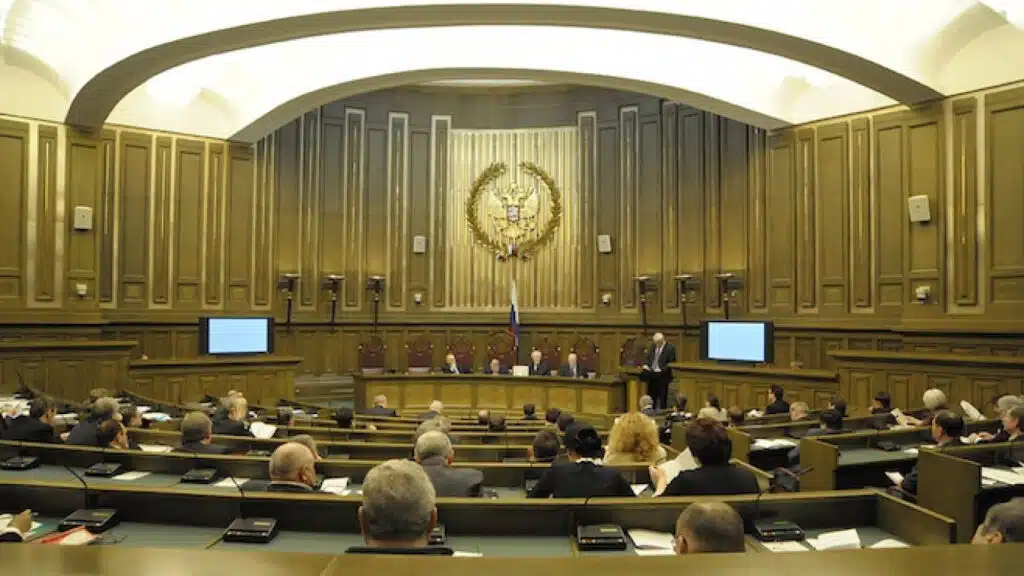
This alarming statistic, revealed by the human rights group Perviy Otdel, marks a dramatic increase from previous years. Courts found defendants guilty in 37 of these cases, also a historical high, with some prosecutions concluding within a month. Many cases were instigated by the Federal Security Service (FSB), often through online sting operations targeting individuals expressing anti-war sentiment, support for Ukraine, or even mere intentions to travel to the war-torn country.
Article 275 of the Russian Criminal Code defines state treason broadly, encompassing actions like espionage, providing state secrets, assisting foreign entities against Russia’s security, or even defecting from the military. Penalties for such offenses range from 12 to 20 years in prison, with life imprisonment introduced as a new option in 2023.
While similar laws exist in other countries like the US, experts point to the broader language and fewer safeguards in Russian law as factors contributing to the surge in convictions. The US definition of treason under Article 3 of the Constitution is narrower, requiring overt acts and testimonies from two witnesses, offering better protection for the accused.
Many defendants in these cases remain unidentified, though high-profile individuals like opposition activist Vladimir Kara-Murza (sentenced to 25 years), former US consulate employee Robert Shonov, and cybersecurity executive Ilya Sachkov are among those publicly facing charges. Others include former military personnel and academics.
Perviy Otdel warns that the high number of treason cases raises concerns about due process and potential political motivations behind the prosecutions. The organization urges an independent investigation into these cases and the implementation of stronger legal safeguards for defendants.
This alarming trend highlights the shrinking space for dissent and open discussion in Russia amid the ongoing war in Ukraine. It raises concerns about the country’s commitment to human rights and the potential for further crackdowns on those deemed unsupportive of the government’s policies.