Introduction
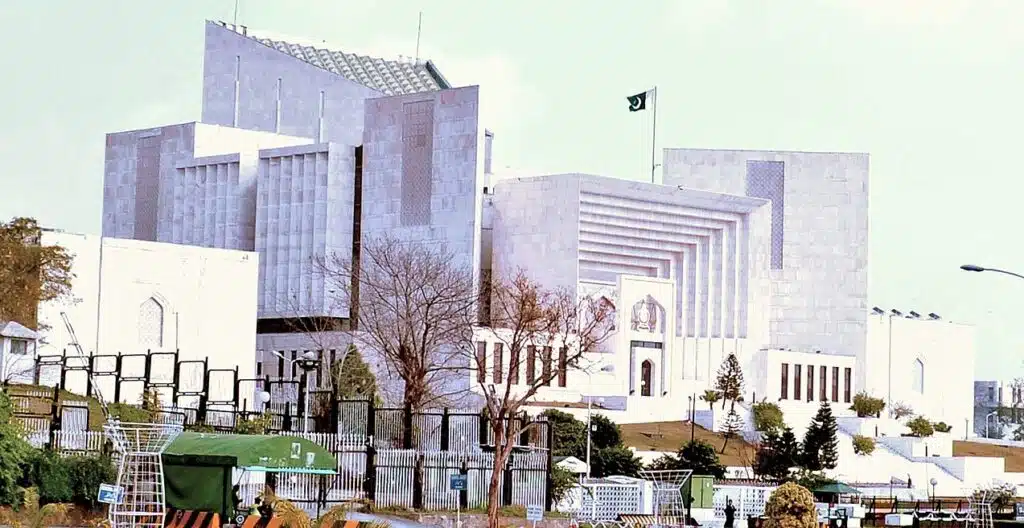
In a landmark decision, Pakistan’s Supreme Court recently held a hearing on a petition aimed at halting the country’s ongoing removal of Afghan refugees. This significant move, propelled by human rights activists, lawyers, and politicians, underscores the escalating tension and humanitarian concerns surrounding the fate of approximately 4.4 million Afghans residing in Pakistan.
Background of the Crisis
The Pakistani government’s decision on October 3 to deport undocumented Afghan migrants back to their homeland sparked widespread criticism. This was followed by a November 1 deadline, post which authorities began detaining undocumented Afghans. The situation rapidly deteriorated, drawing attention from various human rights organizations globally. They urged the Pakistani government to cease the detention, deportation, and mistreatment of Afghan refugees.
The Petition and Supreme Court’s Response
In response to these deportations, a group of concerned signatories filed a petition in the Supreme Court. The petition argued that the government’s decision breached the fundamental rights of Afghan refugees and stood in violation of Pakistan’s constitutional law. During the first hearing on this matter, the court requested a response from the government, the Apex Committee, and the Ministry of Foreign Affairs, adjourning the hearing until the following week.
International Law and Pakistan’s Obligations
Justice Ayesha Malik highlighted Pakistan’s commitment to the UN conventions on the protection of refugees’ rights. This brings into focus the principle of non-refoulement, a cornerstone of the 1951 Refugee Convention, which Pakistan is obliged to adhere to as a signatory. UN rights spokesperson Ravina Shamdasani had earlier warned against the deportation plan, labeling it a blatant violation of international law and the Convention against Torture.
Global Concerns and Actions
The UN Refugee Agency expressed its concerns over the dire consequences of Pakistan’s decision, reporting a substantial number of Afghans returning to their country under duress. Amnesty International has also condemned Pakistan’s arbitrary arrests and detention of Afghan refugees, urging the government to cease such actions, which many believe stem from fears of persecution by the Taliban.
Conclusion
The Supreme Court’s hearing marks a crucial juncture in Pakistan’s handling of the Afghan refugee crisis. It not only challenges the nation’s adherence to international refugee laws but also tests the strength of its commitment to human rights. The outcome of this legal battle could set a precedent for how refugee crises are managed globally, emphasizing the need for compassion, legality, and international cooperation in these challenging times.