From December 1, 2024, India will implement significant regulatory changes across telecom, tourism, and banking sectors, including measures to combat fake OTPs, increased departure fees in the Maldives, revised LPG cylinder prices, and changes to credit card reward programs and lounge access rules. These updates aim to enhance security and governance but also present challenges for both consumers and businesses.
Table of Contents
Never Share OTP – Bank Fraud to Murder
From December 1, 2024, onwards, India will roll out a series of regulatory changes in sectors such as telecom, tourism, and banking, among others. These regulations seek to improve governance, better user security, and solve operations issues. These regulations bring important improvements, but they also require changes that individuals and businesses will need to work with. Let’s see what the main updates and corresponding concerns are.

1. TRAI’s New Regulation on OTP Traceability: A Step Towards Improved Security
Telecom Regulatory Authority of India (TRAI) has decided to bring in a big change for the prevention of fake One Time Password (OTP), a major problem in digital space. Telecom companies will, therefore, be required by law to begin ensuring message traceability as from 1 December to help bring under control the rising menace of fake OTPs used by scammers to get money from your bank account or gain access to your data and personal devices.
Impact on Stakeholders:
- Telecom Providers: But telecom companies have to comply by November 30, 2024, after which they could face penalties. All the OTP messages must be traceable under the regulation and hence some mechanism to identify and track fraudulent or suspicious activities can be put in practise.
- Consumers: This step is good for security, but it could mean some disruption. However, if telecom companies fail to do so by October 15, users won’t be able to receive OTPs on time or in some cases will not receive it at all, which will deprive them of accessing online services, banking and e-commerce platforms.
- Businesses: Having so many people disenfranchised from this will definitely impact the country’s e-commerce platforms, banks, and every other service that is based on OTP-based authentication. Customer dissatisfaction and operational disruption, particularly for time-sensitive transactions such as online banking or e-commerce orders, could be caused by OTPs delivered too late.
Key Concern: The traceability of OTPs will improve security, but any delays or failures in the delivery of OTPs will impact the user experience, especially for users that need to have access to banking and payments services online. In the short term, businesses must expect there to be possible interruptions in service.
2. Maldives Increases Departure Fees: A Major Shift in Tourism Costs
Continuing its popularity as a place to visit around the world, Maldives has announced that it would increase its departure fees by a huge margin, from December 1 next year. Economy class passengers will pay an extra $20 (₹1,688) for their departure tax, which will go from $30 (₹2,532) to $50 (₹4,220). But business class passengers will pay an extra $60 (₹5,064), going up from $60 (₹5,064) to $120 (₹10,129). Fees for first class travelers and private jet passengers will go up from $90 (₹7,597) to $240 (₹20,257) and $120 (₹10,129) to $ 480 (₹40,515), respectively.
Impact on Stakeholders:
- Tourists: Both budget and premium travelers will be affected by this increase. And the higher fees could discourage some people from going to the Maldives, or, for those looking to spend more on their stay, make them reevaluate where they stay and what travel class they go in.
- Tourism Industry: The fee hike could cut down the number visitors, especially from markets like India, where the Maldives is a popular short haul destination. Alternatives could attract budget conscious travelers, therefore resulting in a drop of arrivals. Affecting airlines, tour operators, and much of the hospitality industry would be this shift.
- Businesses in India: The higher costs that result will need to be included in the prices that travel agencies and tour operators who offer Maldives vacation packages calculate, making their packages less competitive than some other destinatons.
Key Concern: The Maldives expects the hike to increase revenue, but it could also lower the country’s appeal, especially for luxury travelers. Reducing tourist numbers could have a long term impact on the wider tourism ecosystem including airlines and travel agency.
3. Monthly LPG Cylinder Price Adjustments: A Slight Rise for Commercial Use
As is their norm, Oil Marketing Companies (OMCs) will revise the price of LPG cylinders on the 1st day of every month. In December 2024, the cost of 19 kg commercial LPG cylinders will rise by ₹48. However, domestic LPG prices remain unchanged.
Impact on Stakeholders:
- Consumers: Domestic LPG use will not be affected but the small foodies and restaurants which use LPG will face marginal operational cost increases. Higher costs for food and services could result, in industries such as hospitality and catering.
- Businesses: LPG’s use as a fuel source in commercial establishments will cause the establishment to pass on the increased costs to customers, resulting in higher prices for food and beverages. Small businesses, especially the hospitality sector, will feel it most.
Key Concern: The price increase is modest, but could pinch margins for those firms who are dependent on LPG. Further hikes would, however, push up business costs and will therefore require continuous monitoring of fuel prices.
4. Changes to Credit Card Rewards and Lounge Access Rules: Impact on Premium Cardholders
Several Indian banks including YES Bank, HDFC Bank, State Bank of India (SBI) and Axis Bank have made changes to your credit card programmes from December 1, 2024 like reward points and lounge access.
- Reward points earned on flights and hotels will be capped by YES Bank, lowering the value for cards for frequent travellers.
- Regalia credit card holders from HDFC Bank will have a new condition imposed on them: to use ₹1 lakh over a quarter to still enjoy use of lounges.
- SBI and Axis Bank are changing credit card fees and the reward point system, making it harder for users to earn and use points for flights, hotels, etc.
Impact on Stakeholders:
- Consumers: These changes may prove taxing on cardholders where credit cards are used often for frequent travel. The spending rules in order to qualify for lounge access, in particular, could be less attractive for those who don’t spend at high enough levels.
- Businesses: If the customers are not comfortable with the new terms, they may churn from the banks. Conversely, users who opt in to continue holding onto their cards will expect more value for their loyalty, and may seek more favorable terms or turn to alternative cards that offer fewer, but more flexible, rewards.
Key Concern: These credit cards lack a cap on reward points and also have a higher spending requirement for lounge access, cutting off the appeal from these cards for mid-tier users. As a result, cardholders will want to benefit out of other banks or credit card providers that are offering more rewarding rewards programs.
Conclusion: Adapting to Changes in Governance and Consumer Behavior
Though as India and nearby areas such as Maldives implement these changes, the new framework will impact consumers and businesses. Although many of these changes are done to enhance security (such as the TRAI regulation on OTP traceability) and good governance, they bring several challenges, especially in case of tourism, banking and hospitality.
That’s why telecom users should be aware of OTP delivery disruptions to digital transactions. That has the potential to force tourism dependent businesses elsewhere including Maldives to recalibrate their pricing strategy and factor in new costs. Credit cardholders will also have to take into account how changes in rewards programs and spending requirements will affect financial strategy overall.
The shifts don’t navigate themselves, you need to plan carefully and to be adaptable. Those businesses that are able to anticipate these changes and effectively communicate with customers will be better placed to protect customer loyalty and avoid operational disruption. Likewise, consumers are advised to keep a careful eye on these adjustments to try and preempt how they might impact their spending habits and day to day life.
FAQ:
- What is the TRAI regulation on OTP traceability?
- The new TRAI regulation requires telecom companies to make OTP messages traceable to prevent fraud. If telecom operators fail to comply, OTP delivery may be delayed or disrupted.
- How will the Maldives’ departure fee hike affect travelers?
- Departure fees for tourists visiting the Maldives will rise significantly from December 1, with economy-class travelers facing an increase of $20 and luxury travelers seeing much higher hikes. This may impact the number of visitors and increase travel costs.
- What is the expected impact of the LPG cylinder price increase?
- The price for commercial LPG cylinders will increase by ₹48 in December 2024, which may raise operational costs for businesses, especially in the hospitality sector, though domestic LPG prices remain unchanged.
- How are credit card rules changing from December 1, 2024?
- Several Indian banks are revising credit card reward systems, with YES Bank capping flight and hotel reward points and HDFC Bank requiring ₹1 lakh quarterly spending for lounge access. SBI and Axis Bank are also modifying reward and fee structures, which could impact cardholders’ benefits.
- How will these changes affect consumers and businesses?
- Consumers may face higher costs (in tourism and banking), delays in OTP deliveries, and limited rewards from credit cards. Businesses, especially in the tourism and hospitality sectors, may see changes in customer behavior and increased operational costs.

A Dirty Condom Can Save Your Hotel Expense
A 21-year-old in China scammed over 300 hotels by fabricating hygiene complaints, exposing vulnerabilities in the hospitality industry and underscoring…

How Your 3 Year Old Can Start A Startup
Balancing parenthood and entrepreneurship is a complex journey, as highlighted by the co-founders of YourDOST, Puneet Manuja and Richa Singh,…

How Do Airplanes Land In A Cyclone
Cyclone Fengal made landfall in northern Tamil Nadu and Puducherry, causing heavy rainfall, aviation disruptions, and localized damage, underscoring the…
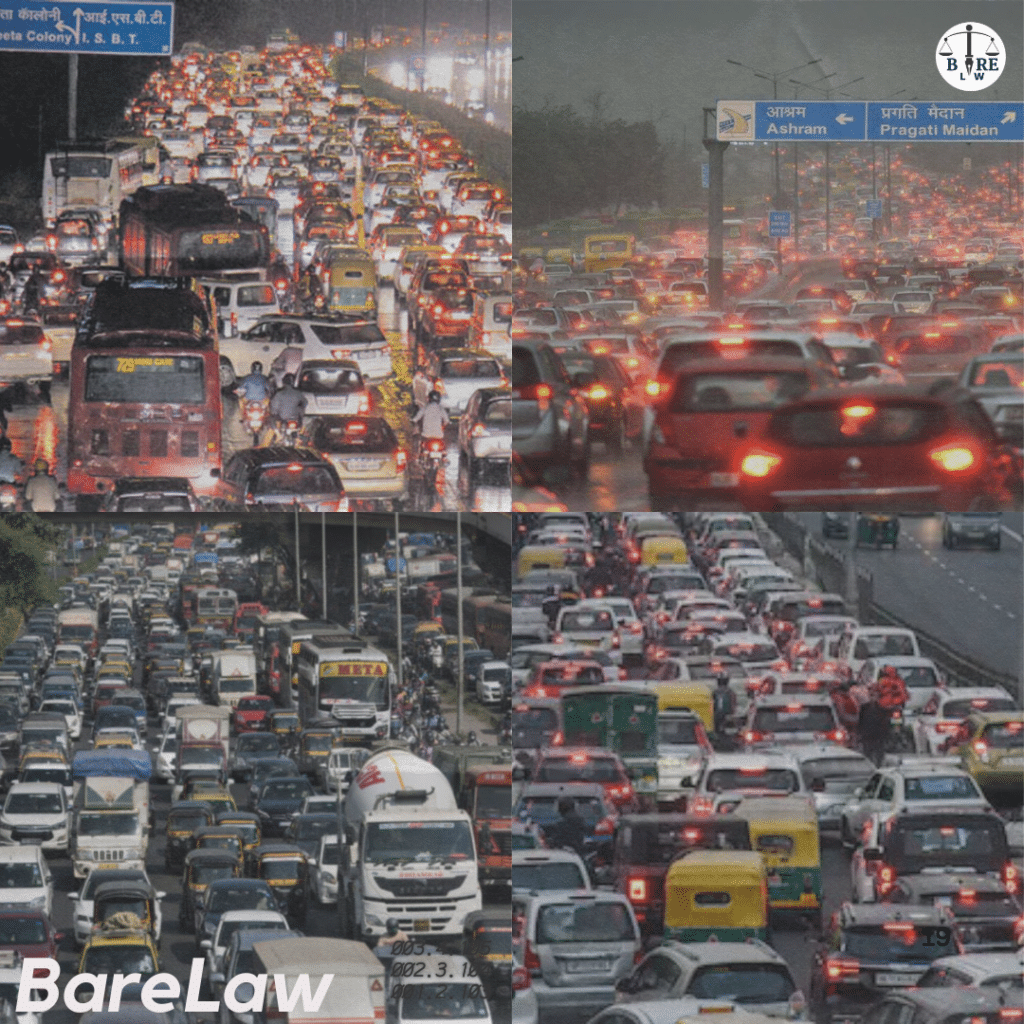
In Delhi “25.5 Kms in 1.5 Hours” Amid Protests In Noida
The ‘Delhi Chalo’ protest by farmers, demanding fair compensation and policy reforms, caused massive traffic disruptions in Delhi, highlighting the…