
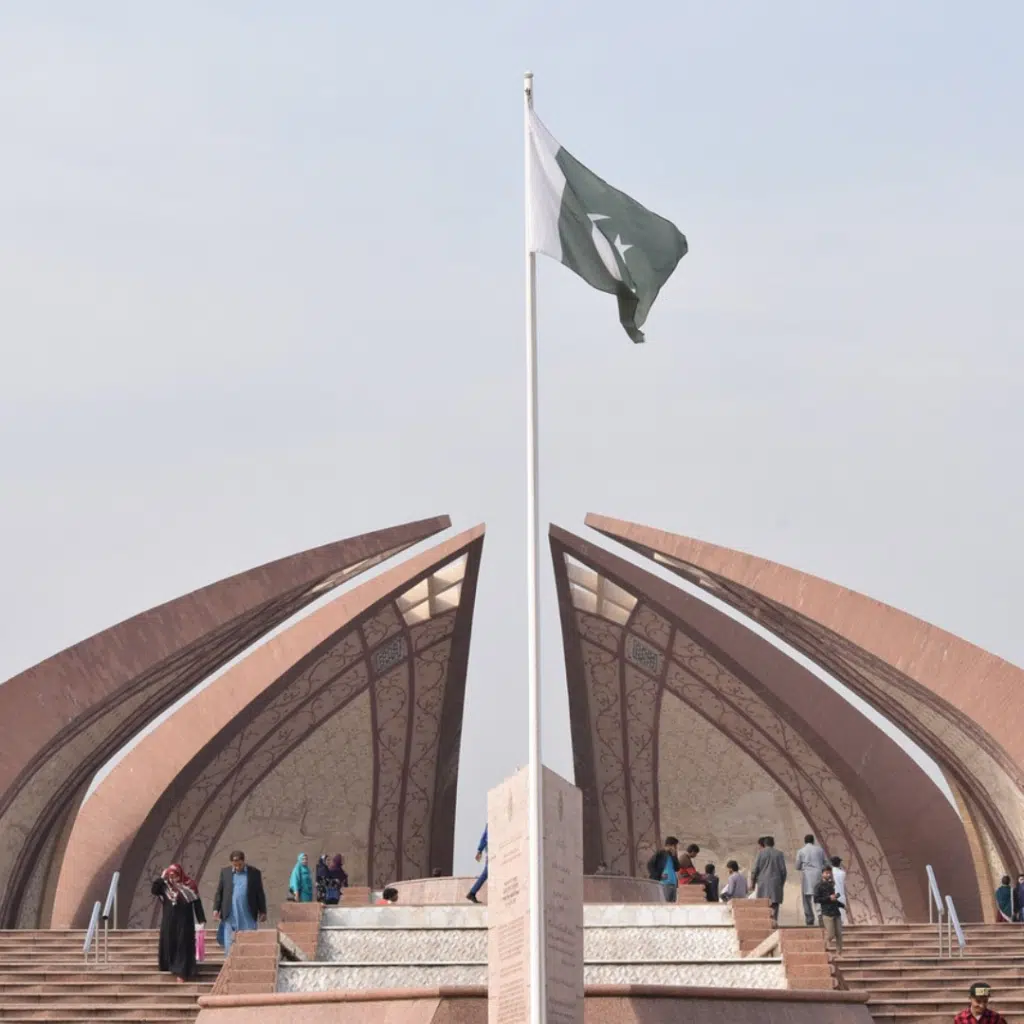
Navigating the Crossroads: Pakistan’s Democratic Aspirations and the Upcoming Elections
Table of Contents
As Pakistan gears up for the general elections scheduled on February 8, the nation finds itself at a pivotal juncture, reflecting on its tumultuous yet inspiring democratic journey. The essence of this critical moment is deeply rooted in the philosophical foundations laid by visionaries like Muhammad Ali Jinnah and Allama Iqbal, whose dreams of sovereignty and democracy have long guided Pakistan’s path.
Jinnah’s profound legal acumen and Iqbal’s poetic vision of a free nation have been instrumental in shaping the Pakistani identity. Their legacy, coupled with the historical partition orchestrated by figures like Louis Mountbatten, sets the backdrop against which Pakistan’s contemporary political drama unfolds. Today, the nation stands at the threshold of an electoral process that could either reinforce its democratic values or challenge the very principles upon which it was founded.
The political landscape is dominated by figures like Nawaz Sharif and Imran Khan, each carrying their baggage of controversies and aspirations. Sharif, despite legal entanglements and corruption allegations, remains a significant force, his return marking a potential shift in the political dynamics. Conversely, Khan’s tenure, marked by promises of reform, has been scrutinized for governance challenges and questions surrounding the erosion of democratic norms.
The upcoming elections are more than a political contest; they are a reflection of Pakistan’s ongoing struggle to balance the ideals of its founders with the pragmatic challenges of governance and justice. The judiciary’s role, especially in ensuring the integrity of the electoral process, is under the spotlight, emphasizing the need for an impartial system that upholds the rule of law and democratic principles.
The narrative of Pakistan’s democracy is complex, woven with aspirations, challenges, and the relentless pursuit of a just society. As the elections approach, the nation’s commitment to democracy and the rule of law will be tested. The legacy of its founders reminds us that the ideals of justice, equality, and freedom are not just lofty goals but essential pillars that must uphold the edifice of a vibrant, democratic Pakistan.
In conclusion, as Pakistan stands at this crossroads, the upcoming elections are not just a procedural event but a moment of reckoning for the nation’s democratic journey. The choices made by its people and leaders will determine the path that Pakistan will take towards realizing the vision of its founders. It is a time for reflection, decision, and, most importantly, a reaffirmation of the values that constitute the core of Pakistan’s identity.
FAQs:
- What makes the upcoming elections in Pakistan significant? The elections are pivotal for reaffirming Pakistan’s commitment to democracy and the rule of law, amidst challenges posed by political controversies and governance issues.
- Who were the key figures in the founding of Pakistan? Muhammad Ali Jinnah and Allama Iqbal played crucial roles, with Jinnah leading the legal and political movement for independence, and Iqbal providing the philosophical vision.
- What challenges does Pakistan’s democracy face? Issues include political corruption, governance challenges, and the need for judiciary impartiality to ensure fair electoral processes.
- How can Pakistan uphold its democratic values? By ensuring a transparent electoral process, respecting the rule of law, and upholding the judiciary’s independence and impartiality.
- What is the legacy of Jinnah and Iqbal in today’s Pakistan? Their vision of democracy, equality, and justice continues to inspire the nation’s aspirations and serves as a guiding principle for its democratic journey.
Barelaw, an online platform dedicated to delivering comprehensive legal knowledge, proudly presents its exclusive category of case briefs. This section is meticulously crafted to offer insightful analyses of landmark judgments, providing a valuable resource for legal professionals, students, and anyone interested in understanding the intricacies of law. Our case briefs delve deep into pivotal court decisions, exploring the rationale behind each judgment and its impact on the legal landscape.
We understand that navigating the complexities of legal judgments can be challenging. That’s why our case briefs are designed to be both informative and accessible, ensuring that readers gain a clear understanding of the key legal principles involved. Each brief includes a summary of the facts, the legal issue at hand, the court’s reasoning, and the ultimate decision. This structured approach makes it easier for our audience to grasp the nuances of each case.
Our website is a treasure trove of legal wisdom, constantly updated with the latest and most significant cases. Whether you’re a law student seeking to enhance your knowledge, a practicing attorney looking for a quick reference, or simply a curious mind eager to understand the law’s evolution, Barelaw is your go-to destination.
Explore our case briefs and immerse yourself in the world of law. Visit our website now and discover the wealth of legal knowledge at your fingertips. The link is provided below for your convenience and direct access to our expansive legal database
You can access more legal drafts here – https://www.barelaw.in/legal-drafts/