

Legal Recourse for Food Contamination Incidents in India: What You Need to Know

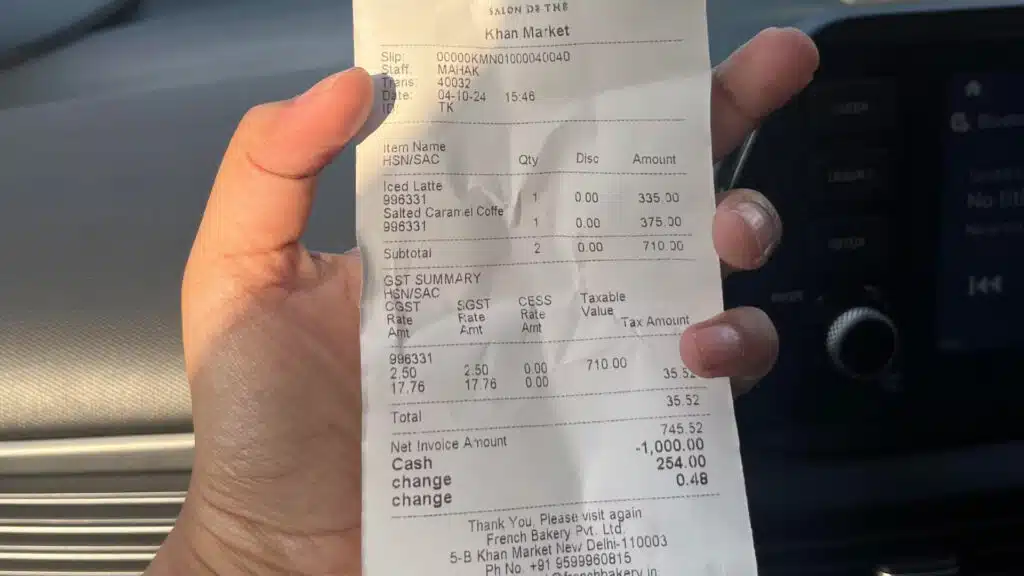
In recent times, instances of food contamination, such as the shocking discovery of a cockroach in a takeaway iced latte from L’Opéra in Khan Market, Delhi, have raised serious concerns about food hygiene standards in India. Cases like these highlight the importance of understanding the legal options available to consumers when they face similar situations. If you, as a common citizen, ever encounter a food contamination incident, knowing your rights and the laws related to food safety in India can empower you to take action.
Laws Governing Food Safety in India
India has a comprehensive legal framework designed to ensure food safety and hygiene standards for consumers. The two primary laws that address food safety violations in India are:
- Food Safety and Standards Act, 2006 (FSSAI): This law is implemented by the Food Safety and Standards Authority of India (FSSAI), which is responsible for regulating and supervising food safety. Any food business, whether small or large, must adhere to the guidelines set by FSSAI, ensuring that food products are safe for consumption. Violations, such as food contamination, can lead to hefty fines, imprisonment, or both for the offending business.
- Consumer Protection Act, 2019: Under this act, consumers have the right to safety and the right to be informed about the quality and standard of goods they purchase. If a food item is contaminated, adulterated, or unhygienic, consumers can file complaints under this law seeking compensation for physical, financial, or emotional distress.
Legal Options Available to Consumers
If you ever find yourself in a situation like a customer from Delhi who discovered a cockroach in their iced latte, here’s how you can legally tackle the issue:
- File a Complaint with FSSAI: The FSSAI provides an easy mechanism for consumers to file complaints about food safety violations. You can complain about their website or app. The FSSAI conducts an investigation into the matter and may impose penalties or take action against the establishment if found guilty.
- Consumer Court: You can approach a consumer forum or consumer court to seek compensation for food contamination. As a consumer, you have the right to file a complaint against the establishment for selling unsafe or unhygienic food. You can claim compensation for the health risks, emotional distress, and other damages caused by the contaminated product.
- Lodge a Police Complaint: In severe cases where health hazards are involved, a criminal complaint can be filed with the police under the Indian Penal Code (IPC). Sections such as Section 272 (adulteration of food or drink) and Section 273 (sale of noxious food or drink) can be invoked, which could lead to criminal prosecution of the food establishment.
- Approach the Local Health Department: Reporting such incidents to the local municipal health department can lead to immediate inspections of the establishment and enforcement of health and hygiene standards. They can conduct surprise inspections, issue warnings, or shut down the business if found in violation of hygiene standards.
How to Ensure Food Safety as a Consumer
While the law is on your side, here are some practical steps you can take to ensure your safety when dining out or ordering food:
- Check for FSSAI Registration/License: Ensure the restaurant or café displays a valid FSSAI license. This indicates that the establishment adheres to the food safety regulations in India.
- Inspect Food and Packaging: Before consuming any food or drink, especially takeaway orders, check for any unusual objects, odor, or packaging irregularities.
- Report Incidents Promptly: If you encounter any issue, report it immediately to the staff. If their response is unsatisfactory, follow up by filing a formal complaint with FSSAI or other authorities.
Conclusion
Food contamination incidents, such as the cockroach discovery in a Delhi café, highlight the importance of strict food safety standards and consumer vigilance. As a citizen, you have several legal options available to tackle such incidents, from filing complaints with FSSAI to taking the matter to consumer courts or even pursuing criminal charges. By being informed about your rights, you can ensure that food establishments maintain the highest hygiene standards, making dining out a safer experience for everyone.