
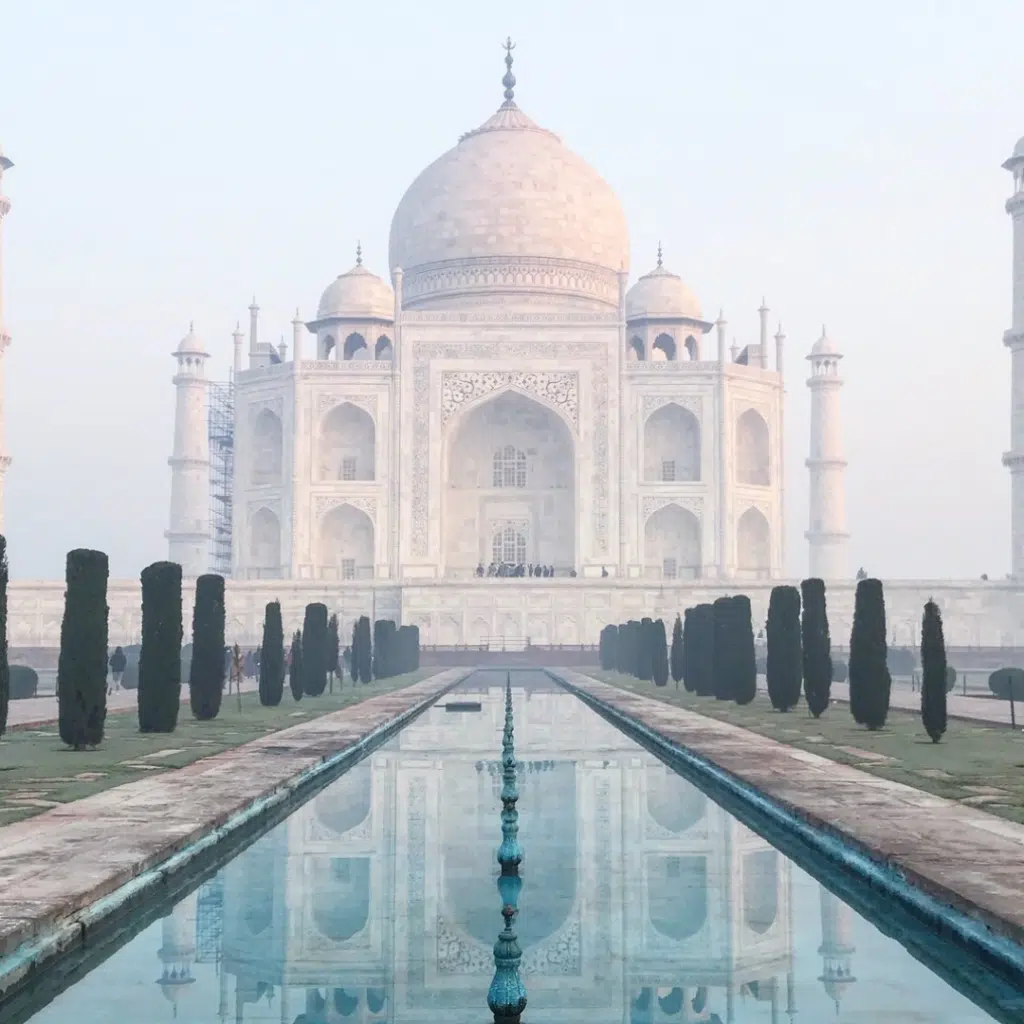
Legal Challenge Over ‘Urs’ Observance at Taj Mahal Raises Cultural and Historical Debate
Table of Contents
Introduction
In a move that has ignited a debate on cultural heritage and historical traditions, the Akhil Bharat Hindu Mahasabha (ABHM) has filed a civil suit in the Agra district court. The suit seeks a prohibitory injunction against the observance of the ‘Urs’ of Mughal emperor Shah Jahan at the iconic Taj Mahal. This legal challenge brings to the forefront questions regarding the management of historical sites and the interplay between heritage and contemporary cultural practices.
The Legal Challenge
The ABHM’s suit, represented by advocate Anil Tiwari, has raised concerns over the legality of the ‘Urs’ celebrations, traditionally held to commemorate the death anniversary of Shah Jahan, the emperor behind the Taj Mahal’s creation. The suit specifically seeks to prevent free entry to the monument during the event, slated from February 6 to 8, and challenges the Celebration Committee Tajgang’s authority to organize the event without official permissions from the government or the Archaeological Survey of India (ASI).
Cultural Significance vs. Conservation Concerns
The ‘Urs’ is a deeply rooted cultural event involving rituals like ‘chadar posh,’ ‘sandal,’ ‘gusul,’ and ‘kul,’ aimed at paying homage to Shah Jahan. However, the ABHM’s legal move underscores a growing concern over the preservation of India’s historical monuments and the need for a balanced approach to observing cultural traditions without compromising the integrity of heritage sites.
Conclusion
The Agra District Court’s decision, expected on March 31, is eagerly awaited by those on both sides of the debate. This legal challenge not only highlights the complexities surrounding the conservation and celebration of India’s rich historical legacy but also prompts a broader discussion on how modern India reconciles its diverse cultural traditions with the preservation of its historical heritage.
FAQ
- What is the ‘Urs’ that is celebrated at the Taj Mahal?
- Who has filed the civil suit against the observance of ‘Urs’ at the Taj Mahal, and why?
- What are the main concerns raised by the Akhil Bharat Hindu Mahasabha in their suit?
- When is the court expected to make a decision on this matter?
- How does the ‘Urs’ celebration at the Taj Mahal affect its conservation?
Barelaw, an online platform dedicated to delivering comprehensive legal knowledge, proudly presents its exclusive category of case briefs. This section is meticulously crafted to offer insightful analyses of landmark judgments, providing a valuable resource for legal professionals, students, and anyone interested in understanding the intricacies of law. Our case briefs delve deep into pivotal court decisions, exploring the rationale behind each judgment and its impact on the legal landscape.
We understand that navigating the complexities of legal judgments can be challenging. That’s why our case briefs are designed to be both informative and accessible, ensuring that readers gain a clear understanding of the key legal principles involved. Each brief includes a summary of the facts, the legal issue at hand, the court’s reasoning, and the ultimate decision. This structured approach makes it easier for our audience to grasp the nuances of each case.
Our website is a treasure trove of legal wisdom, constantly updated with the latest and most significant cases. Whether you’re a law student seeking to enhance your knowledge, a practicing attorney looking for a quick reference, or simply a curious mind eager to understand the law’s evolution, Barelaw is your go-to destination.
Explore our case briefs and immerse yourself in the world of law. Visit our website now and discover the wealth of legal knowledge at your fingertips. The link is provided below for your convenience and direct access to our expansive legal database
You can access more legal drafts here – https://www.barelaw.in/legal-drafts/