
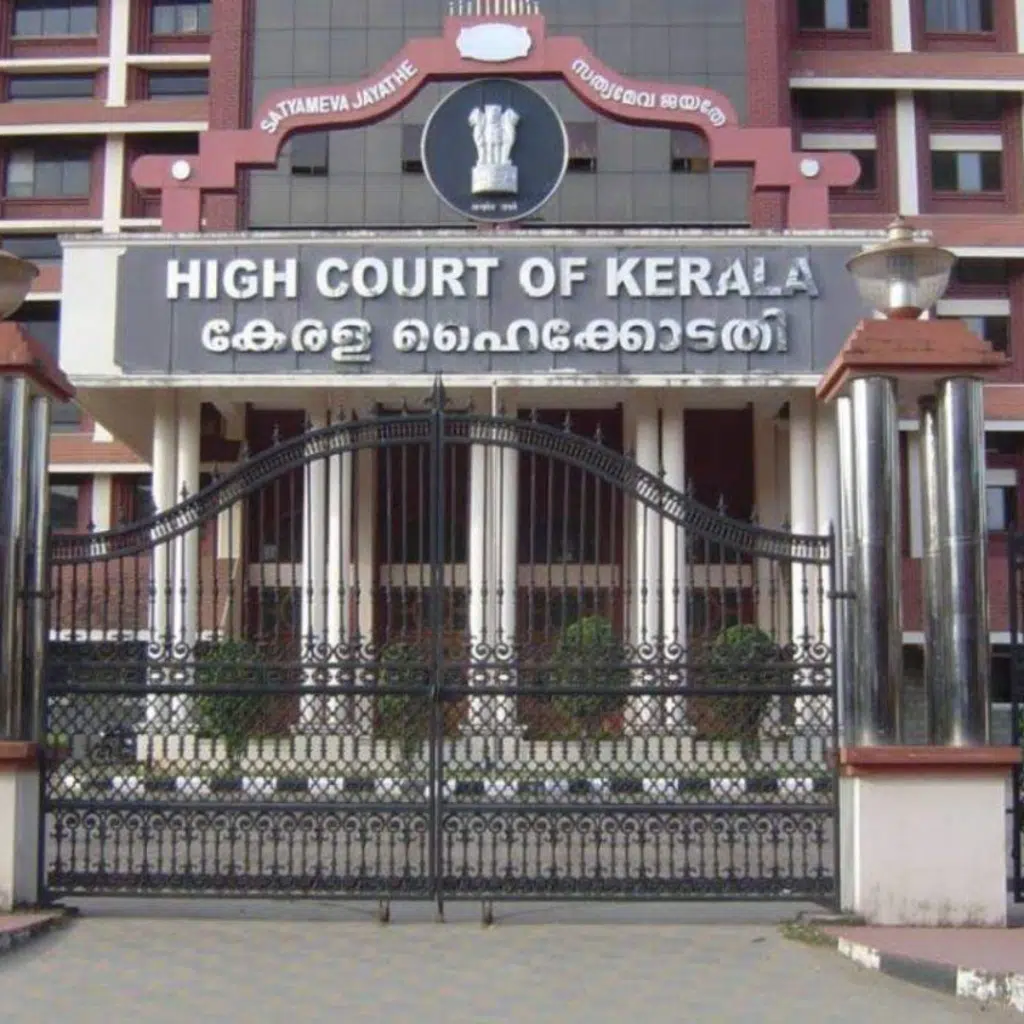
Kerala High Court Stays Order on WhatsApp Message Traceability in Landmark Privacy Case
Table of Contents
The Kerala High Court on Tuesday overturned a lower court’s order requiring WhatsApp’s India representative to reveal the original source of certain communications, marking a significant legal development. A female politician first complained that the aforementioned texts violated her modesty and tarnished her reputation in the political sphere, prompting the issuance of this injunction. Rule 4(2) of the Information Technology (Intermediary Guidelines & Digital Media Ethics Code) Rules 2021 (IT Rules 2021) is the subject of debate since it requires major social media intermediaries to identify the original creator of a communication under certain circumstances.
WhatsApp challenged the November 20, 2023, order of the magistrate court, claiming it was unlawful in addition to being improper. In its plea, the tech giant said that Rule 4(2) violates Article 14 of the Constitution by challenging the limits of the Information Technology Act, infringing upon fundamental rights to privacy and freedom of speech as guaranteed by the Constitution, and being blatantly arbitrary.
The case was presided over by Justice Bechu Kurian Thomas, who agreed with WhatsApp’s contention that Rule 4(2) could not be properly enforced because the claimed infraction carried a sentence of less than five years in jail. This legal action successfully halted the lower court’s ruling, giving WhatsApp short-term respite in the middle of ongoing discussions about free speech and privacy.
WhatsApp’s appeal against Rule 4(2) is a part of a larger legal dispute; other high courts, including the Delhi High Court, are considering similar challenges. The plea focused on the magistrate’s order’s possible unconstitutionality as well as the larger ramifications for legal and private rights in the digital era. Advocates Tejas Karia, Swati Agarwal, Shashank Mishra, Akshi Rastogi, Thomas P. Kuruvilla, and P. Prijith zealously represented the cause.
This case demonstrates the conflicts that exist between the need to safeguard people’s online privacy and freedom of speech and the government’s attempts to thwart disinformation and maintain law and order. It emphasizes how difficult it is for social media companies to manage the demands of users and governments while negotiating complicated legal environments.
In summary
The Kerala High Court’s ruling to vacate the magistrate court’s decree represents a turning point in India’s continuing discussion about digital privacy and free speech. It restates the judiciary’s responsibility to strike a balance between the needs of the state and citizens’ rights in the digital sphere. This case will surely be an important point of reference for future discussions on privacy, free speech, and the obligations of digital intermediaries as the legal challenges to IT Rules 2021 play out.
FAQ
What does IT Rules 2021 Rule 4(2) mean?
Under a court ruling, Rule 4(2) requires major social media intermediaries that offer messaging services to identify the message’s original author.
Why did the order of the lower court get stayed by the Kerala High Court?
The court expressed doubts about the rule’s validity and agreed with WhatsApp’s contention that the rule could not be enforced because the accused infraction carried a sentence of less than five years in prison.
What implications does this case have for free speech and digital privacy?
This case highlights the delicate balance that must be struck between eradicating false content and defending users’ internet rights. It draws attention to the moral and legal difficulties social media companies have when it comes to user privacy and freedom of speech.
Barelaw, an online platform dedicated to delivering comprehensive legal knowledge, proudly presents its exclusive category of case briefs. This section is meticulously crafted to offer insightful analyses of landmark judgments, providing a valuable resource for legal professionals, students, and anyone interested in understanding the intricacies of law. Our case briefs delve deep into pivotal court decisions, exploring the rationale behind each judgment and its impact on the legal landscape.
We understand that navigating the complexities of legal judgments can be challenging. That’s why our case briefs are designed to be both informative and accessible, ensuring that readers gain a clear understanding of the key legal principles involved. Each brief includes a summary of the facts, the legal issue at hand, the court’s reasoning, and the ultimate decision. This structured approach makes it easier for our audience to grasp the nuances of each case.
Our website is a treasure trove of legal wisdom, constantly updated with the latest and most significant cases. Whether you’re a law student seeking to enhance your knowledge, a practicing attorney looking for a quick reference, or simply a curious mind eager to understand the law’s evolution, Barelaw is your go-to destination.
Explore our case briefs and immerse yourself in the world of law. Visit our website now and discover the wealth of legal knowledge at your fingertips. The link is provided below for your convenience and direct access to our expansive legal database
You can access more legal drafts here – https://www.barelaw.in/legal-drafts/