
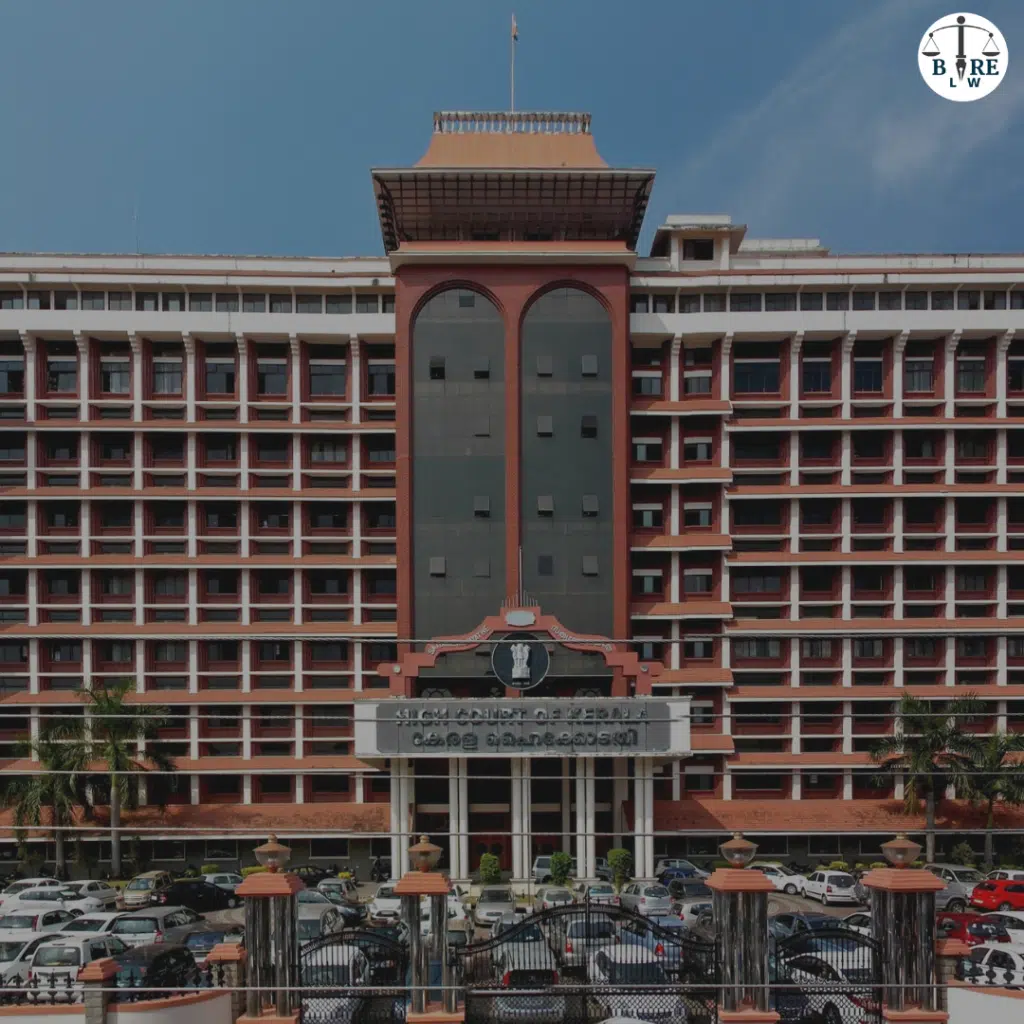
Kerala High Court Rules Customers in Brothels Liable Under Immoral Traffic Act
Introduction:
In a landmark ruling, the Kerala High Court has clarified the legal position of customers in brothels under the Immoral Traffic (Prevention) Act, 1956 (ITP Act). This judgment, rendered in the case of [Abhijith v. State of Kerala], has significant implications for the understanding of what constitutes ‘procurement’ in the context of prostitution.
Background of the Case:
The judgment was passed on a criminal revision petition filed by a man found as a customer in a brothel. The petitioner was charged under various sections of the ITP Act, including Sections 3, 4, 5, and 7, which pertain to keeping a brothel, living on the earnings of prostitution, and procuring or inducing a person for prostitution. The initial plea for discharge was dismissed by a magistrate court, leading to an appeal in the High Court.
Key Findings of the Court:
Justice PG Ajithkumar, presiding over the case, emphasized that while the ITP Act does not explicitly define “procure,” it is essential to understand the term in the statute’s context and objectives. The Court noted that the act aims to prevent commercial exploitation and trafficking among women and girls.
In interpreting ‘procure’, the Court referred to its definition in the Merriam Webster Dictionary as “to get possession of” or “to obtain something”. The Court reasoned that a customer who obtains domain over a person for the purpose of prostitution falls under the ambit of ‘procuring’ as per Section 5 of the ITP Act.
Implications of the Judgment:
This ruling holds significant implications. Firstly, it expands the understanding of criminal liability under the ITP Act to include customers of brothels. Secondly, it underscores the Act’s broader objective to combat the exploitation inherent in prostitution. The judgment sends a clear message that the law does not merely target those who operate or profit directly from prostitution but also those who participate as consumers.
Conclusion:
The Kerala High Court’s decision marks a pivotal moment in the interpretation of the Immoral Traffic (Prevention) Act. It sets a precedent that could influence future cases involving the commercial sex trade. By bringing customers within the scope of prosecution, the Court has reinforced the Act’s purpose of curbing the exploitation and trafficking of women and girls.
Future Considerations:
This judgment may provoke discussions on the broader implications for privacy rights and personal freedoms. It also opens up debates about the effectiveness of criminalizing customers in combating prostitution and whether this approach aligns with global trends and human rights perspectives.