
Kerala High Court Calls for Timely Forensic Analysis to Uphold Speedy Trial Rights
Table of Contents
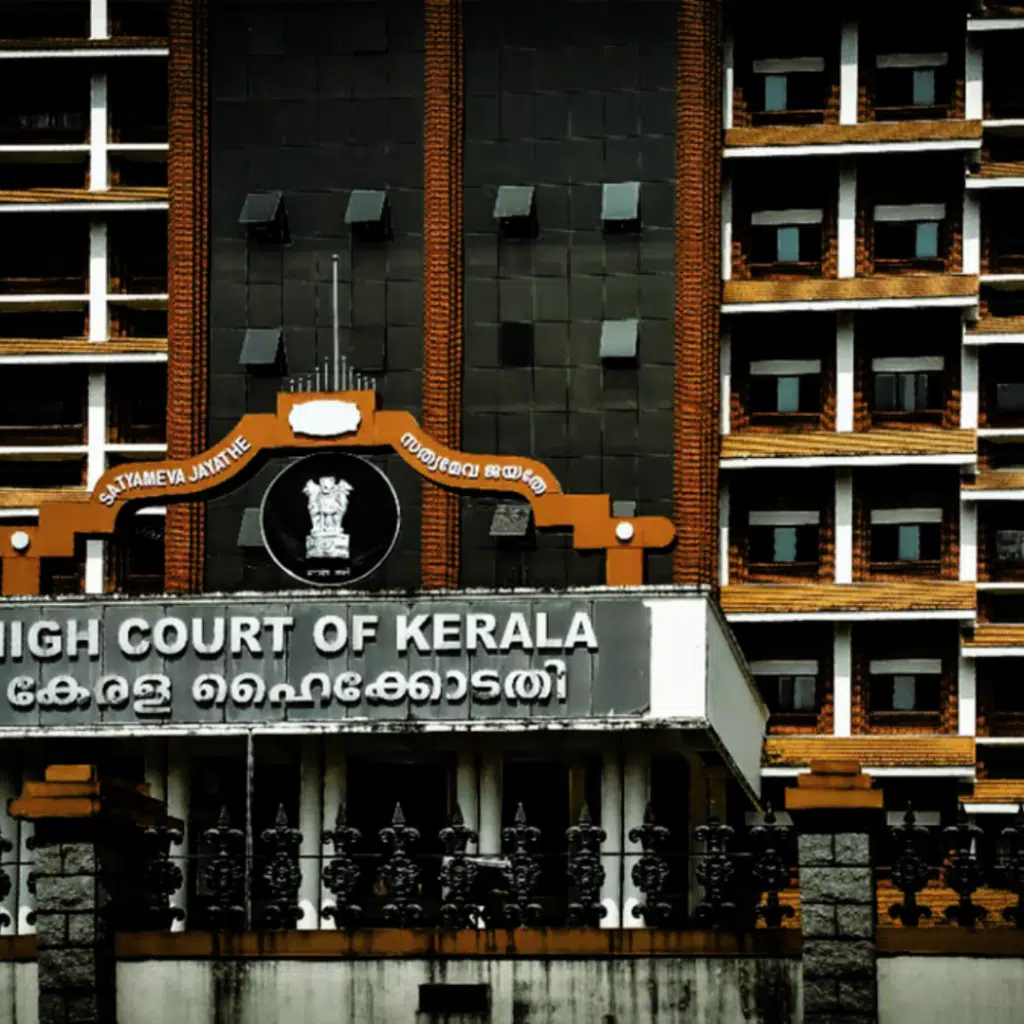
In a recent ruling, the Kerala High Court highlighted the critical importance of timely forensic analysis in the realm of criminal justice, particularly emphasizing its role in ensuring the constitutional right to a speedy trial. The observation came during the bail application hearing of an individual charged with murder under Section 302 of the Indian Penal Code (IPC), originating from West Bengal. The case, presided over by Justice CS Dias, shed light on the pervasive issue of delays in scientific reporting within the investigative process, a matter that has garnered criticism amidst rising crime rates.
Justice Dias articulated the court’s stance on the matter, pointing out the heavy reliance of investigative agencies on scientific evidence and technology in modern-day crime-solving. He remarked on the unacceptable nature of citing staff shortages and inadequate infrastructure as reasons for delays, especially given India’s progression into its 75th year of independence. The judgment echoed the sentiments of prior rulings, notably Hussainara Khatoon (I) v. Home Secy., State of Bihar, which underscored the inherent right to a speedy trial within Article 21 of the Constitution of India.
The court’s examination revealed a significant delay attributed to the absence of forensic reports, a factor that compelled the High Court to request a detailed explanation from the Investigating Officer and the Director of the Forensic Science Laboratory (FSL). The explanations provided pointed to a backlog of cases and staffing issues as primary causes for the delay. However, the court found these reasons insufficient, stressing that such delays compromise the principles of a speedy and fair trial, a doctrine firmly established by the Supreme Court of India.
Despite recognizing the petitioner’s prolonged custody and financial hardships, the court denied bail, citing the gravity of the offense and the potential flight risk posed by the accused. The ruling concluded with a directive for an expedited trial within four months and a call for the FSL to prioritize forensic analysis to prevent further delays. This decision underscores the judiciary’s commitment to upholding the rights of the accused while balancing the interests of justice and public safety.
The case represents a broader issue faced by the criminal justice system in India, where delays in forensic analysis can significantly impact the outcome of trials and the rights of individuals. It highlights the need for systemic improvements within forensic departments to cope with the increasing demand for scientific evidence in criminal investigations.
Conclusion: The Kerala High Court’s emphasis on timely forensic analysis underscores the essential balance between technological reliance in crime-solving and the constitutional mandate for a speedy trial. This ruling serves as a critical reminder of the justice system’s responsibility to adapt and enhance its infrastructure to meet the demands of modern investigative processes, ensuring that the rights of the accused and the imperatives of public safety are both adequately protected.
FAQs:
- What was the main issue addressed by the Kerala High Court? The court addressed the significant delays in forensic analysis in criminal cases, emphasizing the impact on the constitutional right to a speedy trial.
- Why are forensic reports important in criminal cases? Forensic reports provide scientific evidence that is crucial for investigating agencies to solve crimes accurately and efficiently.
- What reasons were given for the delay in forensic analysis? The delay was attributed to a backlog of cases and staffing issues within forensic departments.
- What was the court’s decision regarding the bail application? The bail was denied due to the severity of the offense and the flight risk posed by the accused, with a directive for an expedited trial.
- How does this ruling impact the criminal justice system? This ruling highlights the need for systemic improvements in forensic analysis to ensure timely and fair trials, reflecting on the broader challenges within the criminal justice system.
Barelaw, an online platform dedicated to delivering comprehensive legal knowledge, proudly presents its exclusive category of case briefs. This section is meticulously crafted to offer insightful analyses of landmark judgments, providing a valuable resource for legal professionals, students, and anyone interested in understanding the intricacies of law. Our case briefs delve deep into pivotal court decisions, exploring the rationale behind each judgment and its impact on the legal landscape. We understand that navigating the complexities of legal judgments can be challenging. That’s why our case briefs are designed to be both informative and accessible, ensuring that readers gain a clear understanding of the key legal principles involved. Each brief includes a summary of the facts, the legal issue at hand, the court’s reasoning, and the ultimate decision. This structured approach makes it easier for our audience to grasp the nuances of each case. Our website is a treasure trove of legal wisdom, constantly updated with the latest and most significant cases. Whether you’re a law student seeking to enhance your knowledge, a practicing attorney looking for a quick reference, or simply a curious mind eager to understand the law’s evolution, Barelaw is your go-to destination. Explore our case briefs and immerse yourself in the world of law. Visit our website now and discover the wealth of legal knowledge at your fingertips. The link is provided below for your convenience and direct access to our expansive legal database You can access more legal drafts here – https://www.barelaw.in/legal-drafts/