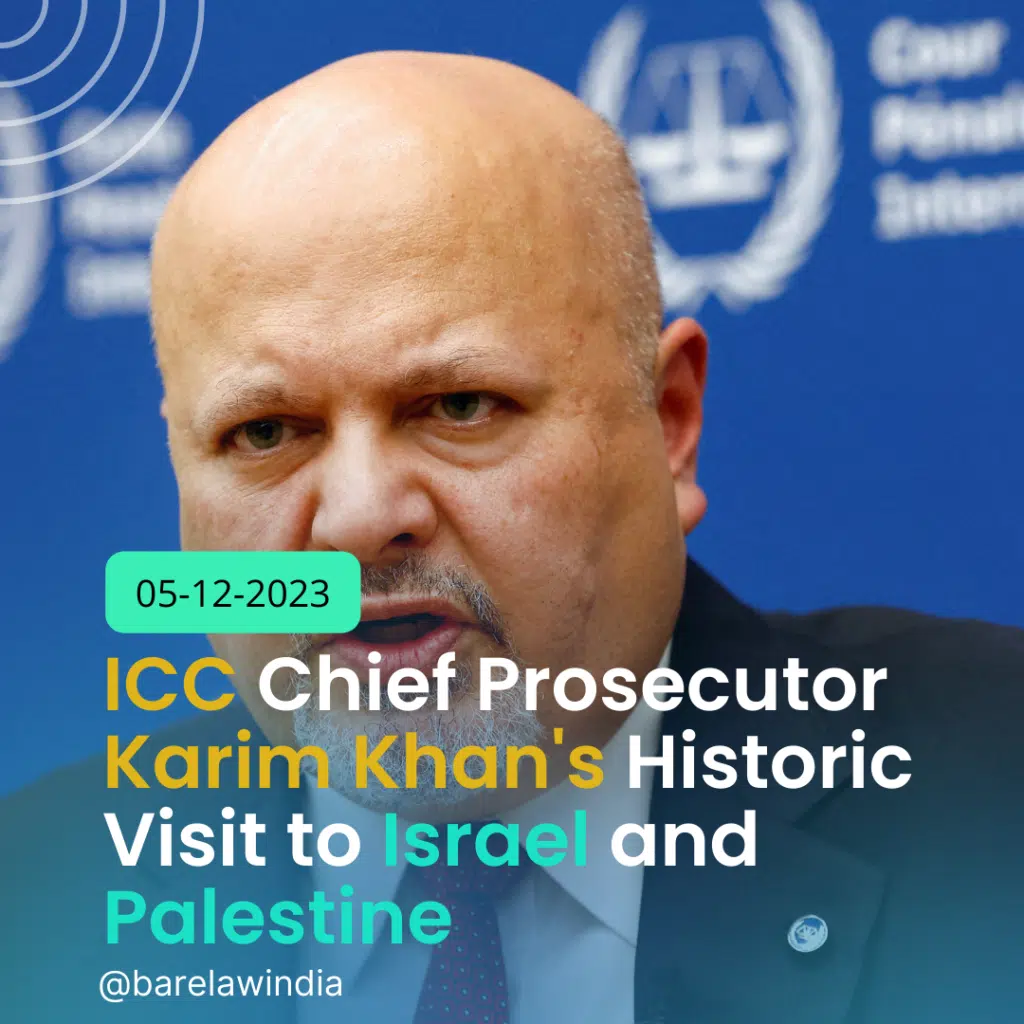
ICC Chief Prosecutor Karim Khan’s Historic Visit to Israel and Palestine
Introduction:
In a groundbreaking development, the Chief Prosecutor of the International Criminal Court (ICC), Karim A.A. Khan, concluded his first visit to Israel and Palestine. This historic trip, marked by high-profile meetings and a commitment to uphold international law, came in response to appeals from victims’ families and human rights groups. They urged the ICC to investigate potential war crimes and genocide in the region.
Background:
The visit followed requests by families of the October 7 attack victims for the ICC to probe alleged war crimes and genocide by Hamas against Israeli civilians. Simultaneously, Palestinian rights groups and five countries accused Israel of similar crimes. Despite some Palestinian rights groups refusing to meet with Khan, citing bias, the prosecutor’s tour included both Israeli and Palestinian territories and authorities, highlighting scenes of extreme violence and suffering.
ICC’s Role and Jurisdiction:
The ICC, governed by the Rome Statute, is pivotal in prosecuting severe international crimes like war crimes, genocide, and crimes against humanity. Although Palestine is a party to the Rome Statute, Israel is not, adding complexity to the ICC’s jurisdiction and the ongoing investigations in the region.
Allegations of War Crimes and Genocide:
Central to the ICC’s investigation are allegations of war crimes and genocide as defined under the Rome Statute. Khan’s visit shed light on accusations from both sides. Palestinian rights groups and international law experts have accused Israel of war crimes, pointing to the high civilian death toll, attacks on medical facilities, and restrictions on humanitarian essentials. Conversely, the initial Hamas attacks, which resulted in significant civilian casualties and included hostage-taking and targeting of civilian areas, are also under scrutiny for war crimes and potential acts of genocide.
Khan’s Observations and Commitments:
Expressing outrage over the violence against civilians and the dire humanitarian situation, particularly in Gaza, Khan emphasized the ICC’s commitment to a thorough investigation under the Rome Statute. His message underscored that international law must protect everyone, irrespective of nationality or political affiliation.
Challenges and the Way Forward:
Khan’s visit, amid ongoing hostilities between Israel and Hamas, highlights the urgency of adhering to international law. He noted Israel’s established legal systems and advised prioritizing compliance with international humanitarian law. While this visit marks a significant step, Khan described it as just the beginning of comprehensive investigations in the region.
Conclusion:
Karim Khan’s visit represents a critical moment in international justice, signifying the ICC’s dedication to investigating and addressing severe allegations of war crimes and genocide in the Israeli-Palestinian conflict. This commitment to upholding international law could be a turning point in addressing the longstanding and complex issues in the region.