
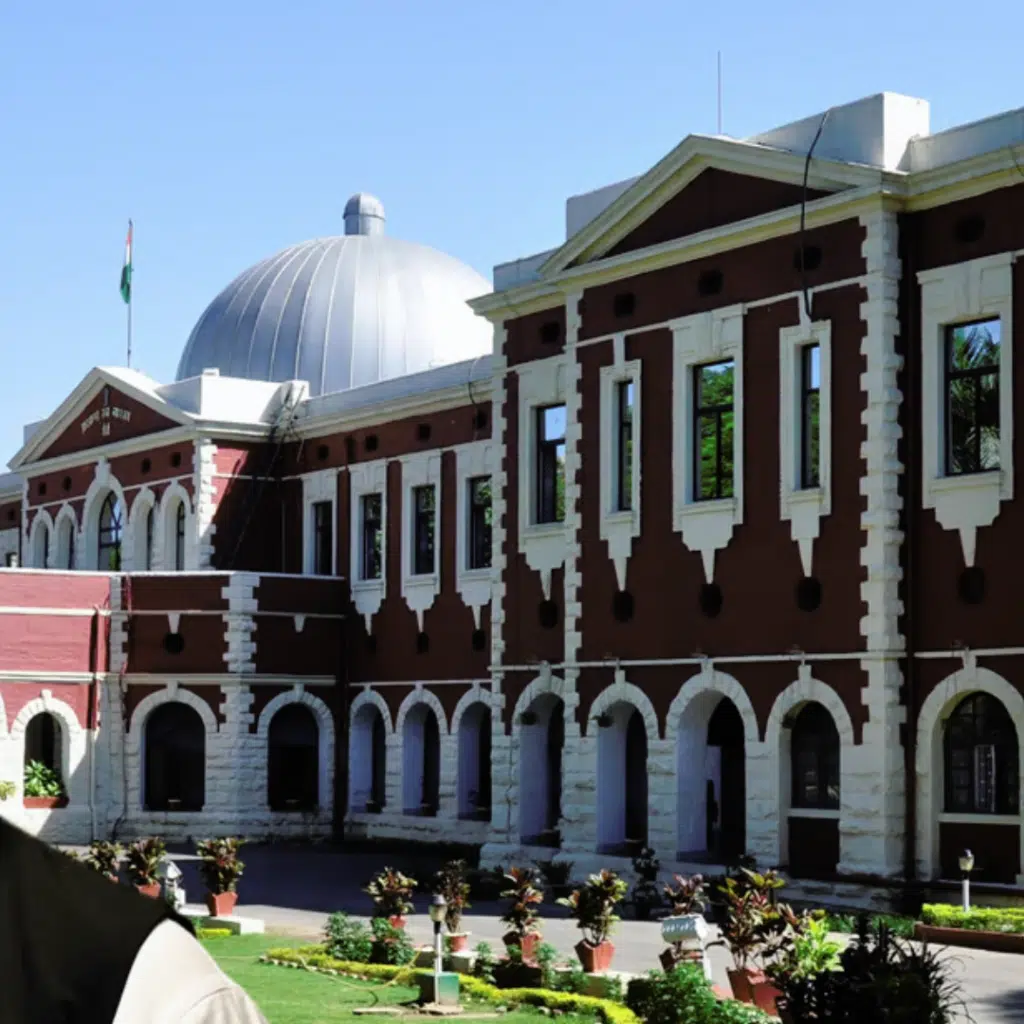
Jharkhand High Court Rejects Rahul Gandhi’s Plea in Defamation Case Against Amit Shah
Table of Contents
In a recent crucial verdict, Union Home Minister Amit Shah and Congress leader Rahul Gandhi were accused of defaming each other. The issue was brought before the Jharkhand High Court. Gandhi submitted a plea to challenge the proceedings of a criminal defamation case against him over remarks he made about Shah, but the court denied his request.
Gandhi denounced the Bharatiya Janata Party (BJP) and charged Shah with involvement in murder during his speech on March 18, 2018. Judge Ambuj Nath declared these remarks to be prima facie defamatory under Section 499 of the Indian Penal Code (IPC), pointing out that Gandhi had hinted that the BJP leadership was drunk on power and comprised of dishonest people.
The matter started when Gandhi was the target of a complaint made by BJP politician Navin Jha. After Jha’s revision plea was denied by a Ranchi magistrate court, the Judicial Commissioner reversed the decision and sent the case back to the magistrate court for additional consideration.
After reexamining the evidence, the magistrate determined that there was enough of it to create a prima facie case under Section 500 of the Indian Penal Code, which criminalizes defamation, against Gandhi. Gandhi was subsequently called to appear in court.
Gandhi responded by requesting that the Judicial Commissioner’s order be challenged in the High Court. The High Court, however, maintained the ruling, highlighting that Gandhi’s remarks were prima facie defamatory and that they were covered by Explanation 2 to Section 499 of the IPC, which encompasses accusations made against organizations, corporations, or groups of people.
The court’s decision emphasizes the significance of accountability in public discourse and restates the legal ramifications of making disparaging remarks about people or organizations.
conclusion
the legal consequences of making defamatory remarks in public discourse are brought to light by the Jharkhand High Court’s denial of Rahul Gandhi’s appeal in the defamation case against Amit Shah. The decision emphasizes how crucial it is to maintain accountability and the integrity of political discourse.
FAQ
What was the case that Rahul Gandhi made?
Gandhi maintained that his remarks did not constitute defamation because they were a justifiable critique of the BJP leadership. But the court confirmed the lower court’s ruling, concluding that his comments were prima facie defamatory.
What does this signify for India’s freedom of speech?
Although the right to free speech is inalienable, it must be weighed against other rights, such as the right to reputation. The decision upholds the principle that people should be held responsible for their words, particularly when they have the potential to damage someone’s reputation.
What effects will this decision have on political leaders?
Political figures should use caution while speaking in public because making defamatory remarks could result in legal repercussions. The decision implies that instead of leveling baseless accusations, leaders should offer constructive feedback.
Barelaw, an online platform dedicated to delivering comprehensive legal knowledge, proudly presents its exclusive category of case briefs. This section is meticulously crafted to offer insightful analyses of landmark judgments, providing a valuable resource for legal professionals, students, and anyone interested in understanding the intricacies of law. Our case briefs delve deep into pivotal court decisions, exploring the rationale behind each judgment and its impact on the legal landscape.
We understand that navigating the complexities of legal judgments can be challenging. That’s why our case briefs are designed to be both informative and accessible, ensuring that readers gain a clear understanding of the key legal principles involved. Each brief includes a summary of the facts, the legal issue at hand, the court’s reasoning, and the ultimate decision. This structured approach makes it easier for our audience to grasp the nuances of each case.
Our website is a treasure trove of legal wisdom, constantly updated with the latest and most significant cases. Whether you’re a law student seeking to enhance your knowledge, a practicing attorney looking for a quick reference, or simply a curious mind eager to understand the law’s evolution, Barelaw is your go-to destination.
Explore our case briefs and immerse yourself in the world of law. Visit our website now and discover the wealth of legal knowledge at your fingertips. The link is provided below for your convenience and direct access to our expansive legal database
You can access more legal drafts here – https://www.barelaw.in/legal-drafts/