
India’s Parliament Approves Election Bill, Sparking Concerns Over Commission’s Independence
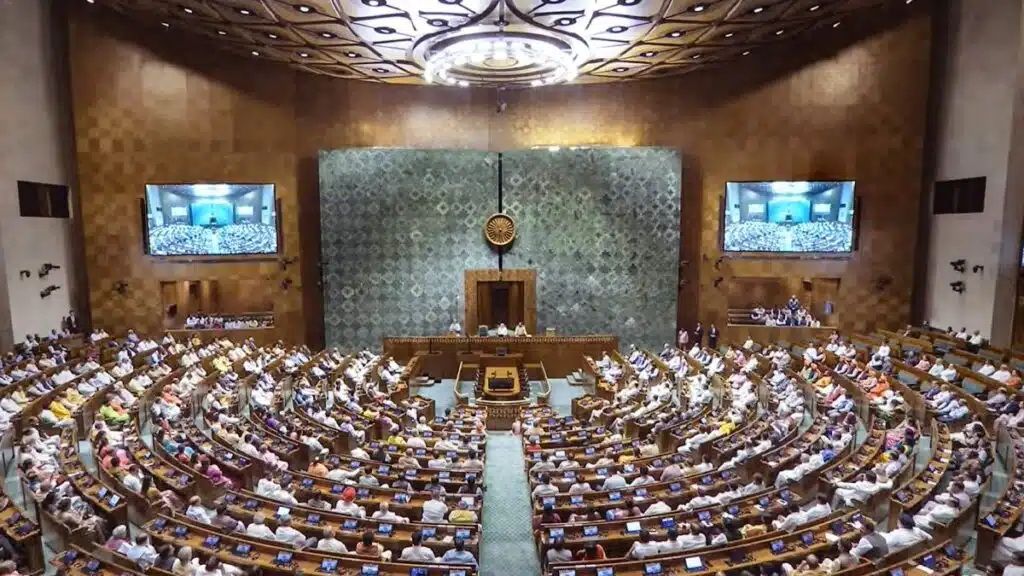
New Delhi, India – In a move that has triggered strong reactions from opposition parties and civil society groups, India’s lower house of Parliament, the Lok Sabha, on Thursday, December 15, 2023, approved the Chief Election Commissioner and Other Election Commissioners (Appointment, Conditions of Service, and Term of Office) Bill, 2023. This legislation significantly overhauls the selection process and service conditions for the Election Commission of India (ECI), the independent body tasked with conducting free and fair elections in the world’s largest democracy.
The bill faced vehement criticism from opposition parties, who raised concerns about its potential to undermine the ECI’s autonomy and neutrality. Some of the key points of contention include:
- Fixed six-year term for commissioners: While intended to provide security of tenure and attract qualified individuals, critics argue it could lead to complacency and hamper accountability. They fear that commissioners might become less responsive to public concerns and electoral malpractices.
- Exclusion of Chief Justice of India from selection committee: The opposition views this as a step towards politicizing the appointment process. The previous selection committee included the Chief Justice of India, along with the President and the Leader of the Opposition in the Lok Sabha. Critics argue that removing the Chief Justice weakens the committee’s independence and introduces the possibility of undue government influence.
- Lack of civil society consultation: Many feel the selection process should be more inclusive and transparent. The current bill does not mandate any consultation with civil society groups or experts on electoral matters, raising concerns about a potential lack of diversity in perspectives and expertise within the ECI.
Despite the opposition’s strong objections, the ruling Bharatiya Janata Party (BJP) government, with its majority in the Lok Sabha, pushed the bill through. However, its passage in the Rajya Sabha, the upper house where the BJP lacks a majority, remains uncertain. The bill may face further amendments or even rejection in the Rajya Sabha, potentially leading to a prolonged political battle.
Proponents of the bill defend it as a necessary step to modernize the ECI and streamline its functioning. They argue that the fixed term will attract talented individuals and provide them with the assurance needed to make independent decisions. Additionally, they maintain that the new selection committee, consisting of the Prime Minister, Leader of the Opposition, and a cabinet minister, will ensure a balanced process with representation from both the government and the opposition.
The ECI itself has remained neutral on the bill, stating that it will abide by whatever law Parliament enacts. However, concerns persist that the new legislation could weaken the body’s impartiality and erode public trust in India’s electoral system. A weakened ECI could have significant implications for India’s democracy, potentially leading to less fair and transparent elections and reduced public confidence in the electoral process.
The bill’s passage comes at a crucial time, as India gears up for state elections in several key states in 2024, followed by the general elections in 2029. Whether the amended selection process will produce an ECI that maintains its independence and conducts truly fair elections remains to be seen. The controversy surrounding the bill is likely to continue, with potentially significant implications for Indian democracy in the years to come.
Beyond the Headlines:
The debate over the Election Commission Bill is not just about the selection process and term of office for commissioners. It is a broader issue about the future of Indian democracy and the role of the ECI in safeguarding its integrity. The ECI has historically played a crucial role in ensuring free and fair elections in India, even during times of political turmoil and social unrest. Its independence and impartiality have been key to maintaining public trust in the electoral system.
The concerns raised by the opposition and civil society groups highlight the potential risks of undermining the ECI’s autonomy. A politicized or weakened ECI could lead to biased decision-making, electoral manipulation, and a decline in public confidence in the democratic process. It is important to have a robust and independent election commission to ensure that the voices of all citizens are heard and that elections reflect the will of the people.
The ongoing debate over the Election Commission Bill underscores the need for a national conversation about the future of Indian democracy. This conversation should involve all stakeholders, including political parties, civil society groups, and the Election Commission itself. It is essential to find a solution that ensures the ECI’s independence and strengthens its ability to conduct free and fair elections in India.