
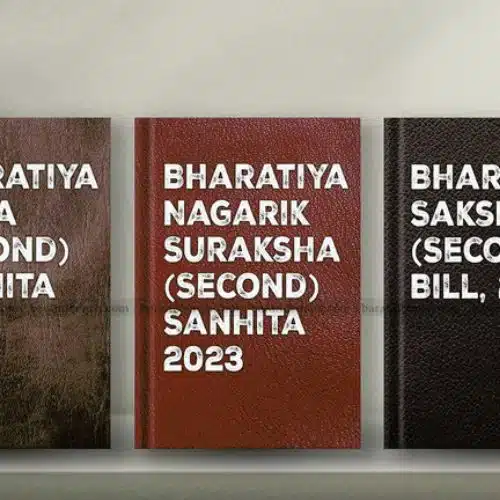
In a contentious move that has sparked political debate and legal concerns, the Indian Lok Sabha (lower house of Parliament) passed three major criminal law amendment bills on December 20, 2023, in the absence of 97 opposition MPs who were suspended earlier. These bills – the Bharatiya Nyaya (Second) Sanhita, the Bharatiya Nagarik Suraksha (Second) Sanhita, and the Bharatiya Sakshya (Second) Bill – aim to comprehensively revamp the Indian Penal Code (IPC), the Code of Criminal Procedure (CrPC), and the Indian Evidence Act, respectively.
What Do the Bills Change?
The proposed amendments introduce significant changes to India’s criminal justice system, touching upon a wide range of aspects. Some key changes include:
- Expanded definition of certain crimes: The bills broaden the scope of offenses like sedition, criminal conspiracy, and insulting religious beliefs. This has raised concerns about increased government control over free speech and expression.
- Enhanced penalties: The amended laws prescribe stricter punishments for various crimes, including the death penalty for certain aggravated offenses. This has led to criticism for potentially turning India into a harsher penal state.
- Streamlined procedures: The proposed amendments aim to expedite criminal trials by simplifying certain procedures and reducing judicial discretion. While this could reduce case backlogs, critics argue it could compromise due process and the rights of the accused.
- Increased police powers: The bills grant police additional investigative powers, such as allowing them to detain suspects for longer periods without judicial intervention. This has raised concerns about potential for misuse and abuse of police authority.
The Controversy: A Walkout and Legal Challenges
The passage of these bills was not without controversy. All opposition parties in the Lok Sabha staged a walkout in protest, accusing the ruling Bharatiya Janata Party (BJP) of bypassing parliamentary debate and pushing through crucial legislation unilaterally. Additionally, legal scholars and activists have raised concerns about the constitutionality of certain provisions, arguing that they violate fundamental rights and may disproportionately target marginalized communities.
Government’s Defense and Potential Implications
The BJP government defends the bills as necessary measures to strengthen national security and improve the efficiency of the criminal justice system. They argue that the amendments address existing loopholes and enhance crime prevention while respecting human rights. However, critics remain unconvinced, and the potential legal challenges could create an extended period of uncertainty surrounding the fate of these amendments.
Beyond the Political Divide: Broader Context and Concerns
The debate surrounding these criminal law amendments goes beyond partisan politics and touches upon several deeper societal concerns. One key issue is the balance between ensuring public safety and protecting individual rights. Another is the potential impact of these changes on social justice and democratic values. Furthermore, the process of passing these bills amidst opposition protests and without thorough public discussion raises questions about transparency and accountability within the Indian legislature.
What Lies Ahead?
The immediate future of these criminal law amendments remains uncertain. They are expected to face legal challenges in the Supreme Court, and the outcome of these legal battles will determine their ultimate fate. However, the wider debate surrounding the proposed changes is likely to continue, sparking discussions about the direction of India’s criminal justice system and the fundamental principles that should guide its future development.
Indian Parliament Pushes Through Controversial Criminal Law Amendments Amidst Walkout: A Deep Dive
In a contentious move that has sparked political debate and legal concerns, the Indian Lok Sabha (lower house of Parliament) passed three major criminal law amendment bills on December 20, 2023, in the absence of 97 opposition MPs who were suspended earlier. These bills – the Bharatiya Nyaya (Second) Sanhita, the Bharatiya Nagarik Suraksha (Second) Sanhita, and the Bharatiya Sakshya (Second) Bill – aim to comprehensively revamp the Indian Penal Code (IPC), the Code of Criminal Procedure (CrPC), and the Indian Evidence Act, respectively.
What Do the Bills Change?
The proposed amendments introduce significant changes to India’s criminal justice system, touching upon a wide range of aspects. Some key changes include:
- Expanded definition of certain crimes: The bills broaden the scope of offenses like sedition, criminal conspiracy, and insulting religious beliefs. This has raised concerns about increased government control over free speech and expression.
- Enhanced penalties: The amended laws prescribe stricter punishments for various crimes, including the death penalty for certain aggravated offenses. This has led to criticism for potentially turning India into a harsher penal state.
- Streamlined procedures: The proposed amendments aim to expedite criminal trials by simplifying certain procedures and reducing judicial discretion. While this could reduce case backlogs, critics argue it could compromise due process and the rights of the accused.
- Increased police powers: The bills grant police additional investigative powers, such as allowing them to detain suspects for longer periods without judicial intervention. This has raised concerns about potential for misuse and abuse of police authority.
The Controversy: A Walkout and Legal Challenges
The passage of these bills was not without controversy. All opposition parties in the Lok Sabha staged a walkout in protest, accusing the ruling Bharatiya Janata Party (BJP) of bypassing parliamentary debate and pushing through crucial legislation unilaterally. Additionally, legal scholars and activists have raised concerns about the constitutionality of certain provisions, arguing that they violate fundamental rights and may disproportionately target marginalized communities.
Government’s Defense and Potential Implications
The BJP government defends the bills as necessary measures to strengthen national security and improve the efficiency of the criminal justice system. They argue that the amendments address existing loopholes and enhance crime prevention while respecting human rights. However, critics remain unconvinced, and the potential legal challenges could create an extended period of uncertainty surrounding the fate of these amendments.
Beyond the Political Divide: Broader Context and Concerns
The debate surrounding these criminal law amendments goes beyond partisan politics and touches upon several deeper societal concerns. One key issue is the balance between ensuring public safety and protecting individual rights. Another is the potential impact of these changes on social justice and democratic values. Furthermore, the process of passing these bills amidst opposition protests and without thorough public discussion raises questions about transparency and accountability within the Indian legislature.
What Lies Ahead?
The immediate future of these criminal law amendments remains uncertain. They are expected to face legal challenges in the Supreme Court, and the outcome of these legal battles will determine their ultimate fate. However, the wider debate surrounding the proposed changes is likely to continue, sparking discussions about the direction of India’s criminal justice system and the fundamental principles that should guide its future development.