India Supreme Court Upholds Rajasthan’s Two-Child Policy for Public Employment
Table of Contents
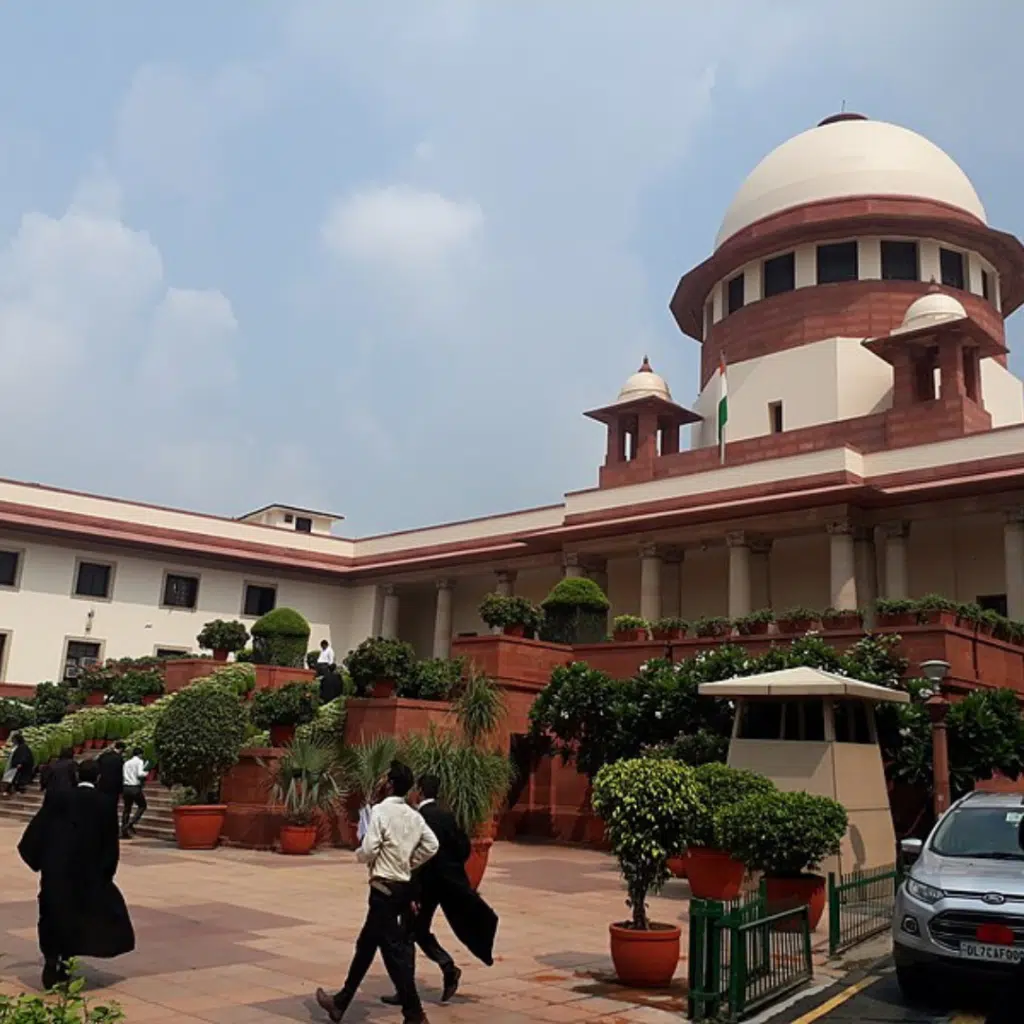
In a recent historic ruling, the India Supreme Court upheld Rajasthan’s two-child eligibility requirement for public employment. The court declared the Rajasthan Various Service (Amendment) Rules, 2001 to be non-discriminatory and constitutional in a decision that was handed down on Thursday. This decision upholds the state’s right to pass legislation limiting the number of children qualified applicants may have while applying for public office.
The case started with an appeal from a petitioner who had applied to be a Rajasthan Police officer but had been turned down because she had more than two children born after June 1, 2002. Rule 24(4) of the Rajasthan Various Service (Amendment) Rules, 2001, which states that candidates with more than two children after the stated date are ineligible for government service, rendered the petitioner’s candidature invalid.
The ruling of a bench consisting of Justices Surya Kant, Diapankar Datta, and K V Vishwanathan was grounded in prior cases, specifically the Javed and others v. State of Haryana case. They came to the conclusion that the clause prohibiting candidates from running if they had more than two living children was non-discriminatory, in line with constitutional values, and intended to encourage family planning.
The petitioner’s appeal was dismissed by the Rajasthan High Court in October 2022, stating the subject as falling under the ambit of policy and not requiring judicial intervention, prior to the Supreme Court’s verdict. The petitioner’s legal fight has come to an end with Thursday’s verdict, which comes eleven years after the precedent-setting case regarding a similar provision for local elections.
In summary, the ruling by the India Supreme Court to maintain Rajasthan’s two-child policy for public employment highlights the authority of the state to enact policies that encourage family planning and regulate the labor force. The court has clarified the legal framework controlling the qualifying requirements for government posts in Rajasthan and maybe throughout India by upholding the validity of such measures.
FAQs
1. What does the Supreme Court’s decision regarding Rajasthan’s two-child policy mean?
The decision upholds the state’s right to enact laws supporting family planning and controlling the requirements for obtaining government jobs. It highlights the judiciary’s position on population control methods and creates legal precedence for similar policies in other jurisdictions.
2. What effect will the ruling have on Rajasthani government job seekers who have more than two children?
According to the Rajasthan Various Service (Amendment) Rules, 2001, those who have more than two children born after June 1, 2002, are not eligible to work for the government in Rajasthan. The need of following the specified eligibility conditions is further reinforced by the Supreme Court’s order upholding this clause.
3. What rationale did the Supreme Court use to reach its ruling?
The court based its ruling on the precedent established in the Javed and others v. State of Haryana case, which determined that laws intended to encourage family planning by capping the number of children that qualified individuals might have were constitutional.
Barelaw, an online platform dedicated to delivering comprehensive legal knowledge, proudly presents its exclusive category of case briefs. This section is meticulously crafted to offer insightful analyses of landmark judgments, providing a valuable resource for legal professionals, students, and anyone interested in understanding the intricacies of law. Our case briefs delve deep into pivotal court decisions, exploring the rationale behind each judgment and its impact on the legal landscape.
We understand that navigating the complexities of legal judgments can be challenging. That’s why our case briefs are designed to be both informative and accessible, ensuring that readers gain a clear understanding of the key legal principles involved. Each brief includes a summary of the facts, the legal issue at hand, the court’s reasoning, and the ultimate decision. This structured approach makes it easier for our audience to grasp the nuances of each case.
Our website is a treasure trove of legal wisdom, constantly updated with the latest and most significant cases. Whether you’re a law student seeking to enhance your knowledge, a practicing attorney looking for a quick reference, or simply a curious mind eager to understand the law’s evolution, Barelaw is your go-to destination
Explore our case briefs and immerse yourself in the world of law. Visit our website now and discover the wealth of legal knowledge at your fingertips. The link is provided below for your convenience and direct access to our expansive legal database
You can access more legal drafts here – https://www.barelaw.in/legal-drafts/