
Bitcoin, the world's first cryptocurrency, has revolutionized finance with its decentralized blockchain technology, providing financial inclusion and a hedge against inflation. Its recent surge to $97,000 highlights growing adoption, institutional interest, and optimism over crypto-friendly policies..
Table of Contents
If You Own 1 Bitcoin, You Can Buy This
By surpassing $97,000, the first and most famous cryptocurrency, Bitcoin, has broken previous milestones and is getting closer to the historic $100,000 milestone. Institutional interest, increased popular use, and confidence in President-elect Donald Trump’s pro-crypto policies have all contributed to this incredible surge. Let’s examine Bitcoin’s history, science, social effects, and legality in more detail. We’ll also take a speculative look at what this riches actually implies.
Understanding Bitcoin: The Science Behind It
Blockchain is a revolutionary technology that powers Bitcoin. It is a decentralized digital database that securely, openly, and irrevocably logs transactions across numerous computers. By using a peer-to-peer network, this innovative method eliminates the necessity for central authorities like banks.
Key Features of Bitcoin:
- Decentralization: Since a single party does not govern Bitcoin, it is immune to manipulation and censorship.
- Limited Supply: Bitcoin is a hedge against inflation since its supply is restricted to 21 million coins.
- Mining Process: To validate transactions and add them to the blockchain, powerful computers must solve intricate mathematical puzzles. This process is how new Bitcoins are made.
- Security: Bitcoin employs cutting-edge cryptography methods, so counterfeiting is extremely safe and practically difficult.
The History of Bitcoin
The rise of Bitcoin from anonymity to prominence is evidence of technology’s revolutionary potential.
Early Days: 2008–2012
- 2008: The enigmatic Satoshi Nakamoto wrote a document titled “Bitcoin: A Peer-to-Peer Electronic Cash System,” which inspired Bitcoin.
- 2009 saw the launch of the Bitcoin network and the first-ever Bitcoin transaction between computer scientists Hal Finney and Nakamoto.
- 2010: Laszlo Hanyecz paid 10,000 Bitcoins for two pizzas, the first Bitcoin transaction in the real world. Those pizzas are now valued at hundreds of millions of dollars, but Bitcoin was worth very little then.
Growth and Mainstream Attention: 2013–2017
- 2013: Bitcoin reached $1,000 for the first time, signaling its potential as a digital asset.
- 2017: The cryptocurrency market experienced a boom, with Bitcoin climbing to nearly $20,000, driven by growing investor interest and media attention.
Institutional Adoption: 2018–2021
- 2018: Despite a price correction, Bitcoin gained recognition as an investment vehicle.
- 2021: Bitcoin reached $60,000 as institutional investors, including Tesla and MicroStrategy, added Bitcoin to their balance sheets.
Record-Breaking Heights: 2024
- As of November 2024, Bitcoin has surpassed $97,000, spurred by President-elect Donald Trump’s favourable stance and the introduction of Bitcoin ETFs.
Bitcoin’s Impact on the World
Bitcoin has profoundly influenced various sectors, challenging traditional norms and introducing revolutionary concepts.
Financial Inclusion
Bitcoin provides financial services to millions of unbanked individuals worldwide. Users can send, receive, and store value securely without needing a bank account.
Decentralization
By removing intermediaries, Bitcoin promotes a decentralized economy, reducing dependence on centralized financial institutions and empowering individuals.
Store of Value
Often referred to as “digital gold,” Bitcoin is a hedge against inflation, particularly in regions with unstable currencies.
Innovation in Technology
Bitcoin has catalyzed the development of blockchain technology, which is now used in supply chain management, healthcare, and voting systems.
Bitcoin’s Influence on Governments
Bitcoin poses both opportunities and challenges for governments worldwide.
Regulatory Challenges
- Governments struggle to regulate Bitcoin due to its decentralized nature.
- Some nations, like El Salvador, have embraced Bitcoin as legal tender, while others, like China, have banned it entirely.
Monetary Policy Impacts
Bitcoin challenges traditional monetary systems by providing an alternative immune to government intervention and inflationary policies.
Potential for CBDCs
Bitcoin’s popularity has prompted central banks to explore their own digital currencies, known as Central Bank Digital Currencies (CBDCs). These currencies aim to combine the benefits of digital currencies with the stability of traditional fiat.
Why Bitcoin is Rising Under Trump’s Presidency
Several factors have contributed to Bitcoin’s recent rally:
- Pro-Crypto Policies: Trump’s pledge to make the U.S. the “crypto capital of the planet” and establish a national Bitcoin reserve has fueled optimism.
- Institutional Inflows: Since the election, over $4 billion has flowed into U.S.-listed Bitcoin ETFs, signalling strong institutional demand.
- Market Sentiment: Expectations of favourable regulations and growing adoption have boosted investor confidence.
The Legality of Bitcoin
In India
- Status: Although Bitcoin is not accepted as legal cash, it is legal to hold and trade.
- Taxes: The government levies a 1% TDS on high-value transactions and a 30% tax on cryptocurrency earnings.
- Future: India is investigating a well-balanced regulatory framework to maximize blockchain’s advantages while reducing its hazards.
Globally
- Countries That Support Bitcoin: El Salvador has made Bitcoin legal tender.
- Regulated Markets: The EU and the US have policies in place to control Bitcoin while permitting its use.
- Banned Countries: Citing fraud and capital flight concerns, China and several other countries have banned cryptocurrencies.
Hypothetical Wealth Scenarios: What Could You Do with Bitcoin?
With Bitcoin priced at $97,000 as of November 2024:
- 1 Bitcoin (~$97,000):
- Purchase a luxury car like a Tesla Model S or a BMW i7.
- Make a substantial down payment on a home in a metropolitan area.
- 10 Bitcoins (~$970,000):
- Own a high-end apartment in cities like New York or London.
- Invest in a small business or a diversified stock portfolio.
- 100 Bitcoins (~$9.7 million):
- Buy a mansion in a prime location or multiple properties.
- Establish a significant investment fund or philanthropic initiative.
- 1,000 Bitcoins (~$97 million):
- Join the ranks of ultra-high-net-worth individuals.
- Own yachts, private jets, and properties worldwide.
- Build a tech startup or fund large-scale charitable projects.
Bitcoin’s incredible journey demonstrates its ability to completely change the financial world. As institutions, governments, and people adjust to this digital revolution, Bitcoin’s influence on the world economy keeps expanding. Bitcoin’s role in the world is far from over, and its future is just as exciting as its past.
FAQ: Frequently Asked Questions About Bitcoin
Q1: What is Bitcoin?
A: Bitcoin is a decentralized digital currency that operates on blockchain technology, enabling secure and transparent peer-to-peer transactions without intermediaries.
Q2: How does Bitcoin work?
A: Bitcoin transactions are recorded on a blockchain, a public ledger. Miners validate these transactions using computational power, ensuring network security.
Q3: Why is Bitcoin valuable?
A: Bitcoin’s value comes from its scarcity (limited supply of 21 million coins), decentralization, utility as a store of value, and increasing adoption globally.
Q4: Why is Bitcoin’s price surging now?
A: Factors include pro-crypto policies by President-elect Donald Trump, institutional inflows into Bitcoin ETFs, and growing optimism about regulatory clarity.
Q5: Is Bitcoin legal in India?
A: Yes, Bitcoin is legal to own and trade in India but is not recognized as legal tender. Crypto income is taxed at 30%, with a 1% TDS on high-value transactions.
Q6: What is the difference between Bitcoin and traditional currencies?
A: Unlike traditional currencies controlled by governments, Bitcoin is decentralized, limited in supply, and not tied to any country’s economy.
Q7: Can Bitcoin be hacked?
A: Bitcoin’s blockchain is highly secure and has never been hacked. However, users must safeguard their wallets and private keys from phishing or malware attacks.
Q8: How can I buy Bitcoin?
A: Bitcoin can be purchased on cryptocurrency exchanges like Coinbase, Binance, or WazirX, using fiat currency or other cryptocurrencies.
Q9: What can I buy with Bitcoin?
A: Depending on your location, Bitcoin can be used to purchase goods, services, real estate, cars, and more. It’s also commonly used as an investment.
Q10: What are the risks of investing in Bitcoin?
A: Bitcoin is highly volatile, with risks including regulatory changes, security breaches on exchanges, and market speculation.
Q11: How is Bitcoin taxed in India?
A: Crypto gains are taxed at 30%, and a 1% TDS applies to transactions exceeding ₹50,000 annually for most users.

A Dirty Condom Can Save Your Hotel Expense
A 21-year-old in China scammed over 300 hotels by fabricating hygiene complaints, exposing vulnerabilities in the hospitality industry and underscoring…

How Your 3 Year Old Can Start A Startup
Balancing parenthood and entrepreneurship is a complex journey, as highlighted by the co-founders of YourDOST, Puneet Manuja and Richa Singh,…

How Do Airplanes Land In A Cyclone
Cyclone Fengal made landfall in northern Tamil Nadu and Puducherry, causing heavy rainfall, aviation disruptions, and localized damage, underscoring the…
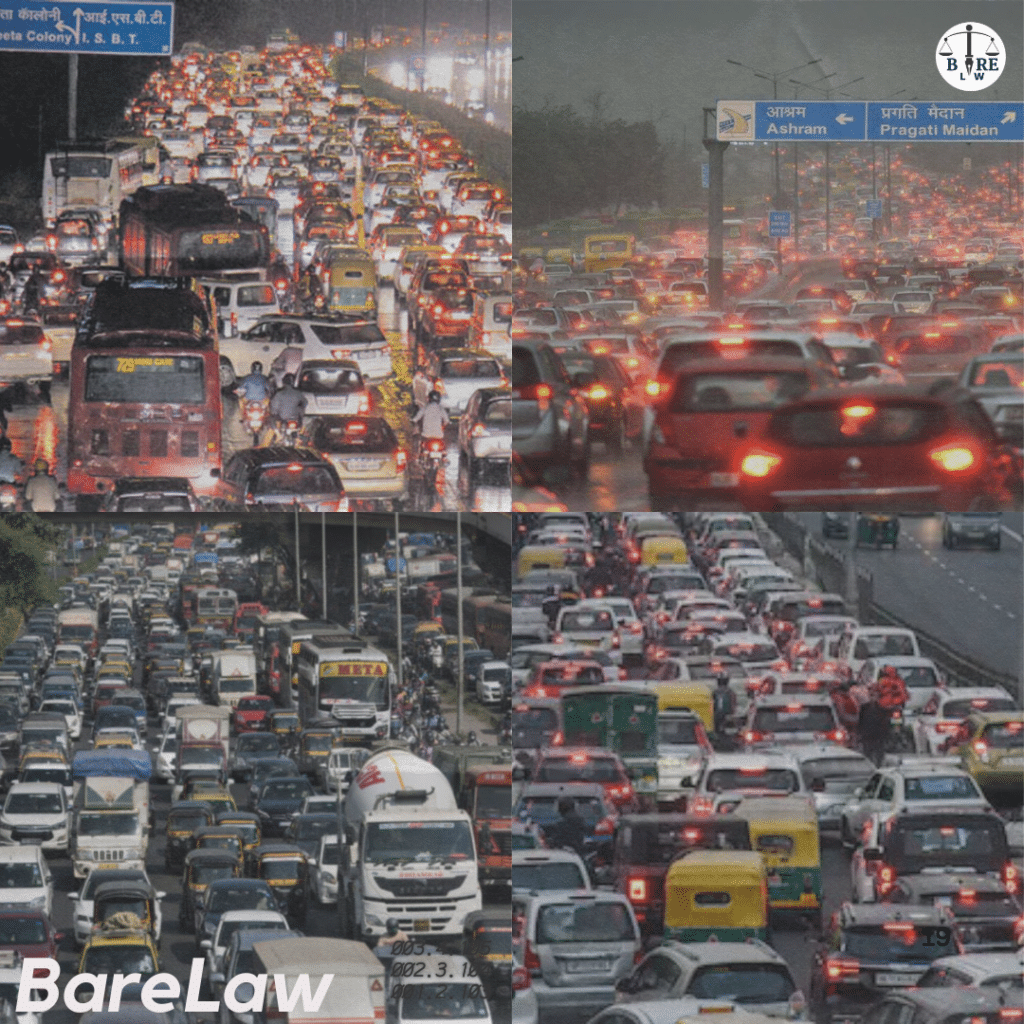
In Delhi “25.5 Kms in 1.5 Hours” Amid Protests In Noida
The ‘Delhi Chalo’ protest by farmers, demanding fair compensation and policy reforms, caused massive traffic disruptions in Delhi, highlighting the…