
The Himachal Pradesh High Court's recent ruling, affirming children’s rights to birth certificates irrespective of their parents’ marriage status, highlights critical social issues.
If You Are A Child Born From An Invalid Marriage: What Legal Actions You Can Take
In a recent judgment, the Himachal Pradesh High Court held that a child cannot be deprived of a birth certificate because their parents’ marriage was Invalid, unregistered, or declared void under the law. Justice Jyotsna Rewal Dua explained that while for the parents, there may be no marriage, a child’s rights are equally existing and have to be protected.
Understanding Invalid Marriages in India
In Indian law, an invalid marriage does not satisfy the Application of Legal Requirements of marriage to begin with and, therefore, is ineffective on its face. The Hindu Marriage Act 1955 outlines specific conditions for a valid marriage, including:
- Monogamy: A man cannot marry a woman with a loving husband, and a woman cannot marry a man with a loving husband.
- Mental Capacity: Both parties should be able to consent to the contract.
- Age: They have to be valid; the bridegroom should be not younger than 21 years old; the bride should be no younger than 18.
- Prohibited Relationships: The parties to the contract should not be situated in a degree of kindred prohibited by law except if custom permits it.
The marriages which fall short of these conditions are sham ones. For instance, the marriages that took place under Section 11 of the Hindu Marriage Act, which are bigamous marriages where any of the parties has a living spouse, are void.
Rights of Children Born from Invalid Marriages
In the past, children resulting from invalid marriages were social outcasts and had legal problems. However, legislative reforms have sought to protect their rights:
- Legitimacy: According to the provisions of section 16 of the Hindu Marriage Act, 1955, all children are begotten or to be begotten of the body of any person existent or intended to be covered by a void or voidable marriage shall be legitimate to all intents and purposes.
- Inheritance Rights: The Indian Supreme Court has held that such children have rights to inherit their parents’ property, such as ancestral property, as well as self-acquired property, but not the ancestral property of coparceners.
The laws provide legal protection to such children, but society does not accept them; hence, they will be discriminated against when they are out for social interactions or competing for certain opportunities.
Overview of the Hindu Marriage Act and Special Marriage Act
The Hindu Marriage Act of 1955 provides for the marriage and divorce of Hindus, Buddhists, Jains, and Sikhs living in India. It covers the conditions under which marriages are considered lawful, the process of dissolving a marriage, and arrangements for spousal support.
The Special Marriage Act of 1954 allows civil marriage to anyone other than their religion. It permits people to have civil marriages and those who are in an interfaith marriage. The Act captures the processes of registration, the requirements for marriage, and the processes for dissolution of marriage and maintenance.
Consequences for Parents in Invalid Marriages
Parents in invalid marriages may face several legal and social challenges:
- Legal Status: It denies the existence of the marriage in terms of legal rights concerning the distribution of property and use of marital property and alimony and recognition of spouses.
- Social Stigma: Popular culture may isolate people in invalid marriages or deny them some rights.
- Parental Rights: As the marriage is becoming void, the status of parents to their children is not affected. They showed that both parents have legal responsibilities of paying child support and providing for the children.
The decision of the Himachal Pradesh High Court should be viewed in relation to the legalisation of marriage and the rights of children born out of such marriage. This reaffirms that all children must and should be protected and respected, as the law on marriage protects none, leaving out children of divorced parents.
Social Stigma and Legitimacy of Children
- Stigma Around “Illegitimacy”: However, children born in non-formal marriages and uninsured are socially ostracized in Indian society. Such a situation can culminate in unfair treatment within learning institutions and social interactions and may go up to extended families. Proposing avenues through which societal attitudes toward embracing the rights and worth of all children irrespective of the parent’s marital status is essential to discuss.
- Community Education: Community programmes can play a crucial role in changing the public’s perception of the rights of children and enhancing a positive attitude towards families who are not ‘normal families’.
Gender Inequality in Marriage and Parental Rights
- Double Standards for Women: Unrecognized women in relationships suffer higher scrutiny than men and face stigma and rejection. They may lack the capacity to demand rights for themselves or their children because society dismissed their gender, thus the need to consider the impact of gender in judgments concerning relationships and family status.
- Parental Rights: In cases of a legally unclear relationship, there may be some problems with custody, inheritance, or visitation rights. It is all the more important to guarantee that both mothers and fathers in non-traditional partnerships can do so on equal terms.
Legal Reform for Modern Family Structures
- Updating Marriage and Family Laws: Most common marriage laws in India are founded on the legal principles of the middle of the twentieth century, which does not mean that they fit the modern family diversity. It is thus evident that legal reform can bend the rights of children, rights of parents, and succession in a manner that will conform to the current society.
- Non-Traditional Families: To keep up with evolving norms, it is necessary to recognize diverse family models, including single-parent families, live-in relationships, and marriages without registration, in a way that respects the rights of children.
Mental Health Impacts on Children and Parents
- Psychological Well-being of Children: The vices of social labelling and legal problems that arise from children born in unions other than traditional ones can affect self-esteem and psychological fitness. Societal structures, including parents, teachers, and the justice system in schools, communities, and policies, should encourage the celebrations of such children.
- Parental Stress: The overall psychological well-being of parents in invalid or unrecognized marriages is affected in terms of social exclusion, legal vulnerability, and financial greenhouse. Some programs in counselling and community involvement can help people cope with emotional needs and other stress indicators.
Role of Panchayats and Local Authorities in Upholding Child Rights
- Awareness and Training for Local Authorities: In most areas, Local Panchayats and registries are the first touchpoints for families to register births or seek benefits. For the authorities to treat all children equally, it is important to sensitize these officials on matters regarding human rights and anti-discrimination.
- Panchayat’s Role in Social Integration: Non-traditional families need not be stigmatized. Long-time residents must embrace grassroots civil society institutions such as Panchayats, which can pressure the local government to change its policies to benefit all citizens.
6. Need for Broader Public Awareness Campaigns
Legal Literacy: It reminds people about illegitimate nonsense and provides the inhabitants with necessary information concerning their descendants’ rights.
Legal Literacy: Extended awareness of people on some of the basic legal rights such as marriage, children, and family helps families fight for their rights from different legal bureaus.
FAQ
1. What did the Himachal Pradesh High Court rule in this recent case?
The court ruled that children cannot be denied birth certificates due to their parents’ marriage being unregistered or void, asserting that every child deserves recognition and protection under the law.
2. What is considered an invalid marriage in India?
An invalid marriage is one that does not meet legal requirements, such as cases of bigamy or underage marriage. Under Indian law, these marriages are void and thus lack legal standing.
3. How does Indian law protect children born from invalid marriages?
Section 16 of the Hindu Marriage Act ensures that children born from void or voidable marriages are treated as legitimate, granting them rights similar to those of children from legally valid marriages.
4. What challenges do children from invalid marriages face?
Social stigma remains a significant challenge, affecting children’s social experiences, mental well-being, and future opportunities despite legal protections.
5. Why is gender equality important in these discussions?
Women often face harsher judgments and limited rights in cases of invalid marriages, impacting their ability to claim rights for themselves and their children. Addressing this inequality can create fairer support structures for all parents.
6. How can Panchayats and local authorities support children’s rights?
Local authorities, including Panchayats, play a crucial role in registering births and facilitating access to benefits. Training and awareness initiatives can help ensure fair treatment and protect children’s rights at the local level.
7. How can public awareness campaigns help?
Campaigns against stigmatization and legal literacy initiatives can promote understanding of children’s rights and help families better navigate the legal system, leading to greater societal acceptance of diverse family structures.
8. Why is legal reform necessary for modern family structures?
Legal frameworks need updates to reflect contemporary family dynamics, ensuring that rights and protections extend to all children and families, regardless of their structure or the legal status of parental relationships.

A Dirty Condom Can Save Your Hotel Expense
A 21-year-old in China scammed over 300 hotels by fabricating hygiene complaints, exposing vulnerabilities in the hospitality industry and underscoring…
How Your 3 Year Old Can Start A Startup
Balancing parenthood and entrepreneurship is a complex journey, as highlighted by the co-founders of YourDOST, Puneet Manuja and Richa Singh,…

How Do Airplanes Land In A Cyclone
Cyclone Fengal made landfall in northern Tamil Nadu and Puducherry, causing heavy rainfall, aviation disruptions, and localized damage, underscoring the…
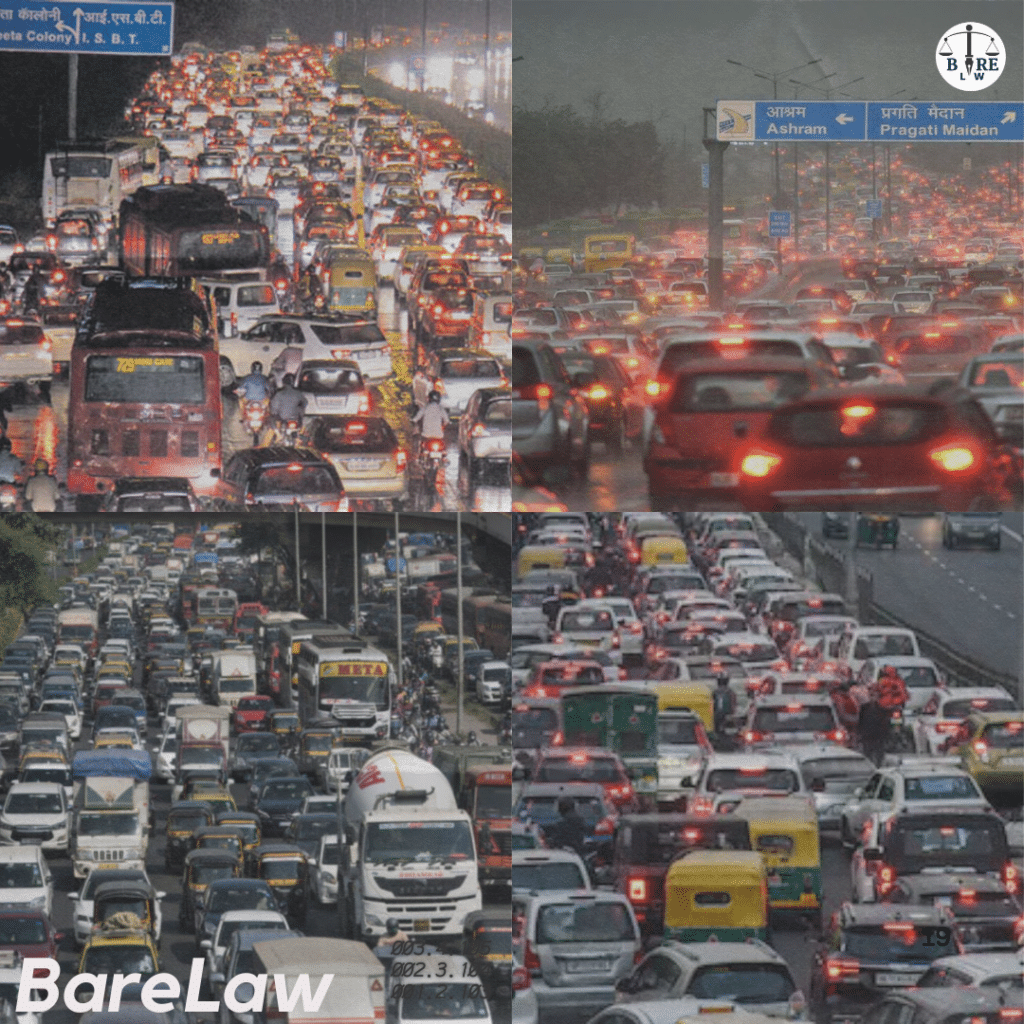
In Delhi “25.5 Kms in 1.5 Hours” Amid Protests In Noida
The ‘Delhi Chalo’ protest by farmers, demanding fair compensation and policy reforms, caused massive traffic disruptions in Delhi, highlighting the…