Table of Contents
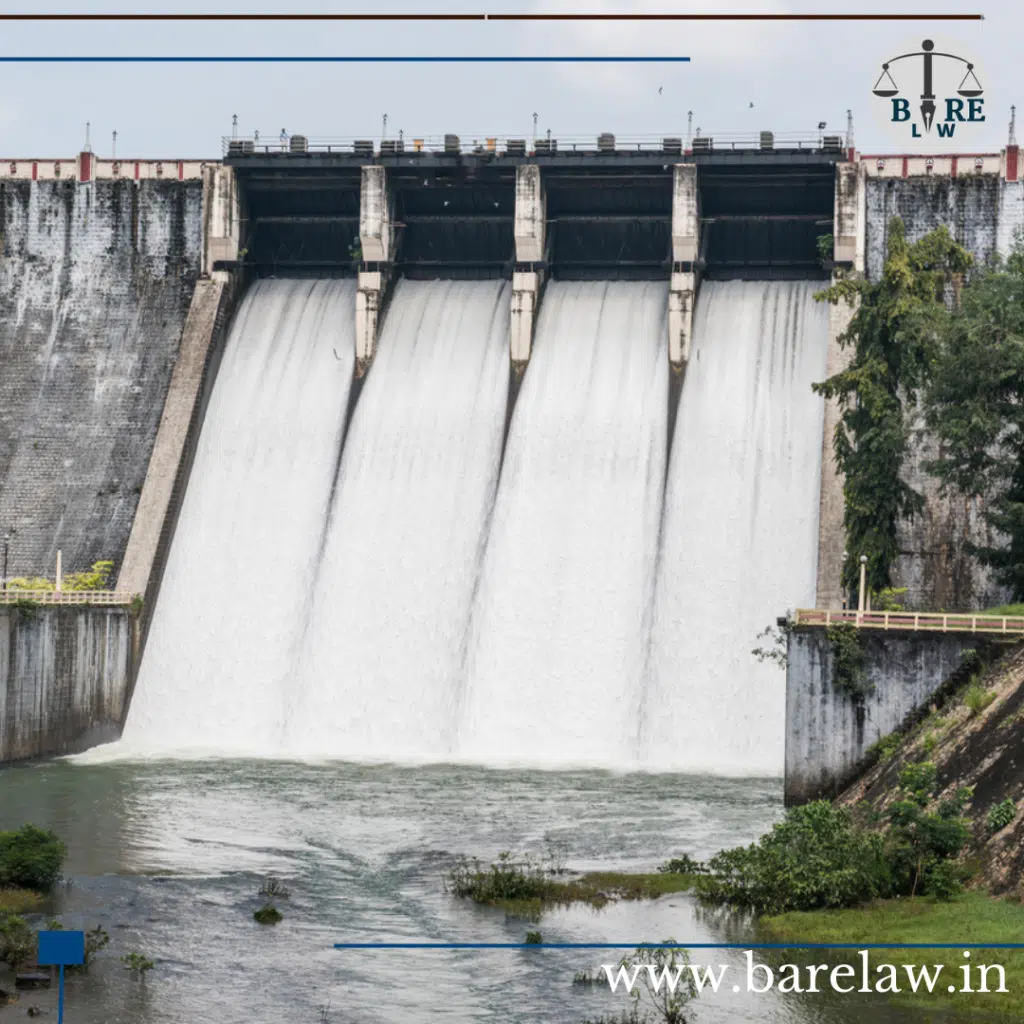
After Haryana Dam Discharge, Yamuna Swells Near Delhi.
After Haryana Dam Discharge, Yamuna Swells Near Delhi.
New Delhi: Heavy rain across north India has brought the region to its knees, causing widespread damage and claiming more than 37 lives over the past three days.
As a result of Haryana releasing additional water into the Yamuna from the Hathnikund barrage, the water level in Delhi has increased to 206.32 metres, which is well beyond the danger mark of 205.33 metres, which was passed late last evening.
According to the authorities, the river hit the danger line sooner than they had anticipated. They said that because Haryana is releasing additional water today, the Yamuna would continue to swell for the following twenty-four hours.
The level of the Yamuna at its highest flood stage is 207.49.
People living in low-lying areas that are thought to be at risk of flooding have been forced to evacuate by the authorities, who have begun the process. They will be relocated to shelters and community centres located in various areas of the city as a relief effort.
The administration of Delhi has established sixteen control centres to monitor flood-prone districts and the water level of the Yamuna, and Chief Minister Arvind Kejriwal has proposed a variety of actions to address the issue of waterlogging in the city.
At a news conference, Mr. Kejriwal stated that this year marked the first time in the past four decades that Delhi has experienced such intense rainfall. “The last time it rained as much as this was back in 1982 when there was 169 mm of rainfall in a 24-hour period. Therefore, we are experiencing rainfall on a scale that has never been seen before, and regrettably, the drainage system in the city is not intended to deal with rains of this magnitude, he explained.
The meteorological service has forecasted additional bouts of intense rainfall for the Indian states of Himachal Pradesh, Jammu and Kashmir, Uttarakhand, Haryana, Delhi, Uttar Pradesh, and Rajasthan.
The Indian Army and the National Disaster Response Force have increased their efforts to provide relief and rescue in the states that have been hit hardest by the heavy rain that has blanketed practically the entire region of north India.
A number of the region’s rivers are experiencing flood levels. In cities and towns, many roads and buildings remain submerged in knee-deep water.
There was no letup in the monsoon fury in Himachal Pradesh on Monday, with landslides and flash floods, both of which were generated by the nonstop rain, causing damage to houses and properties worth hundreds of billions of rupees. Himachal Pradesh was the state that was struck the most by the rain fury.
Prime Minister Narendra Modi has spoken to Chief Minister Sukhwinder Singh Sukhu, assuring him all help and support.
It has been raining nonstop in Uttarakhand, which has resulted in multiple roads and highways being closed, and there have been reports of the water level in rivers reaching or surpassing the danger mark.
Heavy rain in a number of regions of Rajasthan, Punjab, and Haryana caused extensive waterlogging and flooding in low-lying areas, which prompted the authorities to take action in the districts that were most severely affected by the disaster.
The severe monsoon rains in Rajasthan brought normal life to a halt, as they flooded roads, rail tracks, and even hospitals. Today is likely to bring the state even more rain showers.
According to the forecasters at the meteorological service, the strong spell was brought on by the convergence of a western disturbance and monsoonal winds.