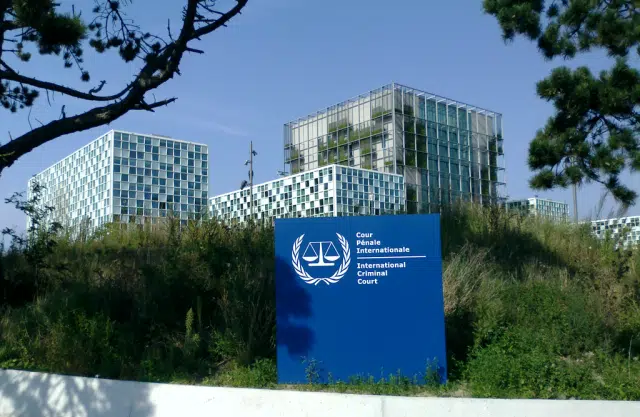
A former high-ranking Russian military intelligence officer is prepared to provide crucial testimony at the International Criminal Court (ICC) regarding war crimes committed in Ukraine. The officer, who has chosen to remain anonymous, is expected to offer firsthand accounts of atrocities committed against Ukrainian civilians, including child abductions.
This bombshell revelation marks a significant development in the ICC’s ongoing investigation into Russia’s potential war crimes in Ukraine. The officer’s insider knowledge could shed light on the chain of command within the Russian military, potentially implicating senior officials, including President Putin himself.
The officer’s testimony is likely to focus on his own experiences and observations during his deployment in Ukraine. He is expected to detail instances of indiscriminate shelling of civilian areas, deliberate targeting of medical facilities, and the systematic abduction of Ukrainian children.
The ICC’s investigation into Russia’s actions in Ukraine began in March 2022, shortly after the invasion commenced. The court has since gathered a substantial amount of evidence, including witness testimony, satellite imagery, and intercepted communications. The officer’s testimony is expected to be a major piece of the puzzle, providing concrete details about the specific orders given and actions carried out by Russian forces.
The officer’s decision to come forward is a courageous one, as he faces potential reprisals from the Russian government. However, he has reportedly been motivated by a desire to expose the truth and hold those responsible for war crimes accountable.
The ICC’s eventual ruling on Russia’s actions in Ukraine could have far-reaching implications. If the court finds Russia guilty of war crimes, it could impose sanctions on the country and hold individual perpetrators accountable. The officer’s testimony could play a pivotal role in securing such a conviction.
The world is watching closely as the ICC prepares to hear the former Russian officer’s testimony. His account could be a turning point in the quest for justice for the victims of Russia’s war in Ukraine.