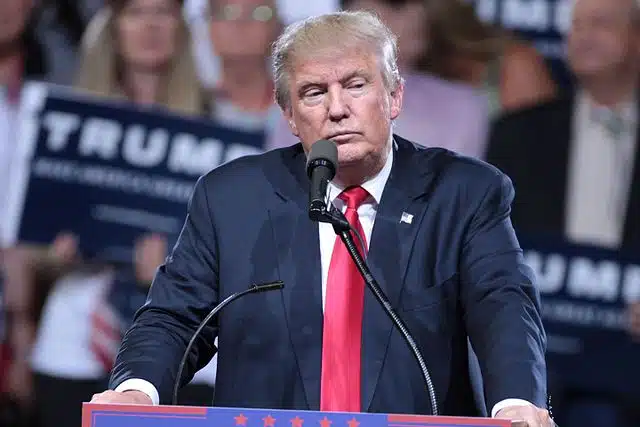
Federal Judge Rejects Trump’s Presidential Immunity Claim in 2020 Election Interference Case
In a landmark decision, US District Judge Tanya Chutkan dismissed former US President Donald Trump’s claim of presidential immunity in the ongoing 2020 election interference case. This ruling marks a significant turning point in the legal proceedings against Trump, who faces four criminal charges related to his alleged attempts to overturn the 2020 presidential election results.
On October 5, Trump filed a motion to dismiss the case, invoking “absolute immunity” from criminal prosecution for actions taken within his presidential duties. He argued that his efforts on January 6, 2021, were integral to his role as President. The government, in response, contested these claims in a motion filed on October 19.
Judge Chutkan’s ruling on Friday refuted Trump’s interpretation of the law. She emphasized that the US Constitution does not provide former Presidents with special immunity from federal criminal liability. Chutkan particularly highlighted that there was no constitutional basis to suggest that a former President could only face criminal charges if they had been impeached and convicted by Congress.
Addressing Trump’s concerns about the potential chilling effect on presidential decision-making, Chutkan noted that such considerations hold less weight in the context of a former President’s prosecution. She referenced historical Supreme Court decisions from the Nixon era, underscoring that a President of integrity should not fear legal repercussions for lawful decision-making.
Moreover, Chutkan dismissed Trump’s apprehension that denying presidential immunity would lead to excessive litigation against former Presidents. She clarified that her decision was specific to this case alone, not setting a general precedent.
In her concluding remarks, Judge Chutkan stated, “Every President will face difficult decisions; intentionally committing a federal crime should not be one of them.” By denying Trump’s motion to dismiss, she reinforced the importance of upholding the law and deterring crime.
This case is one of four criminal trials involving Trump, encompassing 91 charges. The charges against him in this trial include four counts of obstruction for allegedly conspiring to and participating in efforts to subvert the 2020 US presidential election results. Despite pleading not guilty in August and continuously denying the charges, the trial is set to proceed, with a scheduled date of March 4, 2024.
This ruling has significant implications for the legal framework surrounding presidential immunity and the accountability of public officials. It establishes a precedent that even the highest office in the land is not above the law.