
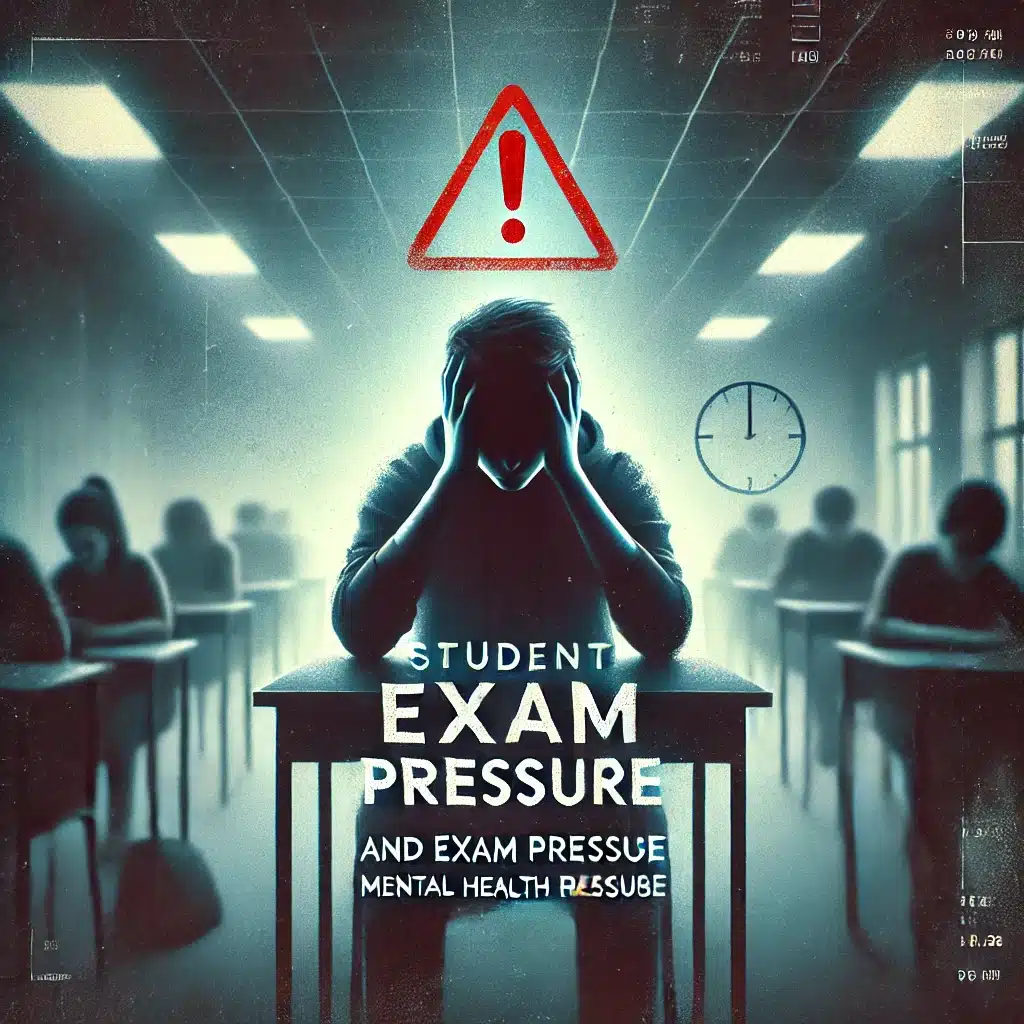
This article examines the mental health challenges students face due to intense pressure from competitive exams like JEE and NEET, sparked by a recent incident in which a 17-year-old Delhi student took her life after not passing the JEE.
Table of Contents
The recent sad event where a 17-year-old girl from Delhi committed suicide because she failed in the JEE (Joint Entrance Examination) showed the strong pressure under which young students in India are today. A student thousands of you are working hard to get good scores as the entry point to success, especially focused examinations like JEE or NEET, which have been central to deteriorating mental health conditions. This article looks at the social cost of examinations, challenges the efficacy of exams as an academic measurement, and raises the possibility of what parents, society and policymakers can do to foster a healthier climate for young people.
Exams Can Take Your Life| JEE And NEET
How Competitive Exams Impact a Student’s Mental Health
The exam seems to hurt the student’s mental health, but competitive competitive exams affect the student’s mental health in a positive way. JEE and NEET are two of the hardest exams out there, with massive curricula and admission processes meant to select a few candidates, even for the best universities. The pressure to succeed can lead to:
- Anxiety and Depression: Created by failure and considering the disapproval of peers and family, such feelings make a person inadequate, which causes anxiety or even depression.
- Isolation: Several students spend many hours of individual group study, a time during which they do not interact with other people or receive emotional support, and thus can likely develop feelings of loneliness.
- Physical Health Issues: Stress levels during exams are known to affect sleep, eating habits, and exercise, leading to burnout and other health issues.
- Long-Term Mental Health Effects: Habituating the kid into extreme pressure at such a tender age isn’t healthy for their lifetime mental health, esteem and strength.
In brief, these students pay a price to perform well in their exams, which affects them as they develop poor health.
Are Competitive Exams Like JEE or NEET Really the Best Way to Assess Knowledge?
Such competitive examinations aim to test certain important academic abilities but fail to consider other equally significant qualities, like thinking ability, innovative ability, and interpersonal communication skills, to master a particular occupation. Some key critiques include:
- Narrow Definition of Intelligence: Unlike examinations that cater for learners’ understanding and problem-solving ability, these exams only require rote learning and memorization.
- Overlooking Diverse Talents: Typically, it is mandatory that not all students perform well in bookish knowledge. This is bad because by only testing students’ knowledge, the system denies other abilities that people could harness and use in areas such as arts, humanities and vocation.
- Pressure on Young Minds: Since the overall student pass rate in such exams remains extremely low, the system programmatically prepares most students for failure, regardless of their skills and talent.
This limited concept of schooling success implies that there must be regular changes in that mode of evaluating students and developing a well-rounded picture of each student’s talent profile or interests.
How Should Parents Support Their Children Preparing for These Exams?
The level of pressure a child receives in school is influenced by the parent and can either be a positive addition or a negative one. To best support children:
- Promote Open Communication: Professionals advise parents to ask their children about their feelings on the exam and any stress they may be feeling.
- Emphasize Effort Over Outcome: Rewarding high performance based on effort rather than productivity will ensure that children who scored low are also appreciated.
- Avoid Comparison: Constant ranking in children only lowers their self-esteem. Parents should appreciate their child’s process and celebrate their abilities and accomplishments.
- Model Self-Care and Resilience: This method educates children on handling stress and maintaining balance in their lives, which helps them develop good coping behaviours.
- Seek Help When Needed: If a child is troubled, there is no reason why parents should not take the weak child for counselling or therapy, as it provides professional advice.
By learning about emotions and strengths, parents can help children cope with stress and develop a more productive attitude toward success and failure.
Legal Aspects of Student Suicide and Mental Health
India has decriminalized suicide attempts under the Mental Healthcare Act of 2017, which acknowledges mental health issues as a legitimate concern rather than a criminal act. This act aims to provide mental health support to individuals struggling with suicidal thoughts rather than punishing them. Additionally:
- Mental Health Support in Schools: Many advocacy groups are pushing for mandatory mental health counselling in schools to address stress and mental health issues proactively.
- Child Rights and Parental Responsibility: Under the Juvenile Justice Act and the Protection of Children from Mental Health Challenges, parents are encouraged to ensure their children’s mental well-being. While there are no direct legal repercussions for parents, they can face social and ethical scrutiny.
- Educational Institutions’ Role: Institutions are encouraged to provide mental health resources and promote mental wellness, as they bear a responsibility for their students’ emotional and mental well-being.
Future Actions to Address Mental Health in Academic Settings
To prevent further tragedies, society, educators, and the government can take several actions:
- Integrate Mental Health Education into Schools: Schools need to develop effective health promotion programs that include teaching tactical lessons and setting up counselling sessions, most particularly during the delicate examination period.
- Reevaluate Competitive Exam Structures: It would be possible for authorities to think about the diversified portfolio-based assessment or aptitude-type tests, which would incorporate a far wider range of approaches than is offered in the present case with the multiple-choice examinations only.
- Promote Alternative Pathways: Every school should illustrate the different occupations and give an insight into non-conventional professions to ensure that the students will know that there is hope for everyone.
- Support for Parents: Educational programs that explain mental health and ways parents can help their children during critical times can be devised.
- National Awareness Campaigns: Educational programs to dispel this perception may help students report to management when they need support and decrease the pressure to perform in school.
Conclusion
The government’s promotion of high-intensity competitive examinations causes extra pressure on students and sometimes harms mental health. In other words, simply growing the role of supportive parenting, redefining the approach to academic evaluation inclusive of more children, and raising mental health awareness ensures that the educational climate evolves to become healthier and more supportive. These problems must be recognized by society and addressed, not ignored, just to keep pushing people and labelling success to avoid a repeat.
FAQ
1. How do competitive exams impact a student’s mental health?
Competitive exams can lead to stress, anxiety, depression, and isolation due to intense academic pressures and the fear of failure. The high-stakes nature of these exams often has a lasting impact on mental well-being.
2. Are exams like JEE and NEET the best way to assess academic knowledge?
These exams primarily focus on rote learning and narrow skill sets, often overlooking other valuable abilities like creativity and critical thinking. Many argue they’re not comprehensive measures of a student’s full potential.
3. How should parents support their children during exam preparation?
Parents should focus on open communication, celebrate effort over results, avoid comparisons, and seek professional support if needed. Encouraging resilience and providing emotional support helps children manage exam stress better.
4. Are there legal protections related to suicides due to mental health issues, especially in minors?
Yes, the Mental Healthcare Act of 2017 decriminalizes suicide attempts and mandates mental health support. Schools are also encouraged to provide counselling and mental health resources for students.
5. What future actions could reduce the mental health burden of competitive exams?
Recommended actions include integrating mental health education into schools, reassessing exam structures, promoting alternative career paths, supporting parents, and running national awareness campaigns to destigmatize mental health issues.