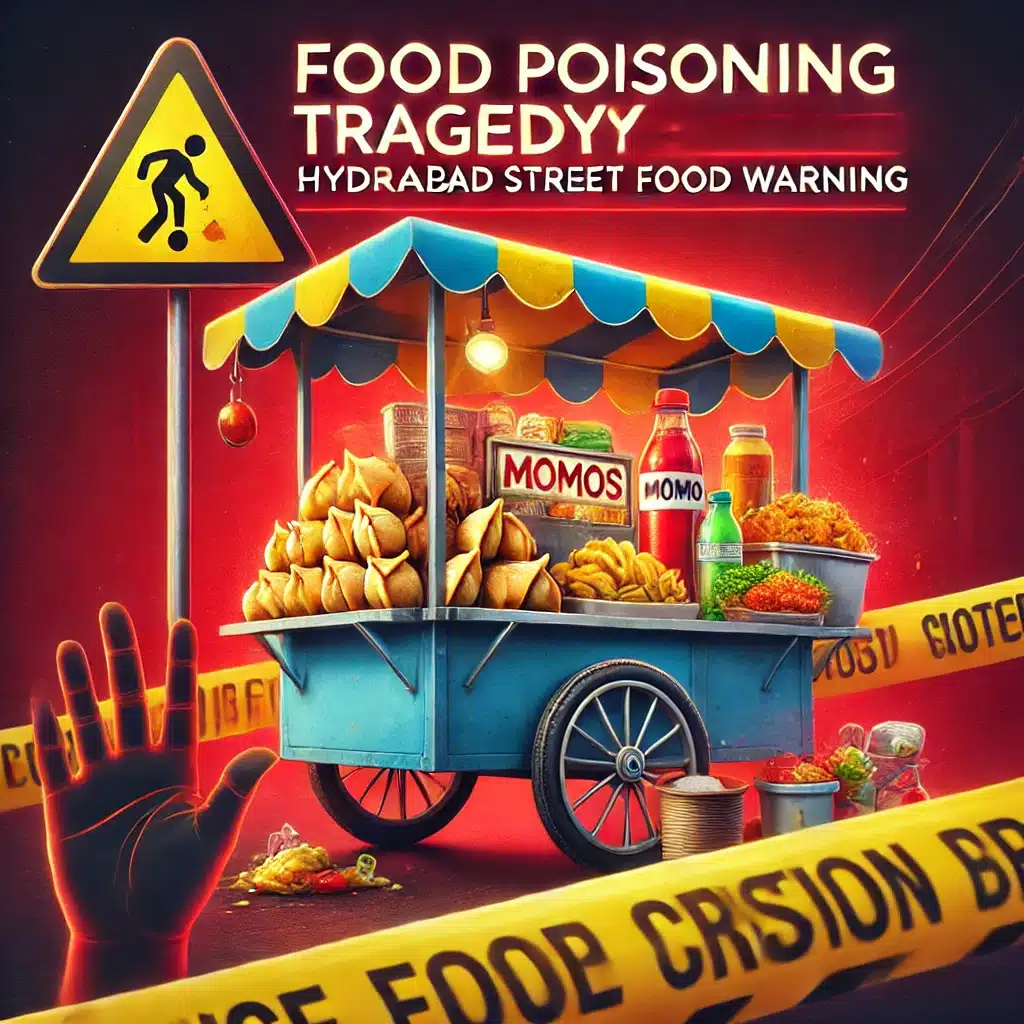
A recent food poisoning incident in Hyderabad tragically led to the death of a 33-year-old single mother, Reshma Begum, and left 20 others severely ill after consuming momos from a street vendor. An investigation revealed that the vendor operated without a food safety license and prepared food in unsanitary conditions, including storing dough in a broken refrigerator.
Do Not Eat Momos On The Street
The case of the fatal food poisoning last week in Hyderabad, where thirty-three-year-old Reshma Begum died from using the street food momos and twenty others suffering severe poisoning, drew attention back to the matter of food hygiene in selling prized street foods. Reshma Begum’s two daughters, a 12-year-old and a 14-year-old, developed food poisoning symptoms at home after consuming the momos they bought from a streetside vendor in Banjara Hills, Khairatabad. As for her daughters, they continue receiving treatment, and Reshma’s death has brought a lot of uproar and demanding stringent measures for hygiene requirements for vendors selling foods on the streets.
In a probe launched to offer an explanation, officials found that the vendor didn’t own a food safety license and the small ‘kitchen’ environment was anything but clean. Causes like poor hygiene in food storage, ineffective and poor cooling conditions, poor practices and handling of food items were evident and wanton causing this fatal event to happen, there is the need for enhanced compliance with food safety regulatory laws and the public awareness.
1. Uncovering the Causes: What Led to the Fatal Food Poisoning?
This case appears to be a result of a confluence of food safety failings:
- Lack of a Food Safety License: The vendor was arrested with no license for food vendors as required by the law. This license normally guarantees that the vendor undertakes minimum food safety training courses and practises standard hygiene practices in handling food.
- Unhygienic Preparation and Storage: The audit found it unfitting that the dough for the momos was left without packaging in a damaged refrigerator. This improper storage fosters bacterial growth, especially when the refrigerator cannot maintain stable cold temperatures. Other germs, such as Salmonella, E. coli, and Listeria, found in food products that are not stored properly, can develop in such conditions, causing severe foodborne diseases.
- Use of Contaminated Ingredients: When purchasing ingredients, a vendor might unintentionally procure contaminated foods, which could lead to food-borne pathogenic contamination. This case shows that inappropriately stored food items increase contamination risks since moisture, frost, temperature change, and light adversely affect grains.
These are probably some of the causes of this sad story, and similar incidences have been reported in other places, especially where there is poor supervision over food hygiene and producers and sellers may not have adequate knowledge of hygiene factors.
2. Understanding Food Poisoning: Causes, Symptoms, and Health Impacts
Food poisoning occurs when food or drink contaminated with harmful bacteria, viruses, parasites, or toxins is ingested. Common causes include:
- Pathogens: E. coli, Salmonella, Listeria, and Staphylococcus are common and produced in unsafe foods.
- Improper Food Handling: That is why food that is left out, … foods that are not cooked to the right temperature or equipment that is not clean can become tainted.
- Poor Sanitation: Failure to wash hands before preparing food, using the same utensils to prepare different foods because of convenience and poor cleaning are other causes of contamination.
Symptoms and Health Impacts
Signs and symptoms of food poisoning depend on the pathogen, but common signs include vomiting, nausea, abdominal pains, and diarrhoea. In severe cases, sometimes accompanied by a weakened immune system, children, the elderly, and anyone with a compromised immune system, including those in this food poisoning case, may develop severe conditions such as dehydration, kidney failure or death.
Solutions and Remedies
It is therefore laudable that different ways of preventing food poisoning are mainly through handling, preparation and storage, and cooking of foods, all in a clean environment. Being conscious and getting an education is important to both vendors and consumers. Post ingested management usually entails administration of oral sodium solution, use of over-the-counter antiemetic compounds and hospitalization due to dehydration and its complications.
Outcomes of Safety Practices
Various studies have shown that food hygiene laws in cities have produced positive effects, reduced incidences of illnesses caused by food poisoning, serious enforcement of the principles observations of food safety policies, and educated the vendors and the consumers regularly. The WHO recommends the “Five Keys to Safer Food” program; these guidelines include cleaning, separating foods, especially meat, from other foods, properly cooking foods, especially the meats, refrigerating foods at safe temperatures, using safe water for food preparation and using safe raw materials.
3. Legal Framework and Actions: What the Law Says
The Food Safety and Standards Authority of India (FSSAI) manages Indian food safety by implementing the Food Safety and Standards Act of India, 2006. This act requires any person or company that sells food, including street vendors, to have a valid license in food hygiene. The law also ensures that vendors have clean and proper handling and storage conditions for the food they intend to sell.
Similarly, in the case of Reshma Begum, the authorities arrested the cheap food vendor and lodged a case under Section 304-A Part-II of the Pakistan Penal Code where the cause of the death other than, or arising out of, bodily injury, is gross negligence in preparation, storage or sale of food. The FSSAI can cancel, suspend or penalize licenses and shut down businesses that do not maintain hygienic quality standards. Some of these laws are implemented by municipal authorities like the Greater Hyderabad Municipal Corporation (GHMC at the ground level. Most Indian cities are investing more efforts in the enforcement of vendor compliance, both through capacity building and periodic check-ups.
4. What to Do if You Witness Unhygienic Food Practices
The public can play an active role in promoting food safety by reporting vendors who do not adhere to hygiene standards. Here’s what you can do:
- Report to Local Health Authorities: If you observe a vendor violating food safety practices, you can file a complaint with local health authorities or municipal corporations. Many cities have dedicated helplines or online platforms for such complaints.
- Encourage Vendors to Maintain Cleanliness: Politely suggesting to vendors to follow cleanliness practices can sometimes make a difference, especially if they are unaware of certain hygiene measures.
- Consumer Awareness Initiatives: Support community-led initiatives that educate both vendors and consumers on food safety, which can have a lasting impact on food practices at the grassroots level.
5. Safety Tips for Consuming Street Food
Eating street food can be an enjoyable experience, but it’s important to prioritize health and safety. Here are a few precautions to consider:
- Choose Vendors Wisely: Search for vendors with clean, properly arranged stalls and clean preparing and cooking areas, respectively. Certified vendors are always the best when one is available in the market.
- Observe Food Handling Practices: Do not buy from stalls where the vendor is in contact with food with bare hands or after touching money or other contaminants.
- Check for Freshness and Proper Storage: Perishable foods must be kept in functional, clean and in proper storsafe refrigerator units or cooler places. Raw and cooked foods should also be stored separately for instance raw foods should not be placed at the same shelf as the cooked foods.
- Opt for Hot and Freshly Prepared Foods: Dishes that are cooked at high temperature immediately before serving are a bit safer because heat kills most pathogens.
- Be Mindful of High-Risk Foods: Foods such as dairy products, seafoods or undercooked foods are most likely to be contaminated with bacteria. When purchasing such items they should be particularly cautious and avoid purchasing from street hawkers.
Conclusion
Hyderabad tragedy of food poisoning is an eye opener to all the parties vested in the food business, especially the hawkers. This tragedy is very saddening, and taking measures to prevent such kinds of mishaps in the future is very important, including adherence to the appropriate food hygiene measures, training of the vendors and observation of the general public. This way, both the authorities and the public can take the steps needed for those experiences to remain enjoyable and delicious – not deadly street food experiences.
Frequently Asked Questions (FAQ)
Q1. What caused the food poisoning incident in Hyderabad?
A1. The incident was likely caused by the street vendor’s poor food safety practices, including unsanitary preparation and improper storage. The dough used for momos was stored in a broken refrigerator without proper packaging, which can encourage bacterial growth and lead to food contamination.
Q2. What are the symptoms and risks of food poisoning?
A2. Food poisoning symptoms include nausea, vomiting, stomach pain, and diarrhea. In severe cases, it can lead to dehydration, kidney failure, and even death. Young children, the elderly, and those with weakened immune systems are at higher risk of complications.
Q3. What legal actions are applicable in this case?
A3. The vendor was detained, and a case of culpable homicide not amounting to murder has been filed. The Food Safety and Standards Authority of India (FSSAI) requires all food vendors to have a food safety license and adhere to specific hygiene standards. Violations can lead to fines, penalties, or license suspension.
Q4. What should I do if I see a vendor preparing food in an unhygienic way?
A4. You can report unhygienic food practices to local health authorities or the municipal corporation. Many cities have dedicated helplines or online platforms for reporting food safety concerns. Raising awareness about the importance of hygiene can also encourage vendors to adopt safer practices.