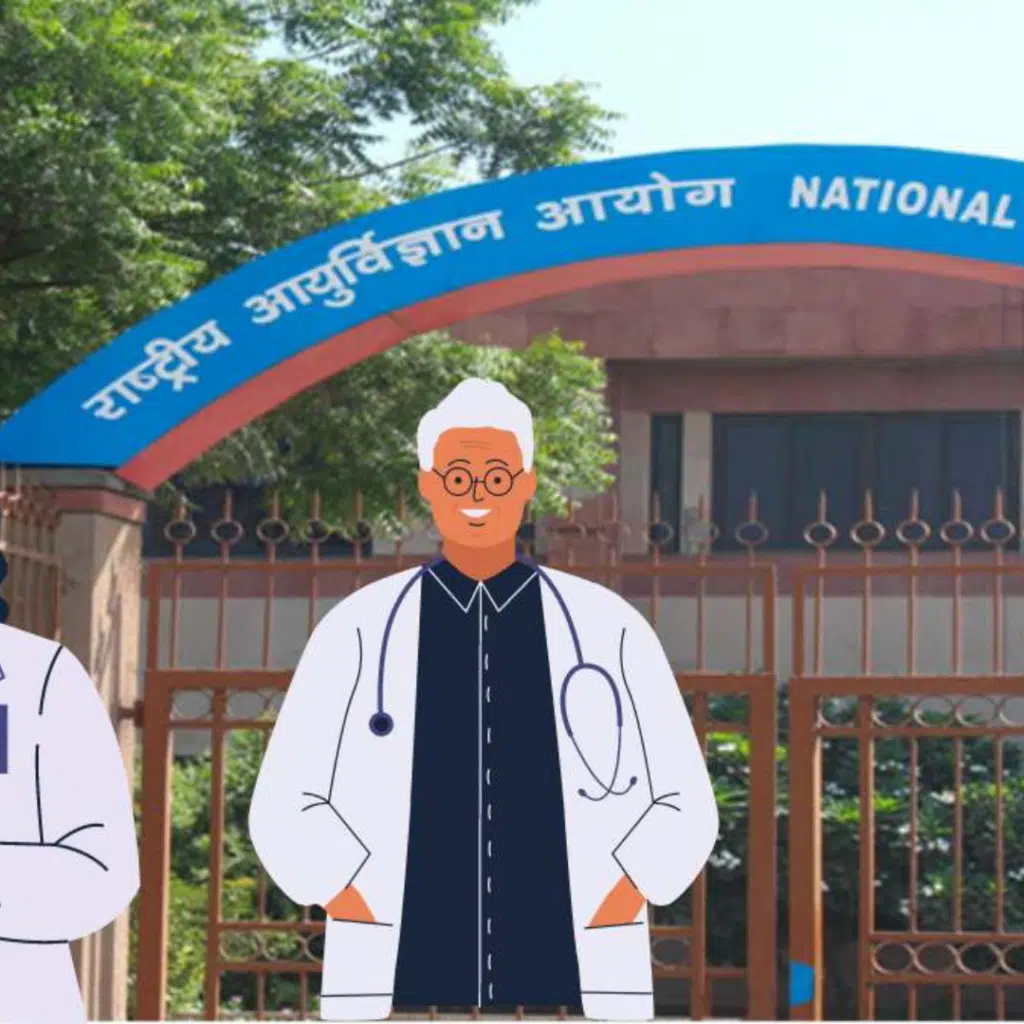
Delhi High Court Upholds Mandatory Registration for Allopathic Doctors with Delhi Medical Council
Table of Contents
In a major decision, the Delhi High Court recently upheld a Delhi Medical Council (DMC) notice that required allopathic doctors working in the nation’s capital to register with the DMC. The ruling in the Dr. Namit Gupta v. Delhi Medical Council & Anr case has significant ramifications for Delhi’s healthcare providers and practitioners.
The Division Bench, which included Justice Manmeet Pritam Singh Arora and Acting Chief Justice Manmohan, emphasized in its ruling the public interest served by placing medical professionals under the State Medical Council’s regulatory supervision. The Court stressed that in order to uphold professional standards and protect the public health, it is critical to hold negligent practitioners accountable for their actions and to permit disciplinary proceedings.
The main point of disagreement in the argument concerned the alleged inconvenience that results from doctors having to apply for DMC registration, particularly when they change jobs. Citing Regulation 9 of the Registration of Medical Practitioners and License to Practice Medicine Regulations, 2023, the Court rejected this claim. To address the perceived inconvenience, this regulation provides a simplified web portal-based registration transfer process between State Medical Councils.
The Court also addressed worries over possible registration duplication across several State medical authorities. It explained how new laws, notably the National Medical Commission Act of 2019 which replaced the Indian Medical Council Act of 1956, indicate a move toward limiting medical professionals to the states in which they are registered. In keeping with the intention of limiting and regulating practice within particular jurisdictions, the recently enacted regulations specifically permit registration with multiple State Medical Councils.
The Court’s rejection of Dr. Namit Gupta’s PIL upheld the necessity and legitimacy of the DMC’s notice, highlighting the significance of regulatory compliance for healthcare providers doing business in Delhi.
In conclusion, the decision rendered by the Delhi High Court in the case of Dr. Namit Gupta v. Delhi Medical Council & Anr highlights how crucial regulatory supervision is to the medical industry. The Court has reaffirmed the necessity for accountability and adherence to professional standards in order to ensure public safety and trust in healthcare services by upholding the DMC’s notice demanding registration for allopathic doctors.
FAQs:
Why did the Delhi Medical Council publish a notice requiring allopathic doctors practicing in Delhi to register?
In order to ensure public safety and uphold professional standards in the provision of healthcare, the DMC issued the notice in order to regulate and hold medical practitioners accountable for their actions.
How does the Court respond to doctors’ complaints about inconvenience, especially when it comes to changing jobs?
The Court notes Regulation 9 of the Regulations of 2023, which mitigates any alleged inconvenience by offering a convenient web portal-based method for transferring registration between State Medical Councils.
What modifications to the law affected the Court’s ruling on medical practitioners’ registration restrictions?
The National Medical Commission Act of 2019 and the Indian Medical Council Act of 1956 marked a change in the direction of limiting practitioners to the states in which they are registered, in accordance with the goal of regulating and limiting practice within particular jurisdictions.
Barelaw, an online platform dedicated to delivering comprehensive legal knowledge, proudly presents its exclusive category of case briefs. This section is meticulously crafted to offer insightful analyses of landmark judgments, providing a valuable resource for legal professionals, students, and anyone interested in understanding the intricacies of law. Our case briefs delve deep into pivotal court decisions, exploring the rationale behind each judgment and its impact on the legal landscape.
We understand that navigating the complexities of legal judgments can be challenging. That’s why our case briefs are designed to be both informative and accessible, ensuring that readers gain a clear understanding of the key legal principles involved. Each brief includes a summary of the facts, the legal issue at hand, the court’s reasoning, and the ultimate decision. This structured approach makes it easier for our audience to grasp the nuances of each case.
Our website is a treasure trove of legal wisdom, constantly updated with the latest and most significant cases. Whether you’re a law student seeking to enhance your knowledge, a practicing attorney looking for a quick reference, or simply a curious mind eager to understand the law’s evolution, Barelaw is your go-to destination.
Explore our case briefs and immerse yourself in the world of law. Visit our website now and discover the wealth of legal knowledge at your fingertips. The link is provided below for your convenience and direct access to our expansive legal database