Delhi High Court Grants SIT Extension in 1984 Anti-Sikh Riots Case Involving Congress Leader Kamal Nath
Table of Contents
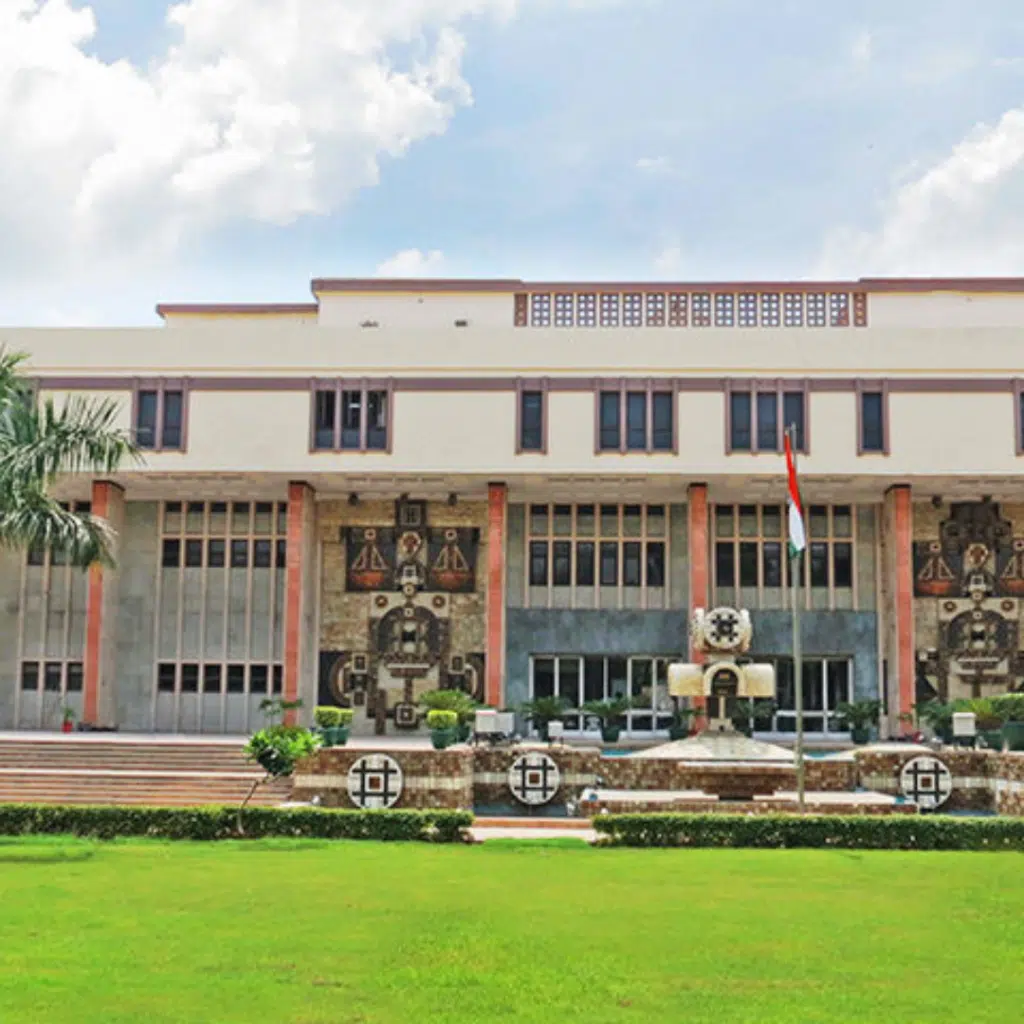
In a recent development that has reignited discussions around one of the most harrowing chapters in India’s history, the Delhi High Court has accorded the Special Investigation Team (SIT) an extension to submit its status report on the plea seeking action against Congress leader Kamal Nath for his alleged involvement in the 1984 anti-Sikh riots. This extension underscores the complexities and challenges in resolving cases that have lingered for decades, casting long shadows over the nation’s collective conscience.
Justice Swarana Kanta Sharma, presiding over the proceedings, was informed that the SIT, constituted by the Union Home Ministry, had yet to finalize its status report concerning the petition initiated by BJP’s Manjinder Singh Sirsa. The court’s directive on January 27, 2022, for the SIT to present the status report, highlights the judicial system’s proactive stance in addressing longstanding grievances and ensuring accountability.
The plea revolves around the violent onslaught against the Gurdwara Rakab Ganj Sahib during the tumultuous period of the 1984 riots, an event that remains etched in the memories of the Sikh community. Congress leader Kamal Nath, whose alleged involvement has been a subject of contention, has consistently denied any wrongdoing.
Manjinder Singh Sirsa’s petition underscores the demand for the SIT to act against Nath, linking him to an FIR lodged back in 1984 at the Parliament Street police station. Although the FIR named five individuals who were purportedly given shelter at Nath’s residence, they were later discharged due to insufficient evidence, with Nath not being implicated directly.
The SIT’s mandate, as per the Home Ministry’s 2019 notification, extends to re-examining seven cases related to the anti-Sikh riots that saw either acquittals or the conclusion of trials. This decision, influenced by Sirsa’s assertions regarding Nath’s alleged harboring of accused individuals, reflects a renewed commitment to unearthing the truth and ensuring justice for the victims.
Comprising two inspector general-rank IPS officers and a judicial officer, the SIT was established on February 12, 2015, following recommendations from the Justice (retd) G P Mathur committee appointed by the Home Ministry. This investigative body is tasked with a profound responsibility: to sift through the remnants of the past and bring clarity and closure to cases that have haunted the Sikh community for nearly four decades.
The 1984 anti-Sikh riots, a dark period triggered by the assassination of then-Prime Minister Indira Gandhi by her Sikh bodyguards, led to widespread violence and the loss of thousands of Sikh lives. The riots not only exposed the fragility of communal harmony but also highlighted the challenges in delivering justice amidst political and social upheavals.
As the SIT continues its painstaking work, the extension granted by the Delhi High Court serves as a reminder of the long road ahead in the quest for justice. It underscores the need for perseverance, thorough investigation, and the unwavering pursuit of truth to ensure that the victims of the 1984 anti-Sikh riots and their families find the closure they have long sought.
Conclusion: The extension granted to the SIT by the Delhi High Court is a significant step in the ongoing efforts to address the grievances stemming from the 1984 anti-Sikh riots. It reflects the judicial system’s commitment to ensuring thorough investigations and accountability, even in cases that have remained unresolved for decades. As the SIT works towards submitting its status report, the nation watches, hopeful for justice and closure in a case that has left an indelible mark on India’s history.
FAQs:
- What is the significance of the Delhi High Court’s recent decision regarding the 1984 anti-Sikh riots case?
- Who is Kamal Nath, and what is his alleged involvement in the 1984 anti-Sikh riots?
- What is the role of the Special Investigation Team (SIT) in the 1984 anti-Sikh riots cases?
- Why are the 1984 anti-Sikh riots considered a dark chapter in India’s history?
- What are the challenges in resolving cases related to the 1984 anti-Sikh riots?
Barelaw, an online platform dedicated to delivering comprehensive legal knowledge, proudly presents its exclusive category of case briefs. This section is meticulously crafted to offer insightful analyses of landmark judgments, providing a valuable resource for legal professionals, students, and anyone interested in understanding the intricacies of law. Our case briefs delve deep into pivotal court decisions, exploring the rationale behind each judgment and its impact on the legal landscape. We understand that navigating the complexities of legal judgments can be challenging. That’s why our case briefs are designed to be both informative and accessible, ensuring that readers gain a clear understanding of the key legal principles involved. Each brief includes a summary of the facts, the legal issue at hand, the court’s reasoning, and the ultimate decision. This structured approach makes it easier for our audience to grasp the nuances of each case. Our website is a treasure trove of legal wisdom, constantly updated with the latest and most significant cases. Whether you’re a law student seeking to enhance your knowledge, a practicing attorney looking for a quick reference, or simply a curious mind eager to understand the law’s evolution, Barelaw is your go-to destination. Explore our case briefs and immerse yourself in the world of law. Visit our website now and discover the wealth of legal knowledge at your fingertips. The link is provided below for your convenience and direct access to our expansive legal database You can access more legal drafts here – https://www.barelaw.in/legal-drafts/