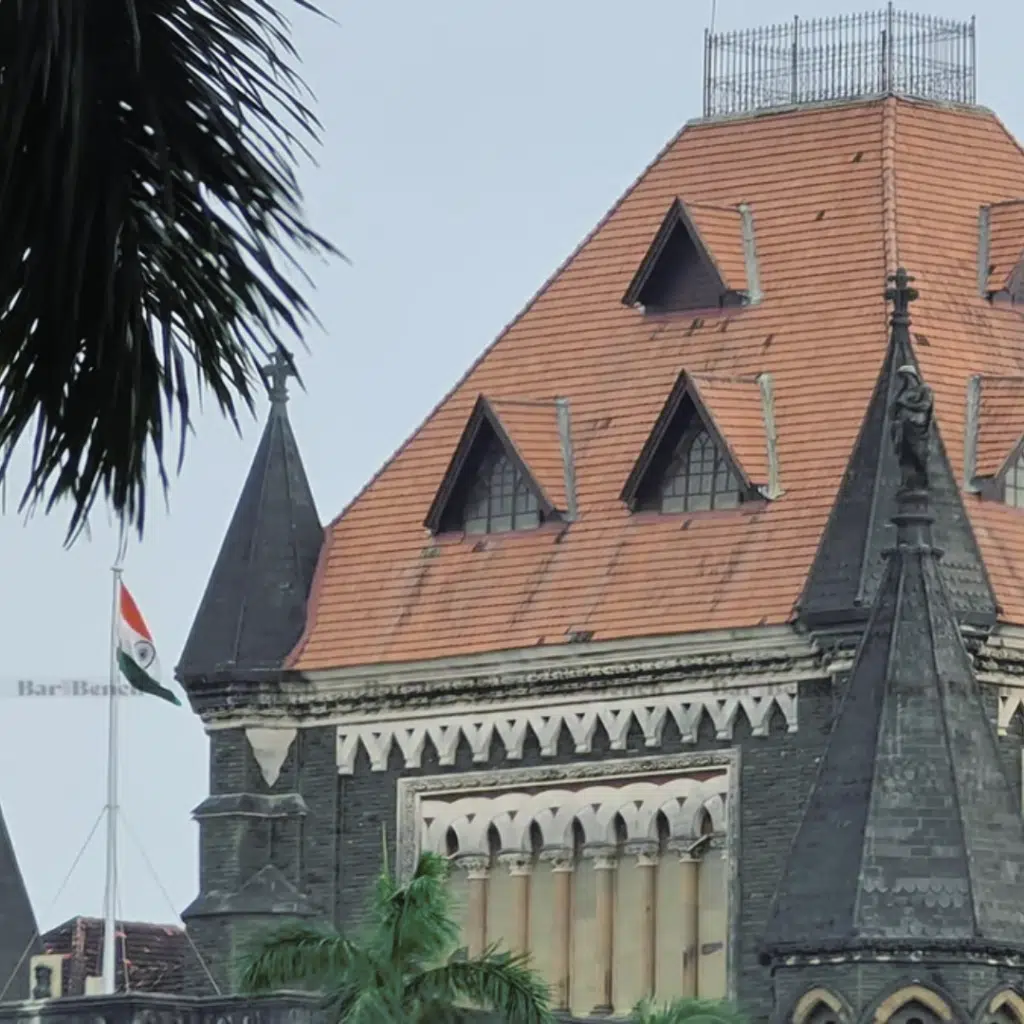
Bombay High Court Quashes FIR in Matrimonial Dispute, Citing Misuse of Legal Provisions
Table of Contents
In a significant judgment, the Bombay High Court has quashed a case of cruelty filed under Section 498A of the Indian Penal Code (IPC) by a judicial officer against her husband and his family members. The division bench, comprising Justices AS Chandurkar and Jitendra Jain, delivered the verdict on February 9, marking a notable instance where the court intervened to prevent what it perceived as an abuse of legal processes in the context of matrimonial disputes.
The case originated from a complaint by a judicial officer in Maharashtra, who alleged that her husband and his family members had subjected her to cruelty and had interfered with her duties as a judge. According to her complaint, her husband, whom she met through a matrimonial site and married in February 2018, refused to maintain a conjugal relationship and engaged in various disputes. She further claimed that during a pending divorce petition, her husband and his brother forcibly entered her judicial chambers, threatening her to consent to a mutual divorce. This incident, she argued, hindered her ability to perform her judicial duties on that day.
However, upon reviewing the details of the case, the High Court found no substantial evidence supporting the claims of obstruction in her official duties. It noted that the alleged interference by her husband and his relatives did not prevent her from discharging her judicial responsibilities. The court emphasized that the entry of the relatives into the chambers did not constitute an obstruction, as the judicial officer had voluntarily left the court to meet them, indicating a lack of coercion or intimidation.
This led the court to conclude that the differences and conflicts between the complainant and her in-laws, including her husband, did not constitute an offense under Section 498A of the IPC, which pertains to marital cruelty. The bench remarked that the FIR seemed to have been lodged more as a retaliatory measure amidst the matrimonial discord rather than a genuine case of legal infringement.
The High Court’s decision to quash the FIR underscores the judiciary’s cautious approach towards cases that may involve the misuse of legal provisions meant to protect individuals from genuine harm. It reflects a broader legal perspective that recognizes the complexities of matrimonial disputes and the potential for such disputes to lead to unwarranted legal actions.
This ruling is particularly noteworthy as it addresses the delicate balance between safeguarding individual rights and preventing the exploitation of legal systems for personal vendettas. It serves as a reminder of the legal principle that the law should not be used as a tool for personal retaliation, especially in sensitive areas such as matrimonial relations.
Conclusion
The Bombay High Court’s decision in this case highlights the importance of judicial scrutiny in matters of matrimonial disputes that lead to legal actions. It emphasizes the need for evidence-based adjudication and the avoidance of legal processes’ misuse, reinforcing the legal system’s role in delivering justice while preventing its exploitation.
FAQs:
- What is Section 498A of the IPC?
- What led the Bombay High Court to quash the FIR in this case?
- How does the court determine misuse of legal provisions in matrimonial disputes?
- What implications does this judgment have for future matrimonial dispute cases?
- Can the judgment be seen as setting a precedent for similar cases?
Barelaw, an online platform dedicated to delivering comprehensive legal knowledge, proudly presents its exclusive category of case briefs. This section is meticulously crafted to offer insightful analyses of landmark judgments, providing a valuable resource for legal professionals, students, and anyone interested in understanding the intricacies of law. Our case briefs delve deep into pivotal court decisions, exploring the rationale behind each judgment and its impact on the legal landscape.
We understand that navigating the complexities of legal judgments can be challenging. That’s why our case briefs are designed to be both informative and accessible, ensuring that readers gain a clear understanding of the key legal principles involved. Each brief includes a summary of the facts, the legal issue at hand, the court’s reasoning, and the ultimate decision. This structured approach makes it easier for our audience to grasp the nuances of each case.
Our website is a treasure trove of legal wisdom, constantly updated with the latest and most significant cases. Whether you’re a law student seeking to enhance your knowledge, a practicing attorney looking for a quick reference, or simply a curious mind eager to understand the law’s evolution, Barelaw is your go-to destination.
Explore our case briefs and immerse yourself in the world of law. Visit our website now and discover the wealth of legal knowledge at your fingertips. The link is provided below for your convenience and direct access to our expansive legal database
You can access more legal drafts here – https://www.barelaw.in/legal-drafts/