[Introduction]
Bangladesh’s political landscape is witnessing escalating tensions as the Bangladesh Nationalist Party (BNP) reaffirms its commitment to antigovernment protests and plans to boycott the forthcoming January elections. This development signals a deepening crisis in the country’s democratic process, exacerbated by actions from the ruling Awami League party.
[BNP’s Stance]
Senior Joint Secretary General of the BNP, Ruhul Kabir Rizvi, in a statement to Al Jazeera, declared the party’s decision to abstain from the upcoming elections unless Prime Minister Sheikh Hasina resigns and a neutral caretaker government is established. Rizvi referenced the late 1980s political scenario under former President Hussain Mohammed Ershad’s rule, emphasizing the importance of aligning with public sentiment over participating in elections perceived as unfair.
[BNP’s Struggle and Leadership’s Plight]
Rizvi, who has faced multiple arrests under Hasina’s tenure, highlighted the challenges confronting the BNP, with many of its senior leaders either imprisoned or in exile. This situation underscores the party’s relentless fight against what they perceive as autocratic governance.
[Nature of Protests]
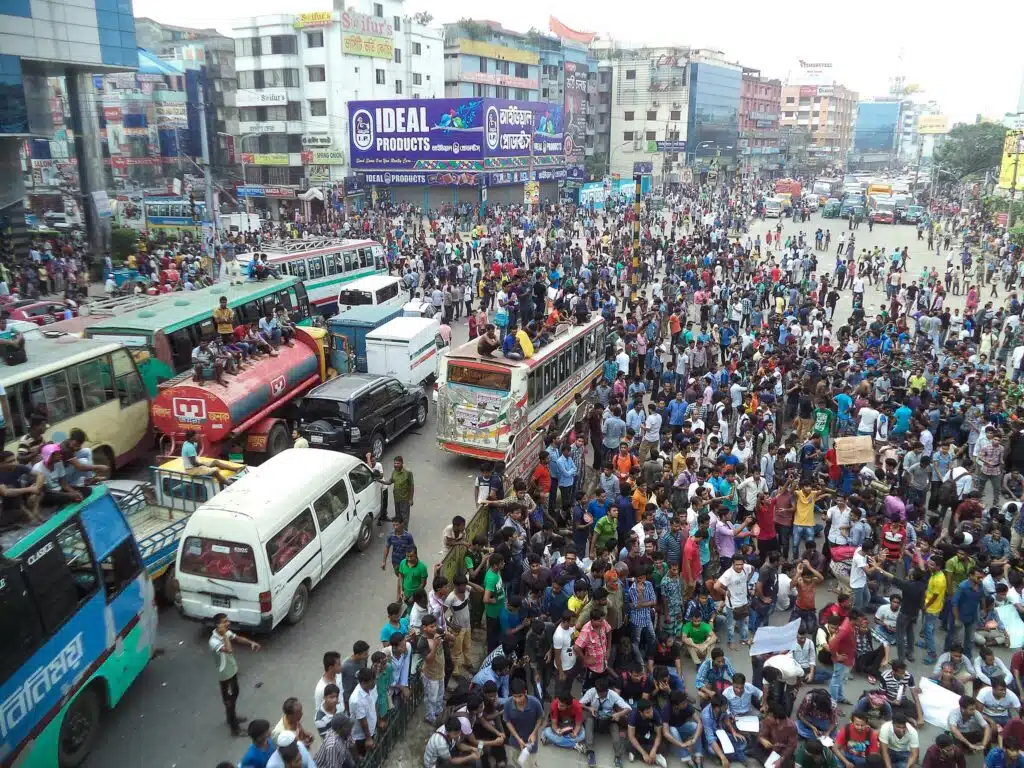
Speaking with Reuters, Abdul Moyeen Khan of the BNP clarified the nature of their protests as peaceful and democratic, aimed at restoring fundamental voting rights in Bangladesh. Despite a government crackdown, the BNP remains resolute in its cause.
[International Concerns]
Human Rights Watch’s Julia Bleckner voiced concerns over the Bangladeshi government’s approach to the upcoming elections. She accused the government of filling jails with political opponents while outwardly committing to free and fair elections. Bleckner urged international diplomatic partners to take note of the government’s autocratic crackdown, warning it could affect future economic cooperation.
[Conclusion]
The unfolding political drama in Bangladesh is a critical reminder of the fragile balance between government authority and opposition in a democratic setup. The BNP’s decision to boycott the election, rooted in historical precedents and current political realities, poses a significant challenge to the legitimacy of the electoral process. As the nation grapples with these tensions, the eyes of the international community remain fixed on Bangladesh, monitoring the situation for its implications on democracy and human rights.