
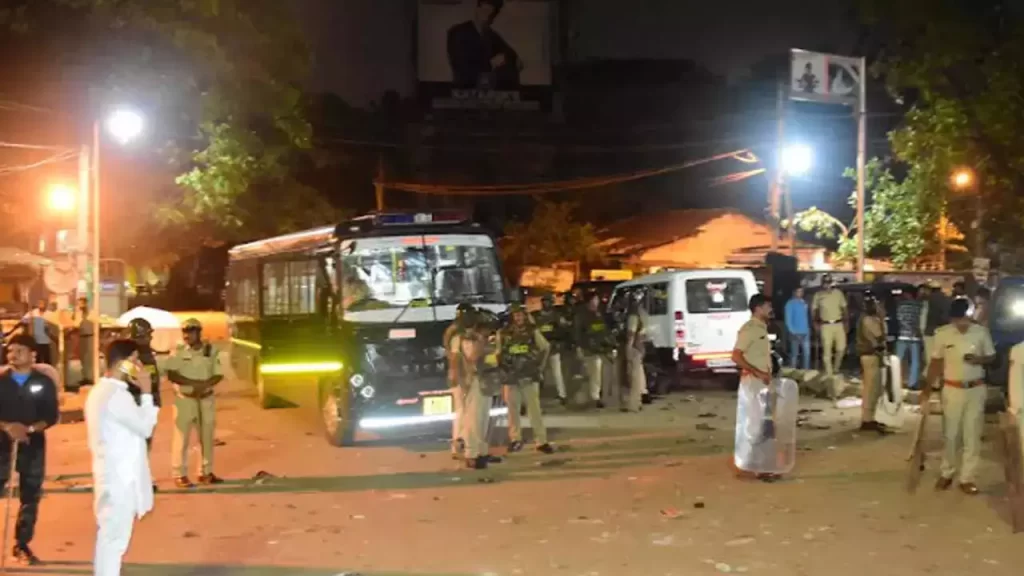
Karnataka Court Grants Bail to Accused in 1992 Hubli Riots Case
In a significant legal development, a Karnataka court granted bail to Srikanth Pujari, an individual implicated in the communal riots of 1992 in Hubli, following the demolition of the Babri Masjid in Ayodhya. This decision, issued by the Additional District and Sessions Judge Parameshwara Prasanna B, marks a new chapter in a case that has lingered in the Indian judicial system for over three decades.
Srikanth Pujari, arrested by the Hubli city police, has been in judicial custody since December 29, 2023. The riots, a direct fallout of the Babri Masjid demolition, saw heightened communal tension, with Pujari and others accused of forming an unlawful assembly and causing substantial property damage. The complainant, belonging to the Muslim community, alleged a loss of ₹1,85,000 due to the actions of the accused, including Pujari.
The charges against Pujari and his co-accused fall under various provisions of the Indian Penal Code (IPC), reflecting the serious nature of the accusations. Additionally, Pujari is alleged to have a history of criminal activity, with 13 cases registered against him in various Hubli police stations and three more under Section 107 of the Code of Criminal Procedure.
Despite these allegations, Pujari’s counsel argued for his innocence, contending that there is no concrete evidence linking him to the crime. Highlighting his prolonged period in custody since December 2023 without further need for investigation or interrogation, the defense made a strong case for granting bail.
In its decision, the Court, while acknowledging the complexity of the case, found no compelling grounds to deny bail. The judge, careful not to express any opinion on the merits of the case, set the bail at ₹1,00,000, emphasizing the importance of judicial balance and the right to fair trial.
This ruling comes against the backdrop of India’s ongoing struggle with communal violence and its legal ramifications. The Hubli riots case, like many others, underscores the challenges faced by the Indian judiciary in balancing the need for justice in cases of communal violence with the rights of the accused to a fair legal process.
The decision to grant bail to Srikanth Pujari is bound to elicit varied reactions, reflecting the deeply polarized views on cases of communal violence in India. While some see it as a step towards upholding the principles of justice and fair trial, others may view it with skepticism, given the sensitive nature of the case and the historical context of the 1992 riots.
As the case progresses, it will continue to be a focal point of discussions on legal ethics, communal harmony, and the efficacy of the Indian judicial system in dealing with cases of sensitive and communal nature. The decision also highlights the ongoing legal journey of individuals involved in cases that have shaped India’s communal and political landscape.