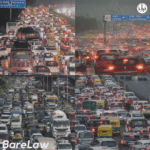

This article addresses recent global military escalations and how residents in major Indian cities, such as Delhi, could prepare for the possibility of an airstrike alert.
Airstrike In Delhi: What you Can Do
Due to current tensions worldwide and the chances of aggravation of military conflicts, residents of large megalopolises such as Delhi or other Tier A cities in India may wonder what will happen if the government informs them they are preparing an airstrike. This paper provides an understanding of the probable reaction that would be expected, measures concerning risk to life and property, legal repercussions, probable results, and government and military intervention in such a situation.
1. What Would Happen if an Airstrike Were Announced?
If the Indian government declared to the people that an airstrike from a neighbouring or an adverse country was expected, alarms would most probably be raised. Civilian alarms such as television, radio, social media and mobile notifications from the local and national authorities would also be sounded. This communication will be to educate citizens on the first measures to take for protection. Transportation systems like trains, buses, etc., may be stopped temporarily. At the same time, the medical, emergency services and utilities work at a higher readiness level to ensure public security and quickly handle post-event scenes.
2. Expected Government Preparations
To mitigate risk and ensure safety, the government would coordinate a range of preparatory actions:
- Air Defense Systems Activation: Air defence would be at its operational peak, coupled with other air efforts to repel the advancing threat. His plan might mean placing the missiles and missile defences wherever they are most useful, like around major facilities and cities.
- Public Shelter Readiness: Power would establish or designate temporary safe zones, such as basements, schools, or metro stations as temporary safety zones. Residents would be informed of the nearest available shelter and the best way they have to flee.
- Resource Distribution: Personal belongings, Food Kits, Water, Medical kits, and other necessary articles may be stocked at shelters or other open community places so that if movement is restricted, people should not suffer from basic necessities.
- Traffic Control and Evacuation Routes: Streets would be opened up for these emergency vehicles, and perhaps specific escape corridors would be provided for people who live in zones that can pose a threat.
3. Protecting Family and Assets
To ensure safety during such a high-alert period, individuals can take several steps to protect their loved ones and assets:
- Family Safety: Official information must be followed, specific rules should be obeyed, and necessary supplies (water, canned goods, first-aid kits, flashlights, radios, etc.) must be available at home or nearby. For families with kids or elderly persons, pack medicines and other essential care products together in advance.
- Asset Security: Although protecting human life is very important, protecting valuables can be made by keeping sensitive documents (IDs, property documents, insurance documents, etc.) in a waterproof, fireproof safe. These documents can also be backed up in other cloud-related services for even more security.
- Insurance: If you have not done so, it is always recommended that you securely any items that belong to you, like your home and other property. Most insurance policies account for loss that results from wartime occurrences and, therefore, should review the policy details or seek advice from an insurance agent.
4. Legal Considerations
- Compensation for Damages: The government has measures for giving out relief funds or paying for losses in the event of major threats to national security. People can be eligible for some payments or reimbursement received from disaster or war relief programs.
- Civil Rights and Restrictions: During war or a national emergency, certain rights may be limited to maintain public peace. The government may use curfews, limit mobility in certain parts of the population, and lockdowns. All such measures would be delocalised by other laws like the Disaster Management Act or certain emergent powers vested to enhance order.
5. Expected Outcomes in a Conflict Scenario
The consequences of an airstrike alert could range from heightened security and temporary disruption of public services to more extensive economic and societal impacts if an attack were to occur:
- Economic Impact: Image 3 shows that national and local economies may experience distortions in trade, supply chain, and services should the alert period prolong or should major infrastructural structures be affected.
- Psychological Effects: Lack of courage and confusion, leading to negative emotions embraced by people, could lead to panic buying or anxiety. Professional psychological services and hotlines accessible from the government may sometimes be provided to assist people in managing such stressors.
- Global Relations: An international conflict would most likely affect diplomatic relations. India would engage in diplomatic means to avoid escalation and, possibly, get support from world partners in protecting civilians and recovering after a conflict.
6. Government and Military Support
Both the government and the military would play critical roles in protecting civilians:
- Military: The Indian Armed Forces would be the first line of defence, preventing any threat, safeguarding the aerial space and checking that establishments of strategic capital cities and military complexes are safe. They can also collaborate with authorities to ensure public safety and law enforcement and to help with emergencies.
- Government Agencies: The Centre would activate the National Disaster Response Force (NDRF), while the District administration would evacuate people, manage the shelters, and arrange for health care services during the crisis. The Children’s Ministry of Defence and Home Affairs would take charge of such information and disseminate information regarding safety measures to the people.
- Public Support Services: Civilian requirements shall be met without disrupting the supply and demand of medical services, food, helplines and similar helplines. Further, partnerships with NGOs and other organizations may contribute to unfolding the necessary relief actions, especially in threatened regions.
Conclusion
Hearing the airstrikes alert in India and knowing these preventive measures and legal frameworks is crucial, especially for the citizens of the Tier A Indian city – Delhi. Kith and kin are safe through information, having prepared emergency items, and compliance with government guidelines. On the other hand, the combination of government and military would be geared toward attaining the stability and security of the nation.
FAQ
1. What would happen if the government announces an airstrike alert?
The government would immediately activate emergency protocols to ensure public safety. Information would be disseminated across TV, radio, and social media, instructing citizens on safety measures. Traffic and public transportation might be halted temporarily, and key emergency services would operate at heightened readiness.
2. How would the government prepare to protect citizens?
Authorities would deploy air defences, set up public shelters, and distribute emergency supplies. Designated evacuation routes and controlled movement zones would help manage crowd flow and ensure safety.
3. What steps can I take to protect my family and my assets?
To protect your family, stay informed and follow official guidelines. Stock essential items like water, food, and first-aid supplies. Secure valuables and important documents in a safe, waterproof location, and consider insurance coverage that includes war-related events.
4. Are there any legal protections or compensations for damages?
Yes, citizens may be entitled to relief funds or compensation under government disaster and war-relief schemes. However, certain civil liberties may be restricted during a national emergency to maintain order and security.
5. What outcomes can I expect in a conflict scenario?
There may be temporary economic disruptions, psychological effects, and restrictions on movement. The government would coordinate with global allies for additional support and diplomatic efforts to reduce escalation.
6. How would the government and military assist during an airstrike alert?
The military would secure airspace, protect key infrastructure, and support emergency response. Government agencies, including the National Disaster Response Force (NDRF), would assist with evacuation, sheltering, and medical care. Public support services and hotlines would help with psychological assistance and essential supplies.